

Why cannabutter is the foundation
Cannabutter serves as the primary building block for cannabis cooking because it bridges the gap between raw plant material and edible effects. The active compounds in cannabis, including THC and CBD, are fat-soluble molecules. This chemical property means they do not dissolve in water or alcohol, but bind readily to lipids. Without a fat carrier like butter, oil, or coconut oil, the body cannot effectively absorb these cannabinoids when consumed.
This solubility requirement dictates the entire process of infusion. When you decarboxylate cannabis and then simmer it in butter, the heat helps break down the plant structure, allowing the cannabinoids to migrate into the fat matrix. Once infused, the butter becomes a versatile ingredient that can replace regular butter in any standard recipe. This makes it the most practical starting point for beginners who want to bake cookies, brownies, or sauté vegetables without altering the fundamental chemistry of the dish.
Decarboxylate your cannabis first
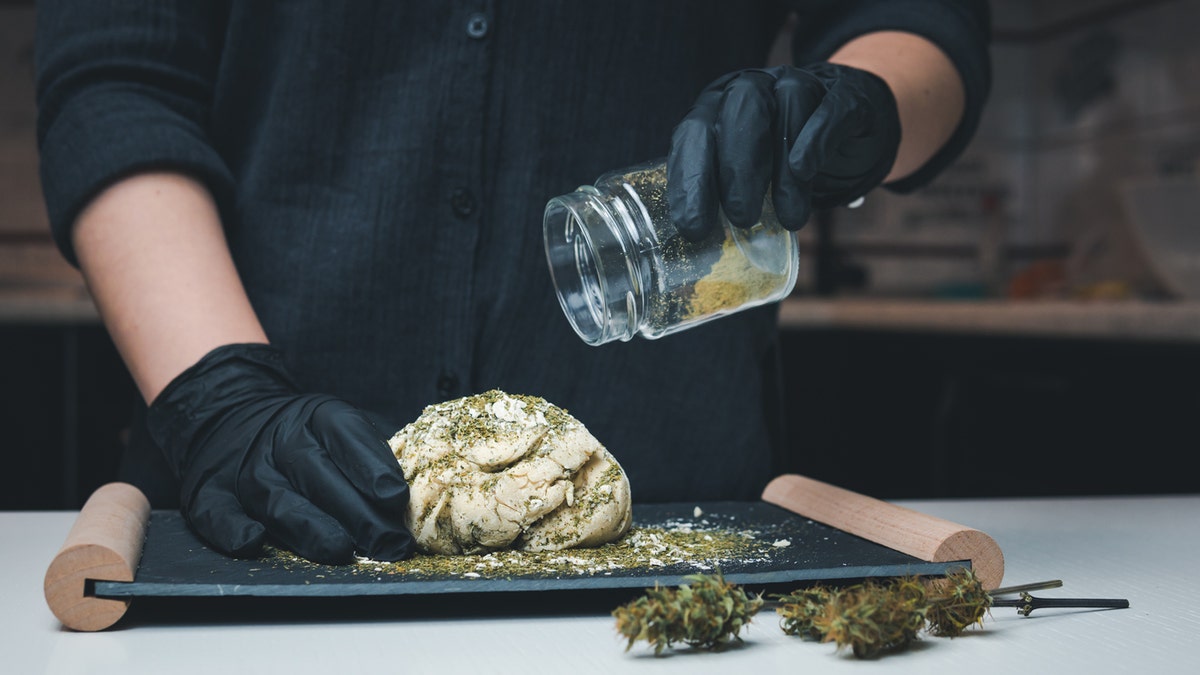
Decarboxylation is the critical first step in cannabis cooking. Raw cannabis contains THCA, which is not psychoactive. Heating the plant material converts THCA into THC, activating the compounds so they can be absorbed by your body when eaten.
Skipping this step results in edibles that have little to no effect. Proper decarboxylation ensures your cannabutter is potent and effective.
Infuse butter with low and slow heat
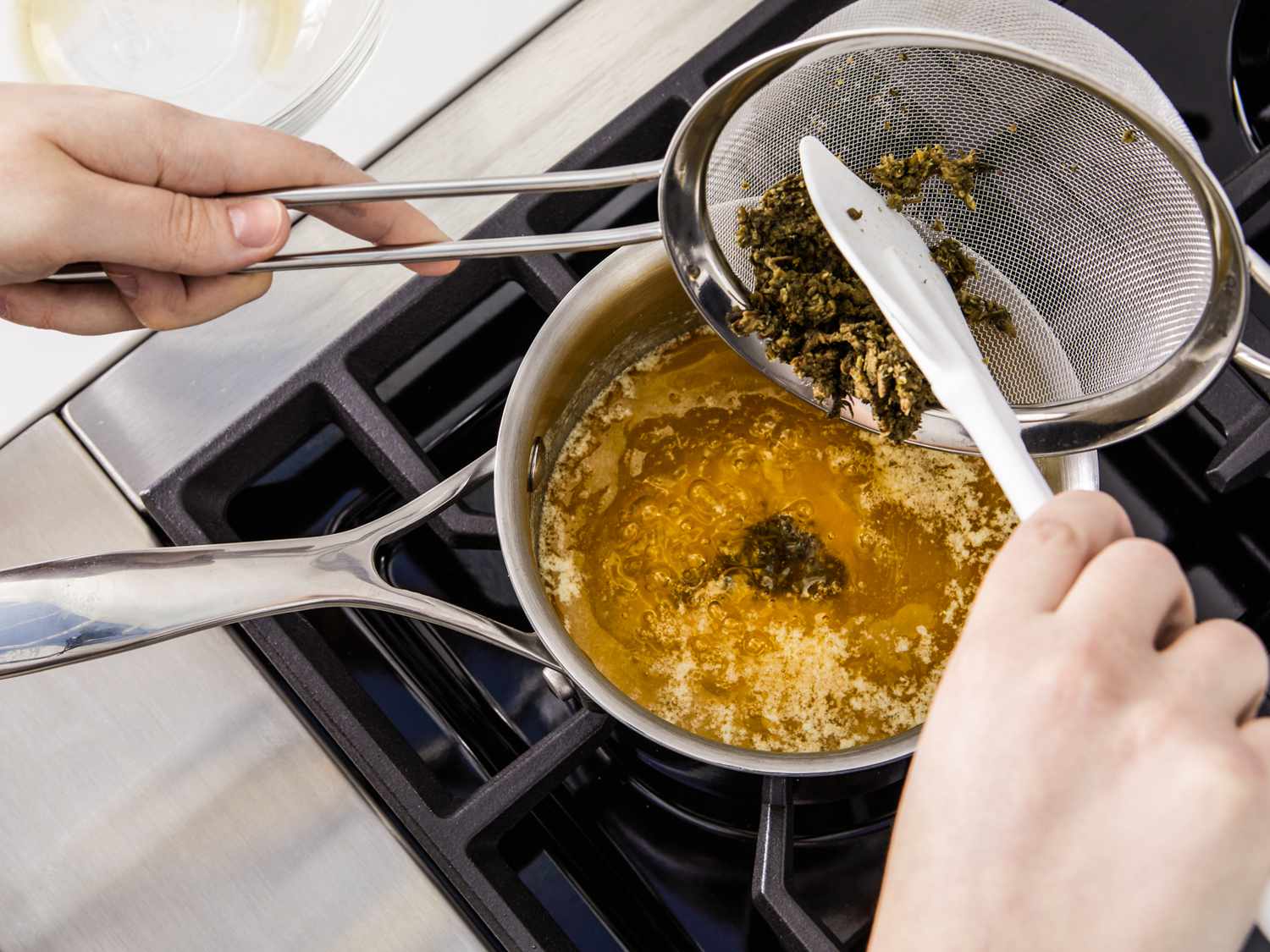
The success of any cannabis cooking recipe hinges on how you handle the infusion phase. You need to transfer the cannabinoids from the plant matter into the fat without degrading them. High heat destroys THC and CBD, turning your potent ingredient into useless plant material. The goal is to keep the temperature low enough to preserve potency while hot enough to melt the fat and allow the compounds to bind.
Think of this process like brewing tea. If you boil the leaves, the flavor becomes bitter and the beneficial properties break down. If you keep the water too cool, nothing infuses. You are looking for a gentle, steady simmer that allows the cannabinoids to dissolve into the butter molecules over time.
Temperature control is the most critical variable here. If you do not have a thermometer, use the "finger test": if you can keep your finger in the liquid for a few seconds without burning, it is likely too hot for safe infusion. You want the liquid to be warm to the touch, not hot. A double boiler is the safest tool for this job, as it uses steam heat rather than direct contact with the burner, making it nearly impossible to overheat the butter.
During the three-hour window, the kitchen will smell strongly of cannabis. This is normal, but if you are concerned about odor, consider using a slow cooker on the "warm" or lowest setting. This method provides even gentler heat and is less likely to scorch the butter. Once the infusion is complete, the resulting butter should have a vibrant green color and a distinct earthy aroma. Strain it thoroughly to remove any plant debris, which can make your final dishes gritty or bitter.
Calculate dosage and portion size
Safety and consistency are the two pillars of successful cannabis cooking. Without a clear understanding of potency, even a perfectly executed recipe can lead to an unpleasant experience. The goal is not just to infuse butter, but to distribute that infusion evenly so every bite delivers a predictable effect. This requires treating your ingredients with the precision of a chemist rather than just a home cook.
The most critical factor in this calculation is the total THC content of your starting material. Different strains and batches vary significantly in potency, often ranging from 10% to 30% THC by weight. If you assume a standard potency without testing, you risk creating edibles that are far stronger or weaker than intended. For beginners, starting with a low dose is the safest approach. A standard serving size in regulated markets is often 5 to 10 milligrams of THC.
To estimate the potency of your infused butter, you must first determine the total milligrams of THC in your decarboxylated cannabis. Multiply the weight of your dry flower in milligrams by the THC percentage, then by 10 to convert to milligrams. For example, if you use 7 grams (7,000 mg) of cannabis with 20% THC, the total potential THC is 1,400 mg. If your final batch of infused butter yields 100 grams, each gram contains 14 mg of THC.
Once you know the total potency, divide it by the number of servings you plan to make. If you have 1,400 mg of THC in a batch that makes 20 brownies, each brownie contains 70 mg of THC—a dose far too high for a novice. Adjust your recipe volume or use less infused butter to hit your target dose of 5-10 mg per serving. This mathematical approach ensures that your cannabis cooking results are safe, enjoyable, and repeatable.
-
Start with a low dose (5-10mg THC) if you are new to edibles.
-
Calculate total THC based on the weight and percentage of your starting flower.
-
Divide total THC by the number of servings to find potency per portion.
-
Label all containers clearly with contents, date, and estimated potency.
-
Store infused butter in airtight containers away from light and heat.
Common mistakes in cannabis cooking
Even experienced cooks can ruin a batch of infused butter if they skip foundational steps. The most frequent error is skipping decarboxylation. Raw cannabis contains THCA, which is not psychoactive. You must heat the plant material to convert THCA into THC before infusion. Without this step, your cannabis cooking efforts will result in flavor without the intended effect. Oven decarboxylation is the simplest method, requiring lightly ground cannabis heated at a low temperature for about 40 minutes.
Another critical mistake is burning the butter or the cannabis during the infusion process. High heat degrades THC and creates a harsh, bitter taste. Always use low, indirect heat when simmering butter or oil. If you are using a stovetop, keep the flame on the lowest setting and stir frequently. A double boiler provides the most control, ensuring the temperature never exceeds the smoke point of your fat.
Finally, many beginners fail to strain the mixture properly. Leaving plant matter in the final butter can make it gritty and introduce unwanted chlorophyll flavors. Use a fine-mesh strainer lined with cheesecloth to filter the infused butter. This step ensures a smooth texture and a cleaner taste, making your cannabis cooking results much more enjoyable.
Frequently asked questions about edibles
Understanding how infused butter behaves helps you manage expectations and keep your cannabis cooking projects safe. Here are the most common questions about onset, storage, and ingredient swaps.
No comments yet. Be the first to share your thoughts!