
Cannabis Laws 2024: The Current Legal Landscape
The cannabis legal landscape in the United States has undergone dramatic transformation over the past decade, and 2024 marked another pivotal year in the ongoing evolution of marijuana laws. As we examine the current state of cannabis legislation, it's essential to understand that we're operating within a complex patchwork of federal prohibition alongside varying degrees of state-level legalization.
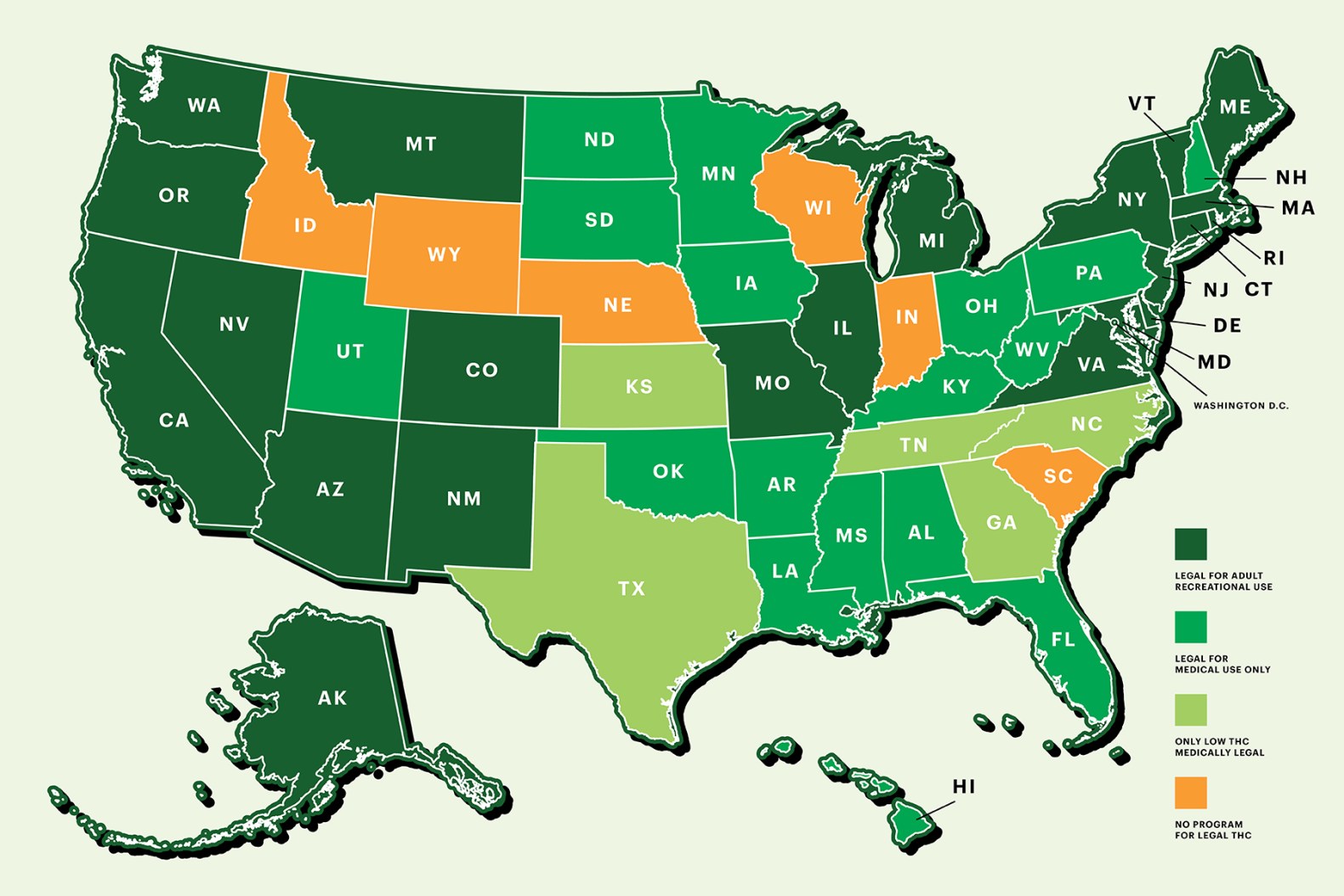
Currently, 24 states plus the District of Columbia have legalized cannabis for recreational adult use, while 38 states have established comprehensive medical marijuana programs. This represents a significant shift from just a decade ago when only a handful of states had embraced cannabis reform. The momentum continues to build, though not without setbacks, as evidenced by Florida's failed Amendment 3 in November 2024.
Cannabis Legal Status by State - 2024 Update
| State | Recreational Status | Medical Status | Possession Limit (Recreational) | Key 2024 Changes |
|---|---|---|---|---|
| California | Legal since 2016 | Legal since 1996 | 1 oz flower, 8g concentrate | Enhanced social equity programs, delivery expansion |
| Florida | Prohibited | Legal since 2016 | N/A | Amendment 3 failed in November 2024 (57% yes, needed 60%) |
| Texas | Prohibited | Limited (low-THC only) | N/A | Expanded low-THC program for additional qualifying conditions |
| New York | Legal since 2021 | Legal since 2014 | 3 oz flower, 24g concentrate | Retail dispensary expansion, home cultivation allowed |
| Ohio | Legal since 2023 | Legal since 2016 | 2.5 oz flower, 15g concentrate | First year of recreational sales, dispensary licensing ongoing |
| Pennsylvania | Prohibited | Legal since 2016 | N/A | Legislative discussions continue, no ballot measure in 2024 |
| Minnesota | Legal since 2023 | Legal since 2014 | 2 oz flower, 8g concentrate | Retail market development, social equity implementation |
| Idaho | Prohibited | Prohibited | N/A | Maintained strict prohibition, no legislative movement in 2024 |
Understanding cannabis laws requires navigating three distinct categories: recreational legalization, medical marijuana programs, and states maintaining prohibition. Recreational states allow adults 21 and older to possess, use, and often cultivate cannabis for personal use, typically with specific quantity limits and regulated retail systems. Medical marijuana states permit cannabis use for qualifying patients with doctor recommendations, though the list of qualifying conditions and program structures vary significantly between jurisdictions.
The federal landscape remains unchanged, with cannabis classified as a Schedule I substance under the Controlled Substances Act. This creates an ongoing tension between state and federal law, though federal enforcement priorities have largely shifted away from state-compliant operations. The Biden administration has maintained a hands-off approach to state-legal cannabis programs while pursuing modest federal reforms.
Recent legislative trends show both progress and resistance. Progressive states continue expanding access and refining regulations, while conservative states maintain strict prohibition or limited medical programs. The 2024 election cycle brought mixed results, with some states advancing reform measures while others, like Florida, saw initiatives fail to meet voter approval thresholds.
Key factors driving continued legalization include growing public support, with national polls consistently showing majority approval for cannabis legalization, substantial tax revenue generation in legal states, and criminal justice reform priorities. Opposition typically centers on public health concerns, implementation challenges, and cultural resistance in more conservative regions.
Public Support for Cannabis Legalization: 2010-2024 Polling Trends
For consumers, businesses, and advocates, staying current with cannabis laws is crucial due to their rapidly changing nature. What's legal in one state may result in serious criminal penalties just across state lines. Interstate commerce remains federally prohibited, creating complex compliance challenges for multi-state operators and travelers.
The economic impact of legalization has been substantial, with legal cannabis sales reaching billions annually and creating thousands of jobs across cultivation, manufacturing, retail, and ancillary services. Tax revenue has funded various state programs, from education to social equity initiatives aimed at addressing past cannabis prohibition harms.
Looking ahead, several factors will shape the cannabis legal landscape. Federal legislation remains a possibility, though comprehensive reform faces political obstacles. State-level initiatives continue advancing, with several states likely to consider legalization measures in upcoming election cycles. Regulatory maturation in existing legal states provides models for newer programs while highlighting implementation challenges.
Social equity has emerged as a critical component of modern cannabis legalization, with states increasingly incorporating provisions to ensure communities disproportionately impacted by prohibition benefit from legal markets. These programs typically include licensing preferences, reduced fees, and expungement procedures for past cannabis convictions.
This comprehensive guide will examine each state's current laws, recent changes, and anticipated developments. Whether you're a consumer seeking to understand local regulations, a business evaluating expansion opportunities, or simply curious about the evolving legal landscape, understanding the nuances of cannabis laws across all 50 states is essential in today's complex regulatory environment.
State-by-State Breakdown: Where Cannabis is Legal in 2024
Understanding cannabis laws 2024 requires examining each state's unique regulatory framework. The patchwork of legal weed states creates a complex landscape where possession limits, cultivation rights, and retail operations vary dramatically across state lines. This comprehensive breakdown examines current marijuana legalization status and cannabis regulations in every jurisdiction.
Cannabis Legal Status by State - 2024 Update
| State | Legal Status | Recreational Launch Date | Medical Program | Home Cultivation Allowed |
|---|---|---|---|---|
| California | Recreational & Medical | January 1, 2018 | Yes (1996) | Yes (6 plants) |
| Colorado | Recreational & Medical | January 1, 2014 | Yes (2000) | Yes (6 plants) |
| New York | Recreational & Medical | December 29, 2022 | Yes (2014) | Yes (6 plants) |
| Florida | Medical Only | Not Legal | Yes (2016) | No |
| Texas | Limited Medical | Not Legal | Limited CBD only | No |
| Idaho | Prohibited | Not Legal | No | No |
| Washington | Recreational & Medical | July 8, 2014 | Yes (1998) | No |
| Ohio | Recreational & Medical | August 6, 2024 | Yes (2016) | Yes (6 plants) |
Recreational Cannabis States: Full Adult-Use Programs
Twenty-four states plus Washington D.C. have implemented comprehensive recreational cannabis programs, representing the most progressive cannabis laws 2024 has to offer. These legal weed states allow adults 21 and older to possess, consume, and often cultivate cannabis for personal use.
Recreational Cannabis Laws by State - 2024 Legal Framework
| State | Possession Limit (Public) | Home Cultivation | Retail Sales Status | Implementation Date |
|---|---|---|---|---|
| Alaska | 1 ounce | 6 plants (3 mature) | Operational | February 24, 2015 |
| California | 1 ounce | 6 plants | Operational | January 1, 2018 |
| Colorado | 1 ounce | 6 plants (3 mature) | Operational | January 1, 2014 |
| New York | 3 ounces | 6 plants (3 mature) | Operational | March 31, 2021 |
| Illinois | 1 ounce | 5 plants | Operational | January 1, 2020 |
| Michigan | 2.5 ounces | 12 plants | Operational | December 6, 2018 |
| Washington | 1 ounce | Not permitted | Operational | July 8, 2014 |
| Oregon | 1 ounce | 4 plants | Operational | July 1, 2015 |
The variation in weed laws by state within this category is substantial. While Alaska allows adults to possess up to one ounce in public and cultivate six plants at home, New York permits three ounces of flower and prohibits home cultivation until retail markets mature. These differences reflect each state's approach to balancing public safety concerns with personal freedom.
Medical Cannabis Programs: Therapeutic Access Frameworks
Medical marijuana programs operate in 38 states, showcasing the widespread acceptance of cannabis as legitimate medicine. These cannabis regulations typically require patient registration, physician recommendations, and compliance with specific qualifying conditions.
Most Common Medical Cannabis Qualifying Conditions Across US States (2024)
The evolution of medical programs demonstrates changing attitudes toward cannabis regulations. States like California pioneered broad medical access in 1996, while more conservative jurisdictions like Georgia initially limited programs to low-THC oils for specific conditions. Recent expansions show increasing acceptance of comprehensive medical cannabis laws.
Prohibition States: Where Cannabis Remains Illegal
Despite nationwide momentum toward marijuana legalization, several states maintain complete prohibition of cannabis for any use. These jurisdictions represent the most restrictive cannabis laws 2024 maintains, with criminal penalties for possession and cultivation.
Idaho, Kansas, and South Carolina stand among the remaining prohibition states, though even these jurisdictions face increasing pressure from advocacy groups and changing public opinion. The contrast between these states and neighboring legal weed states creates unique enforcement challenges and highlights the ongoing federal-state tension in cannabis policy.
Recent Legislative Changes and 2024 Ballot Initiatives
The November 2024 elections brought significant developments in cannabis laws across multiple states. While some initiatives succeeded in expanding access, others faced unexpected defeats that reshaped the marijuana legalization landscape.
Florida's Amendment 3 represented the most watched cannabis ballot measure of 2024. Despite polling showing initial support, the measure failed with 55.9% opposition, demonstrating that marijuana legalization is not inevitable even in states with growing advocacy movements. This outcome influenced cannabis regulations discussions in other conservative-leaning states considering similar measures.
Conversely, states like Delaware and Minnesota continued implementing recreational programs launched in 2023, providing real-world data on how new legal weed states transition from prohibition to regulated markets.
Interstate Commerce and Border Issues
The patchwork nature of cannabis laws 2024 creates complex interstate commerce challenges. Legal weed states cannot legally transport products across state lines due to federal prohibition, forcing each jurisdiction to develop independent supply chains.
Border communities face particular challenges where neighboring states have different weed laws by state. Residents of prohibition states often travel to legal jurisdictions for cannabis access, creating enforcement complications and revenue disparities. These dynamics continue influencing policy discussions in states considering marijuana legalization.
Banking and financial services remain complicated across all legal weed states due to federal restrictions, though some states have developed innovative solutions to support their cannabis industries within existing cannabis regulations frameworks.
Federal Implications and Future Outlook for Cannabis Laws 2024
While individual states continue to shape their own cannabis regulations, federal policy remains the most significant factor influencing the future of legal weed states. The disconnect between state and federal law creates ongoing challenges for businesses, consumers, and law enforcement agencies nationwide.
Federal Banking and Tax Challenges
Cannabis businesses in legal weed states continue to face substantial federal obstacles. The SAFE Banking Act, which would allow banks to serve cannabis companies without federal penalties, has gained bipartisan support but remains stalled in Congress. Currently, most cannabis businesses operate on a cash-only basis, creating security risks and operational inefficiencies.
The 280E tax code provision particularly burdens cannabis operators, preventing them from deducting standard business expenses. This federal tax burden significantly impacts profitability across all legal weed states, regardless of their individual marijuana legalization status.
Timeline of Expected Federal Changes
Industry experts and policy analysts have identified several key milestones that could reshape cannabis laws 2024 and beyond. Understanding this timeline helps stakeholders prepare for potential regulatory shifts.
Interstate Commerce and Market Consolidation
One of the most significant developments in cannabis regulations involves interstate commerce. Currently, each state operates as an isolated market, but federal legalization could enable cross-border cannabis trade. This shift would fundamentally alter the competitive landscape in legal weed states.
Several states have already established interstate commerce compacts, positioning themselves for eventual federal approval. These agreements demonstrate how forward-thinking cannabis regulations can create competitive advantages for early adopters.
Geographic Distribution of Cannabis Laws
The regional patterns of marijuana legalization reveal interesting political and economic trends. Western and northeastern states have generally led adoption, while southeastern states remain largely restrictive.
Public Opinion and Legislative Momentum
Polling data consistently shows growing public support for cannabis legalization across all demographics. This shift in public opinion continues to influence legislative priorities in states considering new cannabis laws 2024.
Compliance Considerations for 2024
As cannabis laws 2024 continue evolving, businesses and consumers must stay informed about changing requirements. Each legal weed state maintains unique compliance frameworks that can change rapidly.
Economic Impact and Tax Revenue
Legal weed states have generated substantial tax revenue, with total collections exceeding expectations in most markets. Colorado, for example, has collected over $600 million annually in recent years, funding education and public health programs.
These revenue streams have become increasingly important for state budgets, creating additional incentive for marijuana legalization in states still considering policy changes.
Common Questions About Cannabis Laws 2024
As cannabis regulations become more complex, consumers and businesses frequently seek clarification on key legal issues.
Looking Ahead: Predictions for 2025-2026
Several trends will likely shape cannabis laws beyond 2024. Federal rescheduling or descheduling remains the most impactful potential change, which could occur through either legislative action or administrative reclassification by the DEA.
Social equity programs will continue expanding as legal weed states address historical injustices from cannabis prohibition. These programs aim to ensure that communities disproportionately affected by criminalization can participate in the legal cannabis economy.
Technology integration will also accelerate, with blockchain tracking systems and digital compliance tools becoming standard across cannabis regulations. These innovations will improve transparency and reduce regulatory burden for compliant operators.
The cannabis industry's maturation in legal weed states provides valuable lessons for emerging markets. As more states consider marijuana legalization, they can learn from both successes and challenges experienced by early adopters, creating more effective cannabis laws 2024 and beyond.
No comments yet. Be the first to share your thoughts!