

🌿 Getting Acquainted with Cannabis Business Laws Across the States
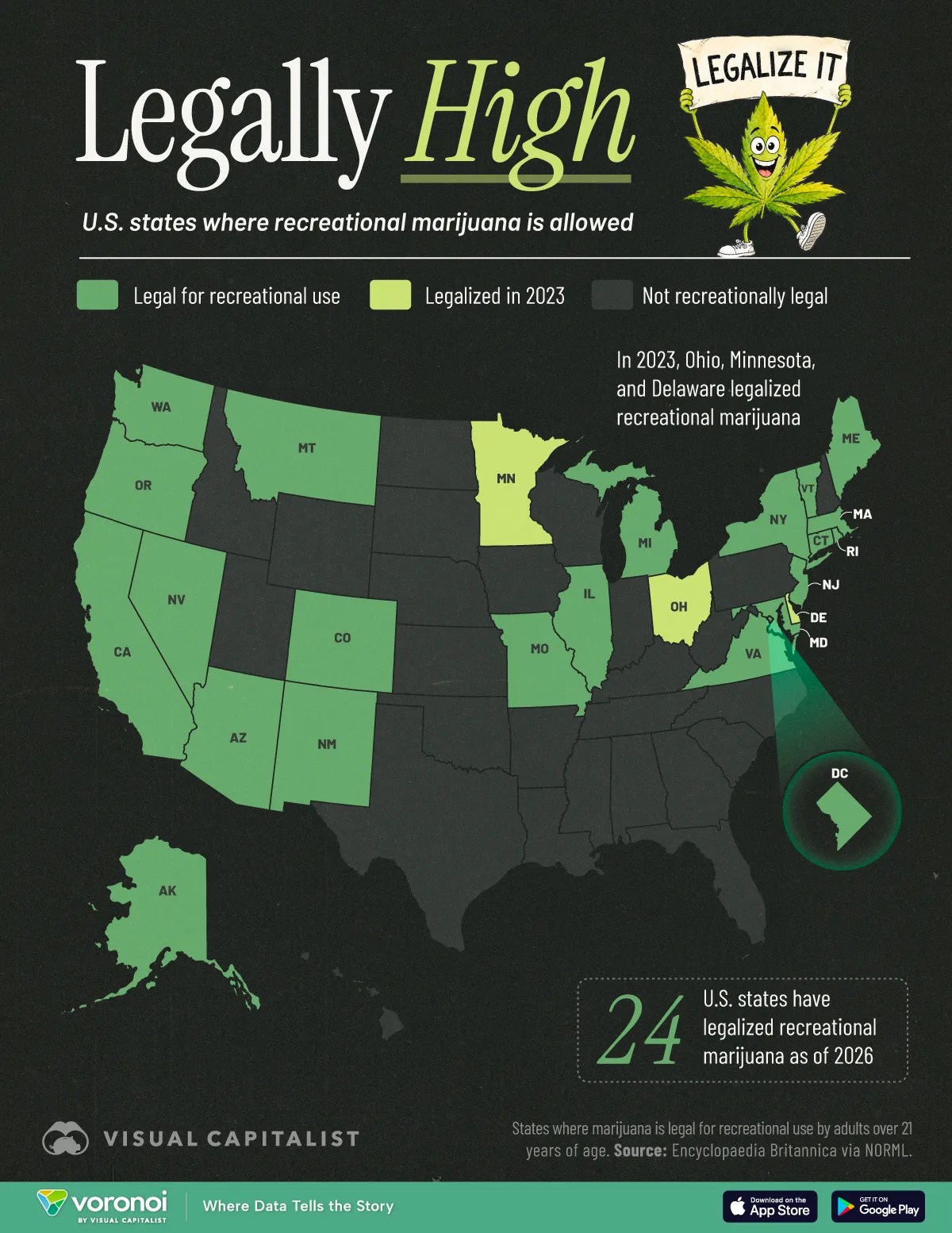
The journey of cannabis from taboo to trade has been a fascinating one, marked by a complex tapestry of regulations that vary from state to state. The emergence of these Cannabis Business Regulations has been as diverse as the strains of the plant itself, each state carving its own path in the green rush. From California's trailblazing legalization to Idaho's staunch prohibition, understanding these State-by-State Cannabis Laws is crucial for any budding entrepreneur.
But what does this regulatory labyrinth mean for businesses? How has the Impact of Cannabis Laws on Business shaped the industry? And how can businesses navigate this ever-evolving landscape? As we delve into this Cannabis Regulations Guide, we'll explore the triumphs and tribulations of the industry, painting a comprehensive picture of the Cannabis Regulatory Impact on Businesses.
Cannabis Laws Decoded: A State-by-State Breakdown 🗺️
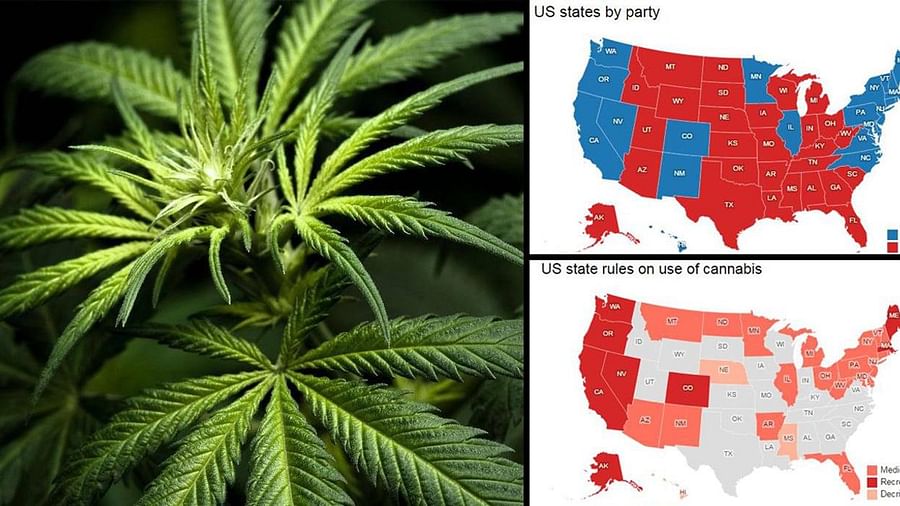
As we delve into the complex tapestry of state-by-state cannabis regulations, it's evident that each state has its unique approach. From the liberal laws of California to the stricter confines of Idaho, the regulatory landscape is as diverse as the strains of cannabis themselves. But what does this mean for those looking to venture into the cannabis business?
In states like Colorado and Washington, where cannabis is fully legal, the process of obtaining a cannabis business license is relatively straightforward. However, in states with more stringent regulations, the path to starting a cannabis business can be labyrinthine. Here are some tips for navigating this terrain.
Furthermore, some states impose caps or restrictions on cannabis businesses, affecting their growth potential. Ever wondered about the factors that determine the profitability of a cannabis product? Regulations play a significant role. Hence, understanding these laws is crucial for any budding cannabis entrepreneur.
State-by-State Overview of Cannabis Regulations
Having discussed the details of cannabis regulations in each state, let's take a look at a comparative table that summarizes the key aspects of these regulations, such as licensing requirements and tax rates.
| State | Legal Status | Licensing Requirements | Tax Rates | Caps or Restrictions |
|---|---|---|---|---|
| California | Recreational & Medical | Application fee, Regulatory fee, Annual license fee | 15% excise tax, cultivation tax on flowers and leaves | No cap on licenses |
| Colorado | Recreational & Medical | Application fee, License fee | 15% excise tax, 15% sales tax | Limits on plant count |
| Washington | Recreational & Medical | Application fee, Annual license fee | 37% excise tax | Cap on total number of retail licenses |
| Oregon | Recreational & Medical | Application fee, License fee | 17% state tax, up to 3% local tax | Limits on canopy size |
| Nevada | Recreational & Medical | Application fee, License fee | 15% excise tax, 10% sales tax | Cap on total number of retail licenses |
| Massachusetts | Recreational & Medical | Application fee, Annual license fee | 10.75% state tax, up to 3% local tax | No cap on licenses |
| Michigan | Recreational & Medical | Application fee, Regulatory assessment | 10% excise tax | No cap on licenses |
| Illinois | Recreational & Medical | Application fee, License fee | 7% gross receipt tax, up to 3.75% local tax | Cap on total number of licenses |
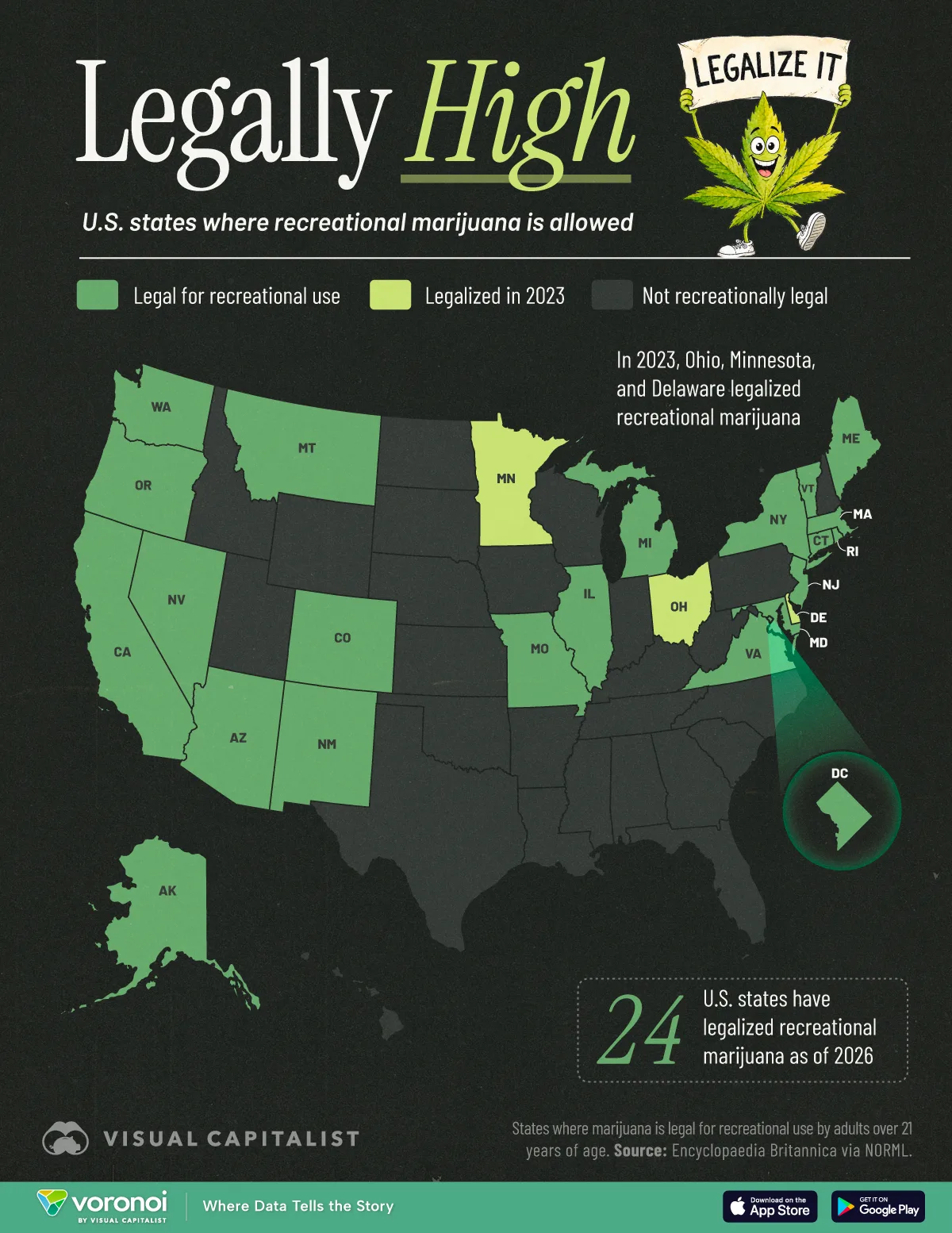
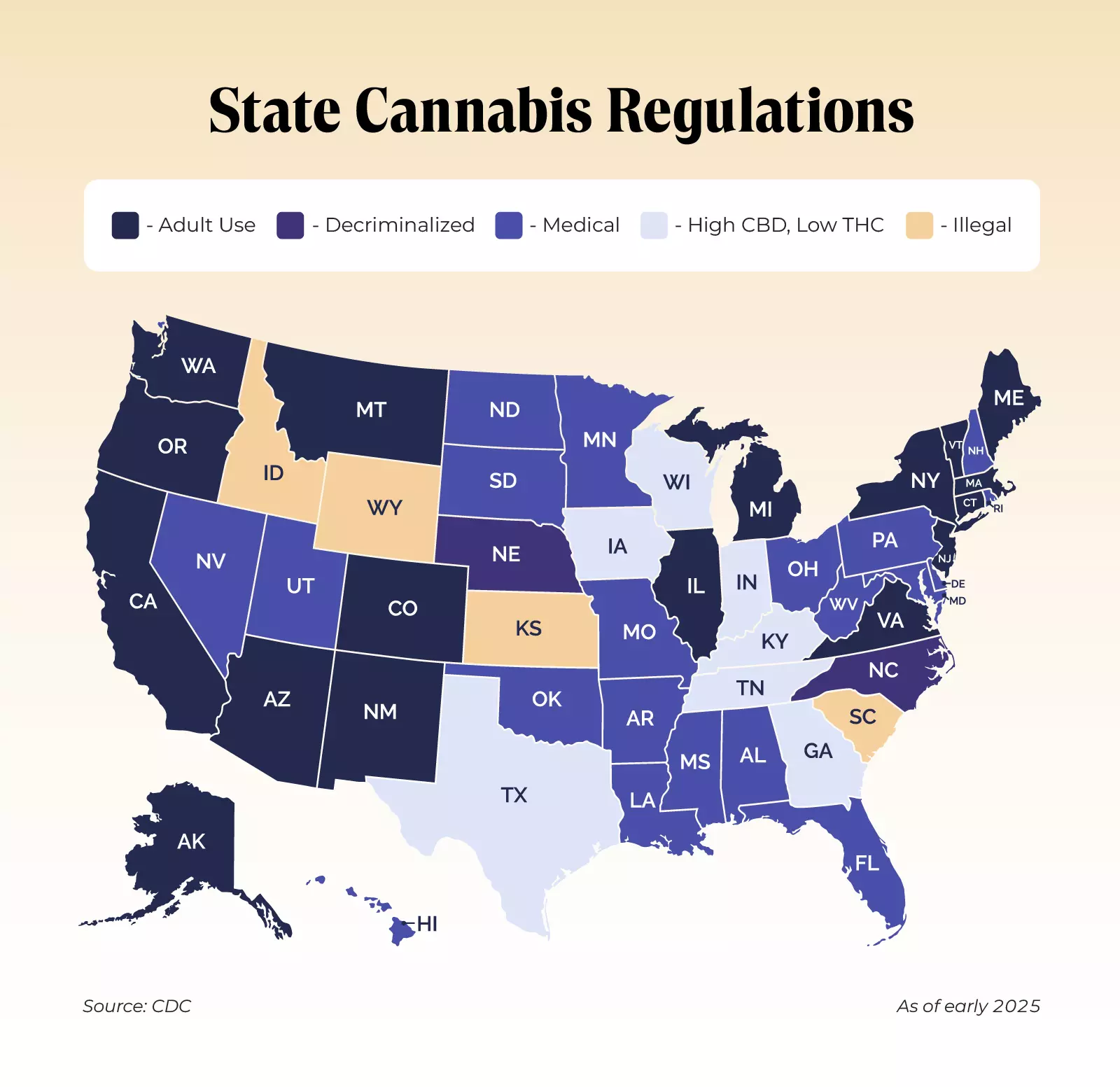
The table provides a quick snapshot of how each state regulates the cannabis industry. Next, we will delve into a graphical representation of states by their cannabis regulatory stringency.
Cannabis Regulatory Stringency: A State-by-State Analysis
The Good, the Bad, and the Cannabis: Regulatory Impact on Businesses 📈📉
Unraveling the tapestry of State-by-State Cannabis Laws can feel like navigating a labyrinth. Yet, these regulations play a pivotal role in shaping the cannabis industry's landscape.
On one hand, stringent regulations can pose a formidable challenge to budding entrepreneurs. The hoops to jump through for a license, the steep taxes, and the rigorous safety standards can make the journey to starting a cannabis business feel like an uphill battle. Is it still possible to enter this industry? Dive into our guide to find out.
Conversely, these regulations aren't just hurdles, they're safeguards too. They ensure consumer safety and maintain industry standards. But is this regulatory tightrope walk doing more harm than good? And what is the Impact of Cannabis Laws on Business? Let's explore.
Understanding the Impact of Cannabis Regulations on Businesses
Test your understanding of the impact of cannabis regulations on businesses in different states with this interactive quiz.
Learn more about 🌿 Understanding the Impact of Cannabis Regulations on Businesses 🌿 or discover other Weed Almighty quizzes.
Real Stories: Triumphs and Trials of Cannabis Businesses Amid Regulations 🏆💔
Let's take a journey through the highs and lows of the cannabis industry, shaped by the unpredictable terrain of Cannabis Business Regulations. Ever wondered how these laws can make or break a business? Well, you're about to find out.
Consider the case of GreenLeaf Inc., a thriving cannabis business in Colorado. Thanks to the state's friendly cannabis laws, GreenLeaf has been able to expand its operations, contributing significantly to Colorado's booming cannabis economy. On the other hand, we have HempCo in Idaho, a business that had to shutter its operations due to the state's stringent cannabis regulations.
These contrasting narratives underscore the Impact of Cannabis Laws on Business. They serve as a reminder that understanding cannabis business laws isn't just about compliance—it's a matter of survival in the industry.
Following are some examples of cannabis businesses that have managed to thrive despite the complex regulatory landscape.
As we can see, businesses like CEND Corp have managed to stay ahead of the curve and continue to grow in the ever-evolving cannabis industry. However, not all businesses have been as lucky.
However, not all cannabis businesses have been able to enjoy such success. Some have even faced closure due to regulatory issues.
The following section will explore the future outlook and predictions for cannabis businesses, taking into account the current regulatory landscape.
What's Next? Predicting the Future of Cannabis Regulations 🎱
Imagine this: it's 2033, a decade from now. The cannabis industry has exploded, with every state having its own unique set of cannabis laws and regulations. What would your state look like in this green new world? Would it be a cannabis paradise, with businesses thriving under lax regulations? Or would it be a tough terrain, with stringent laws making it challenging for cannabis ventures to flourish?
While we don't have a crystal ball, we can certainly make educated guesses by looking at the existing State-by-State Cannabis Laws. Some predict a future where cannabis regulations become standardized, mirroring the patterns we see in the alcohol industry. Others foresee an ongoing patchwork of laws, with the legal status of cannabis continuing to vary dramatically from state to state.
Given this, it's crucial for anyone in the cannabis industry to stay informed and adaptable. After all, understanding the Cannabis Business Regulations isn't just about compliance—it's about finding opportunities, navigating risks, and ultimately, carving out your own place in this budding industry. So, are you ready to dive into this green tide and ride the wave of change? Or will you let the tide sweep you away? The choice, dear reader, is yours.
What's your take on the future of cannabis industry regulations?
As we look towards the future of the cannabis industry, there's a lot of uncertainty about how regulations will evolve. What do you think is the most likely scenario?
Now that we've discussed the potential future of cannabis industry regulations, let's address some common questions about these regulations and their impacts on businesses.
We hope this FAQ section has helped clarify some aspects of cannabis regulations and their impacts on businesses. Remember, the landscape of cannabis regulations is constantly evolving, so it's important to stay informed.
No comments yet. Be the first to share your thoughts!