

Defining the weed almighty standard
The term "Weed Almighty" represents more than just a catchy brand name; it signifies a rigorous standard of connoisseurship that separates premium flower from standard dispensary inventory. In the world of gourmet cannabis, quality is not accidental. It is the result of meticulous cultivation, precise curing, and careful handling that preserves the plant's delicate chemical profile. This standard demands a level of scrutiny that goes far beyond simple potency metrics, focusing instead on the holistic experience of the product.
At the heart of this distinction is the flower itself. Premium cannabis, often referred to as top-shelf or gourmet, is characterized by its dense structure, vibrant color, and abundant trichome coverage. These trichomes are the tiny, crystal-like glands that house the plant's terpenes and cannabinoids. When preserved correctly, they create a frosty appearance and release a complex aromatic profile that standard, poorly cured flower simply cannot match. The difference is visible to the trained eye and distinct to the palate.
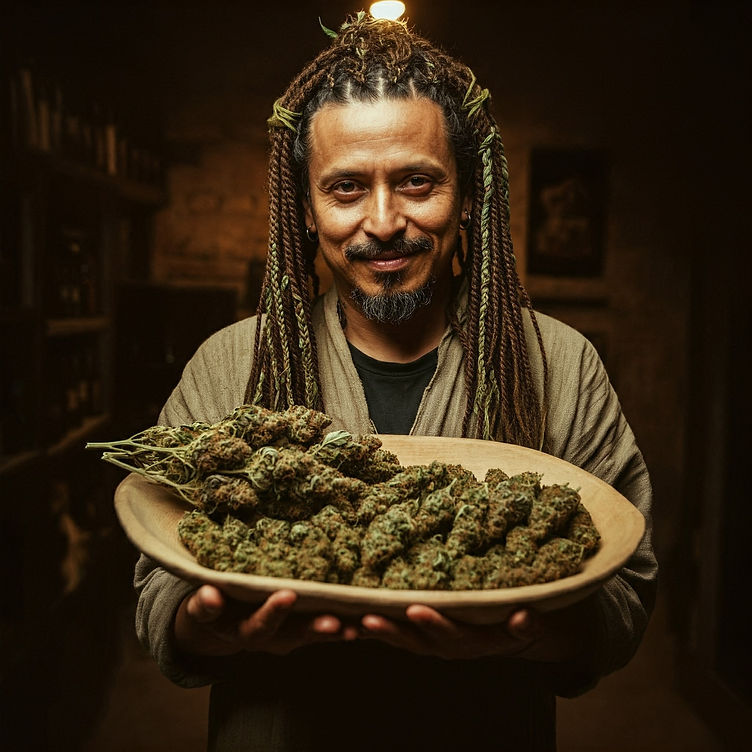
Establishing the weed almighty standard requires looking past marketing hype to evaluate the tangible qualities of the product. It involves assessing the integrity of the buds, the clarity of the aroma, and the smoothness of the smoke or vapor. This approach aligns with the mission of leading dispensaries like Mighty Lucky in New York City, which aim to redefine the industry by providing consistently premium strains that meet these exacting criteria. For the connoisseur, this standard is the baseline for any recipe or consumption method, ensuring that the final product reflects the full potential of the cannabis plant.
Navigating thc-a flower laws today
Understanding where you can legally purchase and possess thc-a flower is the first step in building a compliant culinary kit. Because hemp-derived cannabinoids exist in a complex regulatory gray area, the rules change depending on whether you are in a state with full recreational legalization or one that strictly follows the federal 2018 Farm Bill.
In states like New York or California, dispensaries operate under strict licensing, ensuring that products meet testing standards for potency and contaminants. However, in states with more restrictive laws, purchasing thc-a flower from online retailers may still be legal under federal hemp definitions, provided the final product contains less than 0.3% delta-9 THC by dry weight. This distinction is critical for home cooks who want to avoid legal complications while experimenting with gourmet recipes.
The legal landscape is not static. Federal agencies periodically review hemp-derived intoxicants, and some states have moved to ban them outright. Staying informed through official state health department updates or reputable industry news ensures that your hobby remains safe and compliant. Always prioritize products from transparent brands that provide third-party lab results, as this is your best defense against unintentional violations.
Choose the Right Strain for Your Edibles
Selecting a cannabis strain for edibles requires looking past simple THC percentages and examining the terpene profile. Terpenes are aromatic compounds that dictate flavor and modify the psychoactive effects of cannabinoids. When infusing butter or oil, the strain you choose acts as the primary spice in your recipe, influencing both the taste of the final dish and the nature of the experience.
Indica-dominant strains are generally preferred for evening edibles due to their sedating effects and earthy, savory profiles. These terpenes like myrcene and caryophyllene pair well with rich, heavy foods. Sativa-dominant strains, with higher levels of limonene and pinene, offer uplifting, citrusy notes that complement lighter dishes or daytime snacks. Hybrid strains offer a balance, allowing you to tailor the infusion to specific culinary goals.
The following table compares three popular strains often used in gourmet cannabis cooking, highlighting their dominant terpenes and best culinary pairings.
| Strain | Type | Dominant Terpenes | Best Culinary Pairing |
|---|---|---|---|
| Granddaddy Purple | Indica | Myrcene, Caryophyllene | Dark chocolate truffles |
| Lemon Haze | Sativa | Limonene, Pinene | Citrus-infused shortbread |
| Blue Dream | Hybrid | Myrcene, Pinene | Berry compote tarts |
When preparing your infusion, consider how the strain’s natural flavors will interact with your chosen ingredients. Earthy strains may overpower delicate herbs, while citrusy strains can clash with heavy spices. Matching the strain’s terpene profile to your recipe’s flavor profile ensures a harmonious and elevated edible experience.
Infusing cannabis butter step by step
Creating potent, flavorful cannabis butter (cannabutter) requires patience and precise temperature control. The process involves two main phases: decarboxylation, which activates the cannabinoids, and infusion, which dissolves them into the fat. Mastering these steps ensures your butter is ready for any gourmet recipe.
Decarboxylate the flower
Raw cannabis contains THCA and CBDA, which are not psychoactive or fully bioavailable until heated. Decarboxylation removes a carboxyl group from these molecules, converting them into THC and CBD. Preheat your oven to 240°F (115°C). Grind the cannabis coarsely—do not turn it into a fine powder, as this can lead to burning. Spread the material evenly on a baking sheet lined with parchment paper. Bake for 30 to 40 minutes, gently stirring halfway through. The cannabis should turn a light golden brown and become dry and crumbly. Avoid darkening it too much, as high heat can degrade the terpenes and cannabinoids.
While the cannabis cools, prepare your fat base. Unsalted butter is standard, but ghee or coconut oil work well for different culinary applications. Place 1 cup of butter (or equivalent fat) into a saucepan or slow cooker. Add 1 cup of water to the pot. This water bath acts as a thermal buffer, preventing the butter from scorching if the temperature spikes. Keep the heat on low until the butter is fully melted and the mixture is warm to the touch, but not simmering.
Add the decarboxylated cannabis to the melted butter and water mixture. Stir thoroughly to ensure all plant material is submerged. If using a stovetop, maintain the lowest possible heat setting. The ideal temperature range for infusion is between 160°F and 200°F (71°C–93°C). If the mixture begins to bubble or steam heavily, remove it from the heat immediately. Simmer for 2 to 3 hours, stirring occasionally. Do not let it boil. Boiling can break down the delicate terpenes and result in a harsh, grassy flavor. The goal is a slow, steady extraction, not a rapid cook.
After simmering, remove the pot from the heat and let it cool slightly. Line a fine-mesh strainer or cheesecloth over a heatproof bowl or glass jar. Pour the mixture through the strainer. Use a spoon to press the plant material gently, extracting as much infused butter as possible. Discard the leftover plant matter. Allow the strained butter to cool to room temperature, then cover and refrigerate. As it chills, the butter will solidify and separate from any remaining water, which will settle at the bottom. You can easily scrape off the solidified butter and store it in an airtight container for up to three months. For longer storage, freeze it in portioned cubes.

If your butter tastes overly grassy, the temperature likely got too high during infusion or decarboxylation. If it seems weak, the infusion time was too short, or the plant material wasn't fully decarboxylated. Always start with low heat and be patient. Consistency is key to a high-quality product that integrates seamlessly into your cooking.
Gourmet weed recipe: truffle infusion
Infusing cannabis into rich chocolate truffles transforms a standard edible into a connoisseur-grade experience. The goal is a balanced, slow-release effect paired with the nuanced flavors of dark chocolate and sea salt. This recipe focuses on precision, ensuring the cannabutter is evenly distributed and the texture remains silky smooth.
Think of the infusion process like brewing espresso: you need the right grind (decarboxylation), the right water temperature (butter melting), and the right time to extract the full profile. Rushing this step results in a gritty texture and uneven potency. Patience here pays off in every bite.

Store your truffles in an airtight container in the refrigerator. They will keep for up to two weeks. Always label clearly and keep out of reach of children and pets. Start with a small portion to assess tolerance, as homemade edibles can vary in potency depending on the initial decarboxylation and infusion efficiency.
Frequently asked questions about edibles
Navigating cannabis terminology and pricing can be tricky, especially when transitioning from flower to edibles. Here are the answers to common questions about potency, value, and industry figures.
Edible Preparation Checklist
Before you take your first bite, treat your kitchen like a precision lab. Homemade edibles vary widely in potency because cannabinoid distribution is rarely uniform. Skipping these final checks risks an unpleasant surprise rather than a curated experience.

- Calculate exact dosage: Divide total milligrams of THC/CBD in your infused butter or oil by the number of servings. Write this number on your recipe card.
- Label everything clearly: Use masking tape and a permanent marker on all storage containers. Include the strain name, total potency, and date made.
- Store properly: Keep edibles in airtight, light-resistant containers away from heat. Label them separately from regular food to prevent accidental ingestion.
- Wait for onset: Edibles take 60–90 minutes to kick in. Do not consume more during this window, regardless of initial effects.
A disciplined checklist turns guesswork into a reliable ritual. Consistency is the hallmark of a true connoisseur.
No comments yet. Be the first to share your thoughts!