
Understanding the current state of cannabis laws
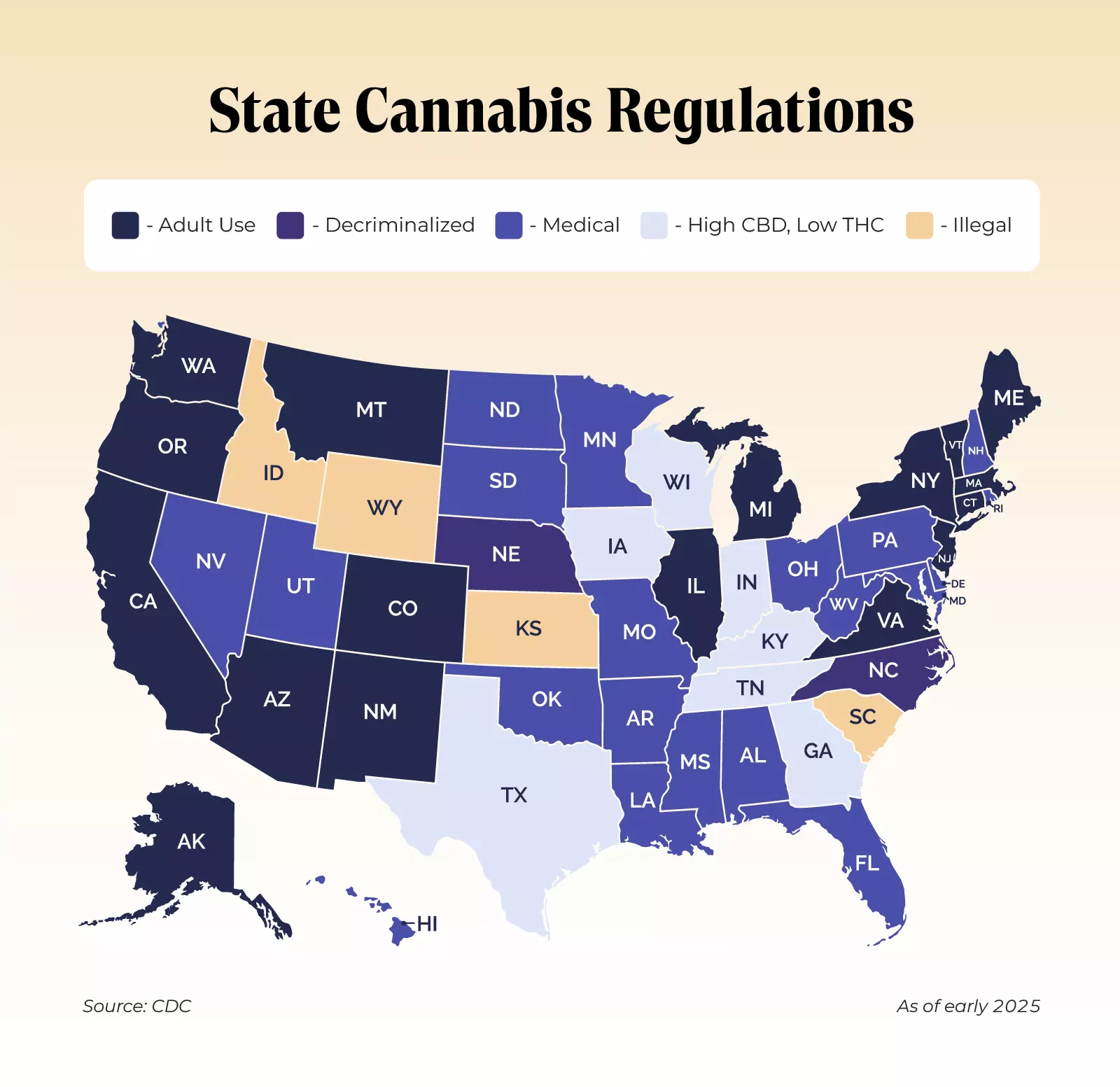
Navigating cannabis laws requires checking the specific jurisdiction you are in, as regulations vary significantly across the United States. The legal landscape is not binary; it is a patchwork of medical access, recreational allowances, and varying degrees of prohibition. As of 2026, cannabis is legal for medical use in 41 of 50 states and for adult recreational use in 24 states [[src-serp-1]]. This means that while a product might be fully legal in one neighboring state, it could be strictly prohibited just across the border.
The primary keyword phrase, cannabis laws, governs everything from possession limits to cultivation rights. For example, California allows both medicinal and adult recreational use, but imposes strict licensing and testing requirements that shape the market [[src-serp-2]]. In other regions, laws may permit low-THC CBD products while banning smokable flower entirely. These distinctions matter because penalties for non-compliance can range from civil fines to criminal charges depending on the specific statute.
It is important to remember that state laws operate independently of federal status. While some states have moved toward full legalization, cannabis remains a Schedule I controlled substance under federal law. This creates a complex environment where activities legal under state law may still carry federal risks. Always verify the most current regulations for your specific county or city, as local ordinances can impose additional restrictions beyond state statutes.
Cannabis Laws Tradeoffs: What to Evaluate Before You Move or Travel
Navigating the patchwork of state regulations requires more than a quick legality check. The difference between legal possession and a criminal charge often comes down to specific limits on quantity, location, and product type. As states like Minnesota finalize their regulatory frameworks, the gap between federal illegality and state permission widens, creating complex tradeoffs for consumers.
When evaluating your options, focus on the concrete constraints rather than the broad "legal" or "illegal" label. A state may permit recreational use but ban home cultivation, or allow edibles while prohibiting flower. Understanding these nuances prevents costly mistakes when crossing jurisdictional lines.
Quantity and Possession Limits
Even in states with full recreational legalization, possession limits are strict. In California, adults can possess up to one ounce of flower and eight grams of concentrate. Exceeding these amounts, even slightly, can trigger misdemeanor charges. These limits vary significantly; some states allow larger amounts for medical patients, while others maintain strict caps for all adults. Always verify the current gram limit for your specific jurisdiction before purchasing or transporting.
Location Restrictions
Where you consume is just as important as what you consume. Public consumption bans are nearly universal, covering parks, streets, and even some private property visible to the public. Many states prohibit use in vehicles, regardless of whether the engine is running. Some jurisdictions have introduced designated consumption lounges, but these are not yet available everywhere. Violating location laws can result in fines that far exceed the cost of the product itself.
Product Type Variations
Not all cannabis products are treated equally under the law. THC concentrations in edibles, tinctures, and concentrates often have separate limits from flower. For instance, while flower might be legal up to one ounce, concentrates may be limited to ten grams. CBD products with varying THC levels also face different regulatory hurdles. Always check the specific rules for the product category you intend to purchase, as mislabeling or exceeding limits can lead to legal complications.
| Factor | Typical Limit | Risk if Exceeded |
|---|---|---|
| Possession Quantity | 1 oz flower / 8g concentrate | Misdemeanor charge, fines |
| Public Consumption | Banned in most public spaces | Civil fine, possible arrest |
| Vehicle Use | Prohibited while driving or in parked car | DUI charges, heavy fines |
| Home Cultivation | Varies (0-6 plants in some states) | Felony or misdemeanor, confiscation |
How to Navigate State Cannabis Regulations
Cannabis laws in the United States are not a single federal rulebook but a patchwork of state-level statutes. As of 2026, cannabis is legal for medical use in 41 states and for recreational use in 24 states. This means the legality of possession, purchase, and consumption depends entirely on your current location and the specific jurisdiction’s current statutes. Treat every state border as a regulatory checkpoint; what is legal in one county may be a felony in the next.
To stay compliant, follow this decision framework before purchasing or consuming cannabis.
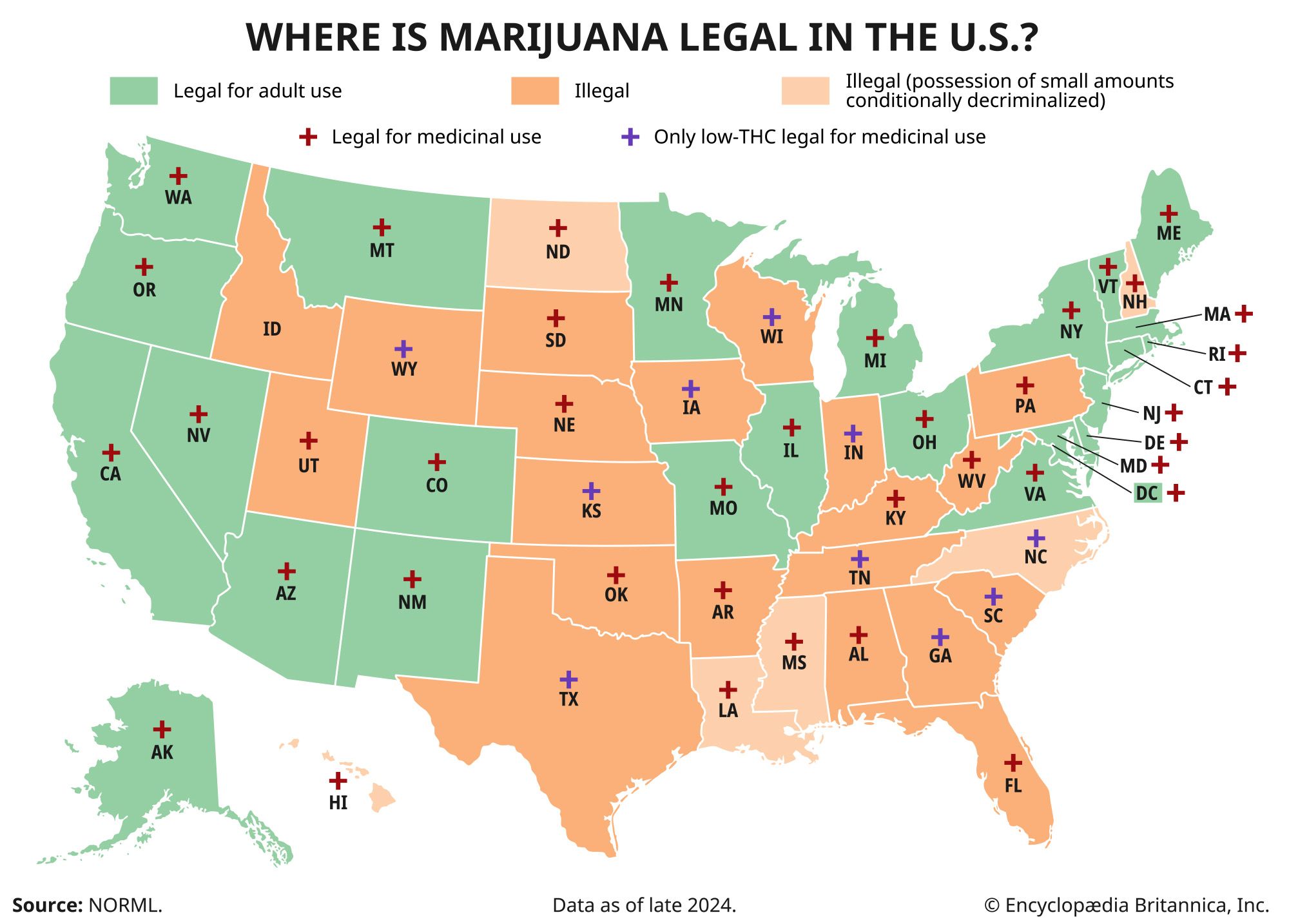
Confirm whether your state allows recreational or medical use. The landscape shifts frequently; for example, California legalizes both medicinal and adult use, while other states remain in transitional phases. Never rely on outdated maps or general knowledge.
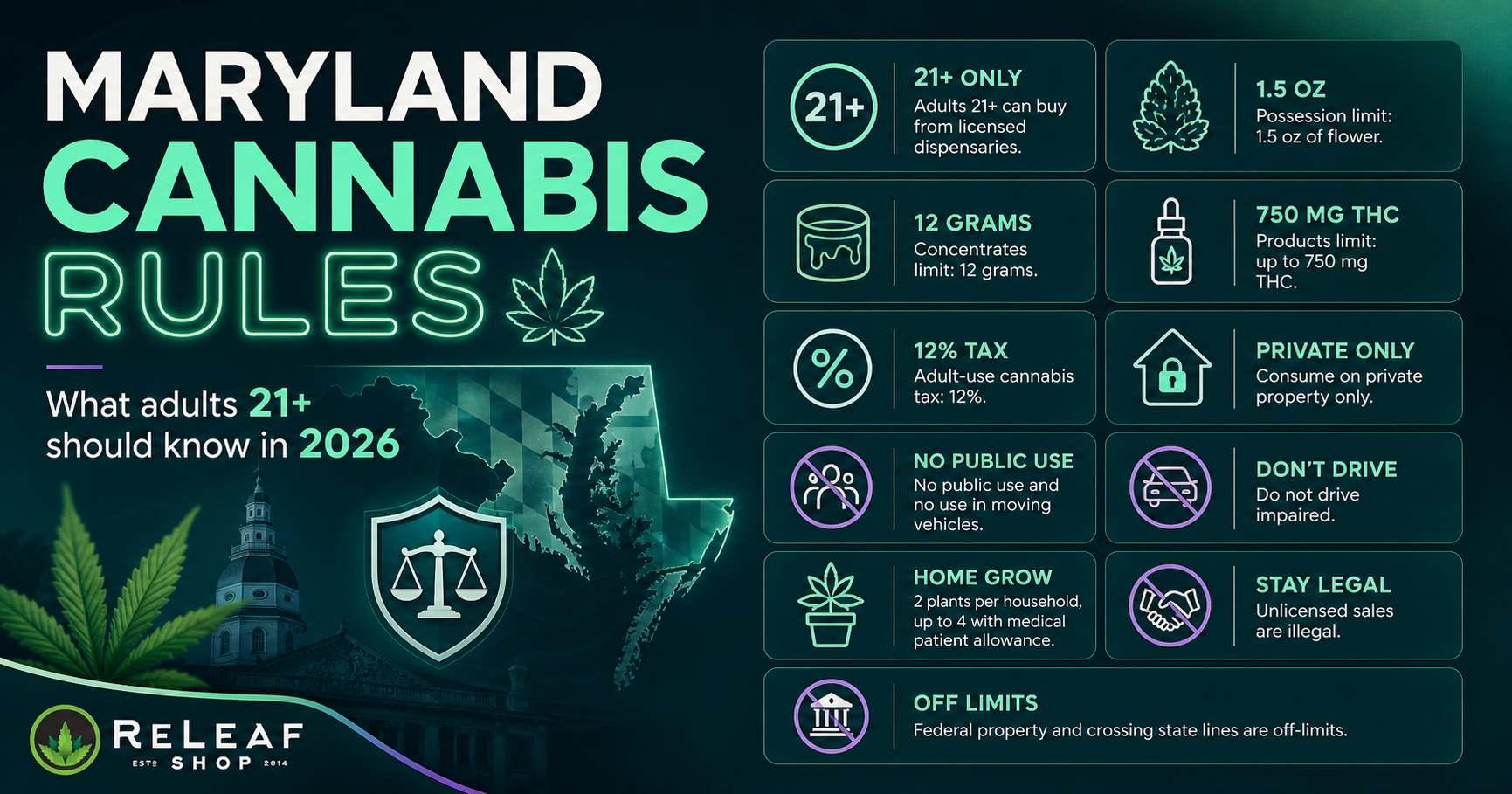
In medical states, possession often requires a valid medical marijuana card. Recreational states typically require proof of age (21+) and identification. Without the proper credentials, you risk legal penalties even in states where cannabis is otherwise legal.
State legality does not guarantee local legality. Cities and counties can ban dispensaries or prohibit consumption in public spaces. Always check local municipal codes before purchasing, as local bans can override state permissions.
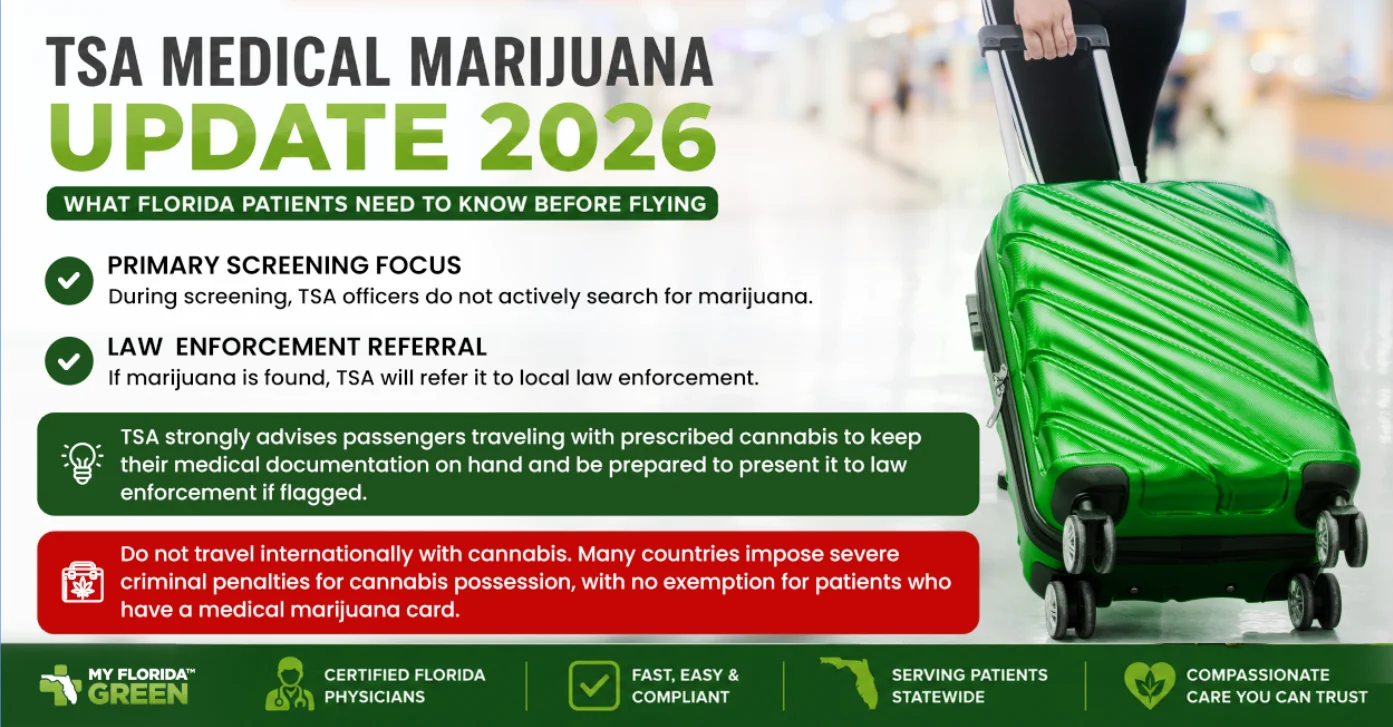
Each state sets specific limits on how much cannabis you can possess and whether you can transport it across state lines. Transporting cannabis across state borders remains a federal crime, regardless of state laws. Keep purchases within the legal limits of the issuing state.
Public consumption is prohibited in most jurisdictions. Many states ban consumption in vehicles, even if the vehicle is parked. Always consume in private property where the owner permits it to avoid fines or citations.
-
Confirm state recreational or medical legality
-
Verify age and ID requirements
-
Check municipal bans or restrictions
-
Review possession and transport limits
-
Ensure private consumption only
Avoid the weak options
Use this section to make the Cannabis Laws Update decision easier to compare in real life, not just on paper. Start with the reader's actual constraint, then separate must-have requirements from details that are merely nice to have. A practical choice should survive normal use, maintenance, timing, and budget. If a recommendation only works in an ideal situation, call that out plainly and give the reader a fallback path.
The simplest way to use this section is to write down the must-have criteria first, then compare each option against those criteria before weighing nice-to-have features.
Cannabis laws: what to check next
Navigating the patchwork of state regulations requires checking specific limits, as federal status remains unchanged. While 24 states and Washington, D.C., have legalized recreational cannabis as of spring 2026, the legal landscape varies significantly by jurisdiction [src-serp-6]. Below are answers to common questions about current regulations.
State limits on THC concentration, home cultivation, and public consumption differ widely. A product legal in one state may be restricted in a neighboring one. Consult official state resources before purchasing or transporting cannabis products.
No comments yet. Be the first to share your thoughts!