

The shift to nano-tech
Edibles and topicals are notoriously unpredictable. You wait an hour, feel nothing, take more, and then get hit all at once. This happens because of how we process cannabinoids, but 2026 is when nano-emulsification finally moves from a niche tech to a standard for most brands.
Nano-emulsification is, at its simplest, a process of breaking down cannabis compounds – THC, CBD, and others – into incredibly small particles, measured in nanometers. This dramatically increases bioavailability, meaning more of the cannabinoid actually enters your bloodstream and has an effect. The current state of cannabis products often sees a significant portion wasted due to poor absorption.
The recent rescheduling of cannabis by the Justice Department, moving it to Schedule III, is a huge development. While it doesn’t legalize cannabis federally, it eases research restrictions and could unlock further investment into technologies like nano-emulsification. This change, coupled with ongoing state-level legalization efforts – as tracked by Weed Almighty’s 2026 Cannabis Legalization Map – sets the stage for a wave of innovation in fast-acting cannabis edibles and topicals. We’re on the cusp of a new era where consistency and predictability are the norm.
How bioavailability works
Bioavailability is the percentage of a substance that enters the circulation and is able to have an active effect. Traditional cannabis consumption methods, especially edibles, face a major bioavailability hurdle. When you ingest cannabis, it travels to the liver where it undergoes what’s called "first-pass metabolism". This process essentially breaks down a significant portion of the THC and CBD before it even reaches the bloodstream.
Think of it like this: if you swallow 10mg of THC in a traditional edible, maybe only 2-3mg actually make it into your system. The rest is metabolized by the liver. This is why edibles take so long to kick in – often an hour or more – and why effects can be so unpredictable. The same principle applies, albeit to a lesser extent, to topicals, where absorption through the skin is naturally limited.
Nano-emulsification shrinks cannabinoid particles to about one billionth of a meter. At this size, they bypass the liver's first-pass metabolism and enter the bloodstream through the lymphatic system. Since cannabinoids are fat-soluble, we wrap them in lipids like MCT oil to speed up the process even more.
This isn't a new concept in pharmaceuticals; drug manufacturers have long used nano-emulsification to improve the bioavailability of various medications. Cannabis is simply catching up, and the potential benefits are substantial. It’s about getting more from each dose, and experiencing a more consistent and reliable effect.
Edibles Reimagined: Speed and Precision
The impact of nano-technology on edibles is perhaps the most immediately noticeable. Forget waiting an hour or more to feel anything. Nano-emulsified edibles can deliver effects within 10-20 minutes, more akin to vaping or smoking. This speed is a game-changer for those seeking rapid relief or a more controlled experience.
Beyond speed, nano-emulsification allows for significantly more precise dosing. Because more of the cannabinoid is absorbed, manufacturers can create products with consistent potency and predictable effects. No more guessing games or unpleasant surprises. This is particularly important for medical cannabis patients who rely on precise dosages for managing their conditions. The ability to microdose effectively also becomes a realistic possibility.
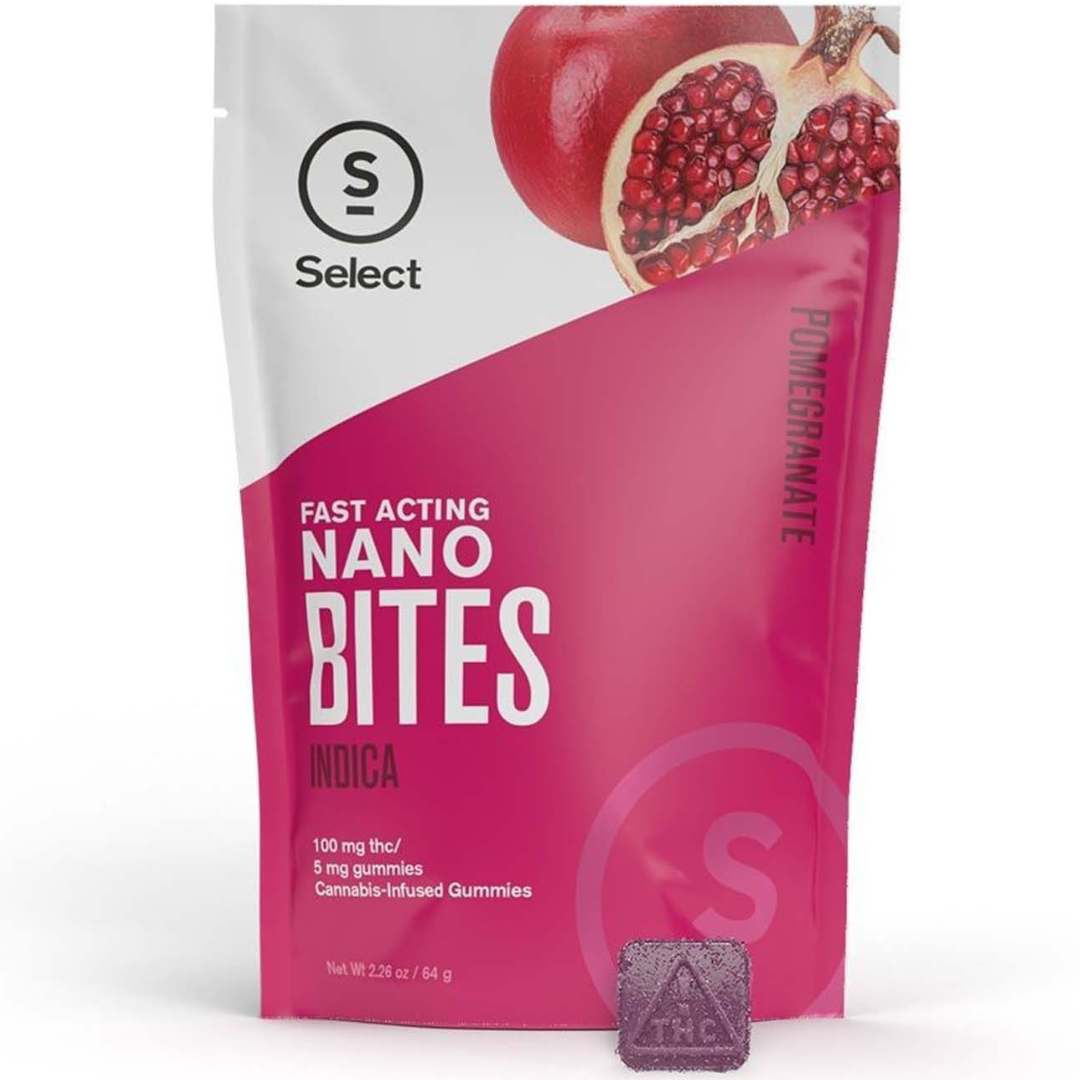
We’re already seeing a range of nano-emulsified edibles emerge. Gummies infused with nano-THC are becoming increasingly popular, offering a familiar format with a faster onset. Beverages, like sparkling waters and teas, are also benefiting from the technology, providing a discreet and convenient way to consume cannabis. Chocolate, with its natural fat content, is an ideal carrier for nano-emulsified cannabinoids. Companies like Forrest Labs are actively developing these kinds of products.
However, there are challenges. Maintaining the stability of nano-emulsions over time is crucial. The tiny particles can sometimes re-aggregate, reducing bioavailability. Shelf life can also be a concern, requiring careful formulation and packaging. Ensuring consistent particle size throughout the product is another key manufacturing hurdle. These challenges are being addressed through ongoing research and development, and advancements in formulation techniques.
Topicals: Beyond Surface Level
For years, the efficacy of cannabis topicals has been debated. The skin is a natural barrier, and cannabinoids don't readily penetrate it. Traditional topicals often provided limited relief, with cannabinoids primarily interacting with receptors near the skin's surface. Nano-enhanced topicals aim to change that.
By reducing cannabinoid particle size, nano-emulsification allows for deeper penetration into the skin, increasing the likelihood of reaching the underlying cannabinoid receptors. While cannabinoids still don’t enter the bloodstream in significant amounts through topical application, this enhanced absorption can lead to more noticeable effects. Some researchers believe nano-emulsification helps cannabinoids bypass the skin’s barrier function to interact with the endocannabinoid system more effectively.
The potential benefits are significant. Nano-enhanced topicals are being explored for pain relief, inflammation reduction, and even skin conditions like eczema and psoriasis. The inclusion of terpenes – aromatic compounds found in cannabis – can further enhance topical effects. Terpenes have their own therapeutic properties and can also help to improve cannabinoid absorption. Products from brands like Papa & Barkley are already incorporating these advancements.
We still don't have the full picture on topical absorption. Researchers are still figuring out the exact mechanics, so expect formulations to change as the data catches up.
The manufacturing process
Creating nano-emulsified cannabis products isn’t as simple as just blending cannabis with water. It requires specialized equipment and expertise. The core principle involves using high-energy forces to break down cannabinoid particles into nano-size. Several methods are employed, each with its own advantages and disadvantages.
High-pressure homogenization is a common technique, where a liquid mixture is forced through a small space at extremely high pressure. Microfluidization is another popular method, involving forcing the mixture through micro-channels. Ultrasonic emulsification uses sound waves to create cavitation bubbles that break down the particles. Each method aims to achieve a consistent and uniform particle size distribution.
Quality control is paramount. Manufacturers need to carefully monitor particle size, ensuring it remains within the desired nano-range. This often involves using techniques like dynamic light scattering (DLS). Maintaining consistency is vital for ensuring product efficacy and safety. The costs associated with nano-emulsification – equipment, expertise, and quality control – can be significant, potentially leading to higher product prices.
The regulatory mess
The regulatory landscape surrounding nano-enhanced cannabis products is complex and evolving. Currently, regulations vary significantly from state to state. Some states have specific guidelines for nano-emulsified products, while others treat them the same as traditional cannabis products. This lack of uniformity creates challenges for manufacturers operating in multiple states.
The recent rescheduling of cannabis by the Justice Department, as announced by the Office of Public Affairs, could have a significant impact on future regulations. Moving cannabis to Schedule III may lead to increased federal oversight and potentially more standardized testing requirements. It could also open the door for more research into the safety and efficacy of nano-enhanced products.
Safety and labeling are key concerns. Regulators are grappling with how to ensure that nano-emulsified products are accurately labeled and that consumers are aware of the potential for faster onset and increased potency. Standardized testing methods are needed to verify particle size and bioavailability. Transparency is crucial for building consumer trust.
State-by-state variations in regulations mean that manufacturers need to stay informed about the specific requirements in each market. This can be a complex and time-consuming process. As the industry matures, we can expect to see more harmonization of regulations, but it will likely take time.
Featured Products

High potency organic hemp oil for pain, sleep, and anxiety relief · Advanced extra strength formula with Omega 3, 6, and 9 · Vegan and gluten-free formulation
These premium hemp gummies offer a glimpse into the future of fast-acting edibles with their advanced formulation for rapid relief.
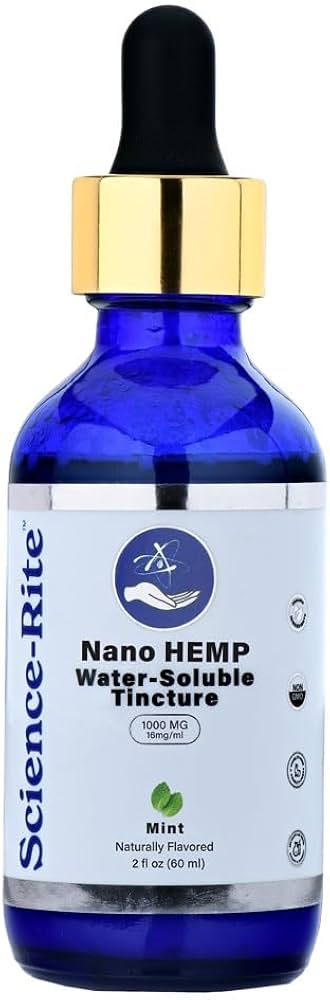
Nano THC tincture designed for rapid absorption · Potentially faster onset of effects compared to traditional tinctures · Formulated for efficient cannabinoid delivery
This nano THC tincture exemplifies the potential for quicker onset and more efficient delivery in fast-acting cannabis consumption.

Intensive hemp extract cream for muscle, joint, and back pain relief · Organic formulation with a lavender scent · Designed for topical application to target areas
This premium hemp extract cream showcases the future of fast-acting cannabis topicals, offering targeted relief.

Nano-infused seltzer for a fast onset experience · Designed for rapid absorption and quicker effects · A refreshing alternative for cannabis consumption
This nano-infused seltzer highlights the potential for quicker onset and more efficient delivery in fast-acting cannabis beverages.

Nano CBN sleep gummies formulated for natural sleep support · Melatonin-free to help users wind down and rest more deeply · Vegan, gluten-free, and allergen-free
These nano CBN sleep gummies demonstrate the potential for enhanced efficacy and faster-acting benefits in sleep-focused cannabis products.
As an Amazon Associate I earn from qualifying purchases. Prices may vary.


No comments yet. Be the first to share your thoughts!