
Make the recipe
Building a cannabis edible starts with decarboxylation, the process of applying heat to activate the THC or CBD in your plant material. Without this step, your infusion will be largely inactive. You can then infuse that activated cannabis into a fat source like butter or oil, which acts as the vehicle for carrying the cannabinoids into your final dish. This guide focuses on a simple, versatile method for creating a high-quality cannabis-infused butter, which serves as the foundation for brownies, cookies, or gummies.
Before you begin, ensure your kitchen is clean and your tools are ready. You will need a food processor or grinder, a fine-mesh strainer or cheesecloth, and a saucepan. Precision matters when dosing edibles, so keep a notebook handy to track the potency of your starting material and the final yield.

Troubleshooting common issues
If your cannabutter tastes grassy or bitter, it likely simmered for too long or at too high a temperature. Always keep the heat low and steady. If the butter separates too much during straining, ensure you are squeezing the cheesecloth firmly to extract all the infused fat. Remember that potency varies wildly based on the source material, so always start with a small portion when testing your new batch.
Keep the texture right
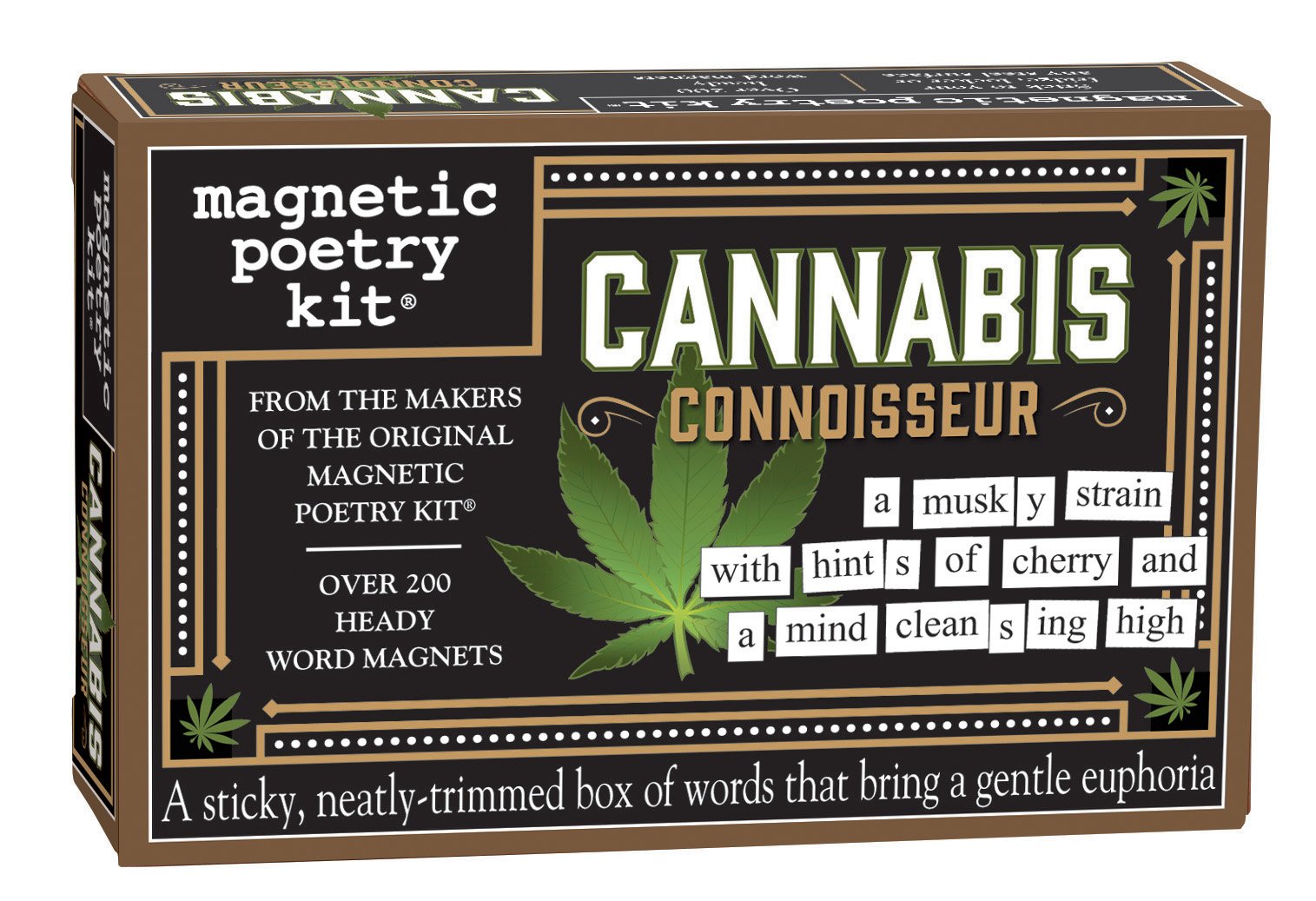
The Cannabis Connoisseur’s works best as a clear sequence: define the constraint, compare the realistic options, test the tradeoff, and choose the path with the fewest hidden costs. That order keeps the advice usable instead of decorative. After each step, pause long enough to check whether the recommendation still fits the reader's actual situation. If it depends on perfect timing, unusual access, or a best-case budget, include a simpler fallback.


Swaps That Still Work
Edible recipes are forgiving, but ingredient quality directly impacts potency consistency and texture. When a recipe calls for a specific fat or binder, you can often substitute with items you already have, provided you understand how they interact with cannabis extract. The goal is to maintain the chemical balance needed for even distribution without altering the final taste profile too drastically.
Fat Substitutions
Cannabis compounds (THC and CBD) are fat-soluble, meaning they bind to lipids. Butter or coconut oil are standard carriers, but you can swap them based on your dietary needs. Olive oil works well for savory dishes, though it has a lower smoke point. Vegetable shortening provides a neutral flavor and stable structure for baked goods. Dairy-free alternatives like cashew cream or oat milk can replace heavy cream in ganache or mousse recipes, though you may need to add a small amount of oil to ensure proper extraction.
Binder and Sweetener Adjustments
Flour choices affect density. Almond flour absorbs more moisture than all-purpose flour, so reduce other liquids slightly. For sweeteners, honey or maple syrup can replace granulated sugar in a 1:1 ratio, but they add liquid volume. If using liquid sweeteners, reduce the total liquid in the recipe by about 25% to prevent a soggy texture. Gelatin can be swapped for agar-agar in vegan gummy recipes, but the setting time will be longer.
Troubleshooting Texture
If your edible turns out too hard, you likely used a high-absorption binder like almond flour without adjusting hydration. Add more liquid fat or water in subsequent batches. If it’s too crumbly, you may have overmixed the dough or used too much dry binder. Letting the mixture rest for 10 minutes before shaping can help gluten (if using wheat flour) relax and bind better. Always store finished edibles in an airtight container to prevent moisture loss, which can make them stale and harder to dose accurately.
Serve and store it
How you handle your edibles after cooking determines whether they stay potent and tasty. Think of storage like a pantry for medicine: keep them in a cool, dark place away from heat and humidity. Oxygen and light degrade THC over time, so an airtight container is non-negotiable. For short-term use, a glass jar in a cupboard works well. For longer storage, freeze individual portions in small bags to lock in potency for months.
Label everything clearly with the strain name, THC content per piece, and the date you made them. Without labels, it’s easy to lose track of age or potency, leading to accidental overconsumption. Keep these containers out of reach of children and pets, ideally in a locked cabinet. Treat them with the same caution as alcohol or prescription medication.
When it’s time to serve, start with a small piece—especially if you’re sharing with someone new. The effects can take up to two hours to kick in, so patience is key. If you’re reheating leftovers, avoid high heat which can burn off delicate terpenes. A low oven or microwave on defrost setting preserves the flavor profile better than frying or high-temperature baking.
Cannabis: what to check next
Navigating edibles, cultivation, and strain selection requires more than just reading labels. Below are direct answers to the most common practical objections readers face when starting out.
No comments yet. Be the first to share your thoughts!