

Federal shifts: marijuana in schedule III
In late 2023, the DEA moved to reschedule cannabis from Schedule I to Schedule III. It isn't full legalization. We should be clear about that. But it changes how the industry operates on a daily basis. For decades, cannabis was lumped together with heroin and LSD, classified as having a high potential for abuse and no accepted medical use. Moving to Schedule III – alongside drugs like ketamine and certain anabolic steroids – acknowledges a recognized medical application.
What does this actually mean? The immediate impact is limited, but the potential for future changes is substantial. Schedule III designation recognizes cannabis has medical benefits, which opens doors for more research. While the federal government still considers cannabis a controlled substance, the rescheduling eases some restrictions. This is especially true regarding research, but the effects on businesses and consumers are less direct. Expect a slower shift than some proponents hoped for.
One significant area of impact is banking. Previously, many financial institutions avoided working with cannabis businesses due to federal prohibition, fearing legal repercussions. Rescheduling doesn’t eliminate those fears entirely, but it does reduce the risk. Banks are now more willing to provide services, though many remain cautious. This is a huge step toward normalizing the industry and reducing the reliance on cash-heavy transactions, which have long been a security concern for businesses. However, the full benefits of easier banking access will depend on further guidance from the Department of Justice and financial regulators.
Taxation is another area where change is possible, though not immediate. Section 280E of the Internal Revenue Code currently prevents cannabis businesses from deducting normal business expenses – a significant disadvantage compared to other industries. Rescheduling could eventually lead to the repeal of 280E, but that requires Congressional action. Until then, cannabis businesses will continue to face a disproportionately high tax burden. It's a complex situation, and the benefits of rescheduling will unfold over time.
Cannabis is still illegal at the federal level. If you possess or sell it outside of a state-sanctioned program, you're still committing a federal crime. Federal law enforcement can still prosecute cannabis-related offenses, though the DOJ has indicated it will prioritize cases involving large-scale trafficking and threats to public safety. The rescheduling to Schedule III is a step forward, but it’s not the finish line.
Florida's 2026 vote
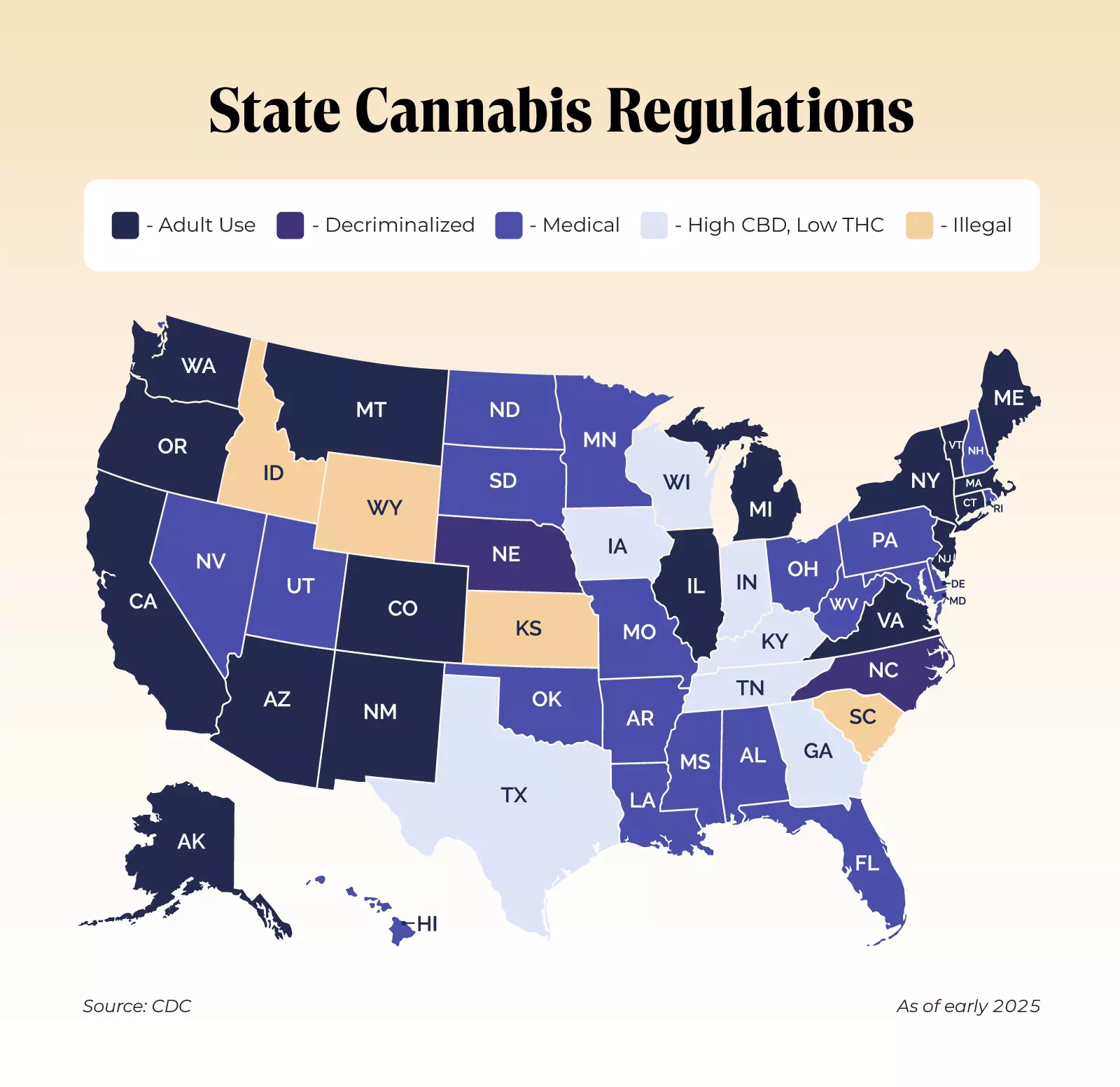
Florida voters decide on adult-use cannabis in November 2026 through House Bill 1003. If it passes, adults 21 and over can legally carry up to one ounce. Florida is a massive market. If it opens up, the national industry will feel the weight of that new revenue immediately.
The specific provisions of HB 1003 are fairly straightforward. It allows for licensed businesses to cultivate, process, and sell cannabis products, subject to state regulations. It also includes provisions for taxation, with revenue earmarked for education and other state programs. One key element is the allowance for existing medical marijuana treatment centers (MMTCs) to transition into the adult-use market, giving them a head start. This isn’t surprising; these companies have already invested heavily in infrastructure and have established relationships with regulators.
However, the path to legalization isn't guaranteed. Past attempts to legalize cannabis in Florida have failed, often due to challenges with ballot language or opposition from well-funded groups. Opponents argue that legalization will lead to increased crime, impaired driving, and other negative consequences. They also raise concerns about the potential impact on public health, particularly among young people. These are valid concerns, but proponents argue that regulation is a more effective way to address these issues than prohibition.
The likely impact on Florida's existing medical cannabis market is also a key consideration. Some worry that the introduction of adult-use cannabis will cannibalize the medical market, reducing access for patients who rely on cannabis for medical purposes. Others believe that the expansion of the market will benefit everyone, driving down prices and increasing product availability. The reality is likely to be somewhere in between. A well-regulated market should be able to accommodate both medical and adult-use consumers.
What makes this vote different than past attempts? The political climate in Florida has shifted, and public support for cannabis legalization is growing. The state's economy is also facing challenges, and the potential tax revenue from cannabis sales is an attractive prospect for lawmakers. Passing this bill would mean a significant economic boost for the state, and that’s a powerful incentive.
- Adults 21+ can possess up to one ounce.
- Establishes a regulated market for cannabis businesses
- Revenue earmarked for education and state programs
- Existing medical marijuana treatment centers can transition to adult-use
Florida Cannabis Regulations: Medical vs. Proposed Adult-Use (HB 1003)
| Feature | Medical Cannabis (Current) | Adult-Use (Proposed - HB 1003) | Key Differences |
|---|---|---|---|
| Possession Limit | Limited to amount prescribed by physician | Up to 1 ounce of flower; up to 5 grams of concentrate; edible products with up to 60mg THC | Significantly expanded access and quantity for recreational users. |
| Cultivation Rights | Generally prohibited; limited exceptions for registered caregivers | Home cultivation of up to 3 plants for personal use | Introduces personal cultivation rights not available under medical program. |
| Taxation | Standard sales tax applies | Additional 14% excise tax on adult-use cannabis sales | Adds a specific excise tax dedicated to cannabis regulation and programs. |
| Licensing | Strictly regulated licensing for cultivators, processors, and dispensaries; background checks and security requirements | Existing medical cannabis operators prioritized for initial adult-use licenses; new licenses anticipated | Leverages existing infrastructure while planning for market expansion. |
| Product Availability | Focus on products meeting medical needs; limited product types initially | Broader range of product types anticipated, including recreational-focused items | Expands product variety beyond medical necessity. |
| Patient Registry | Required for access; physician recommendation needed | Not required; access for adults 21+ | Eliminates the patient registry and physician recommendation requirement for adult consumers. |
| Public Consumption | Generally prohibited | Prohibited in public places | Maintains prohibition of public consumption. |
Qualitative comparison based on the article research brief. Confirm current product details in the official docs before making implementation choices.
State-by-state projections
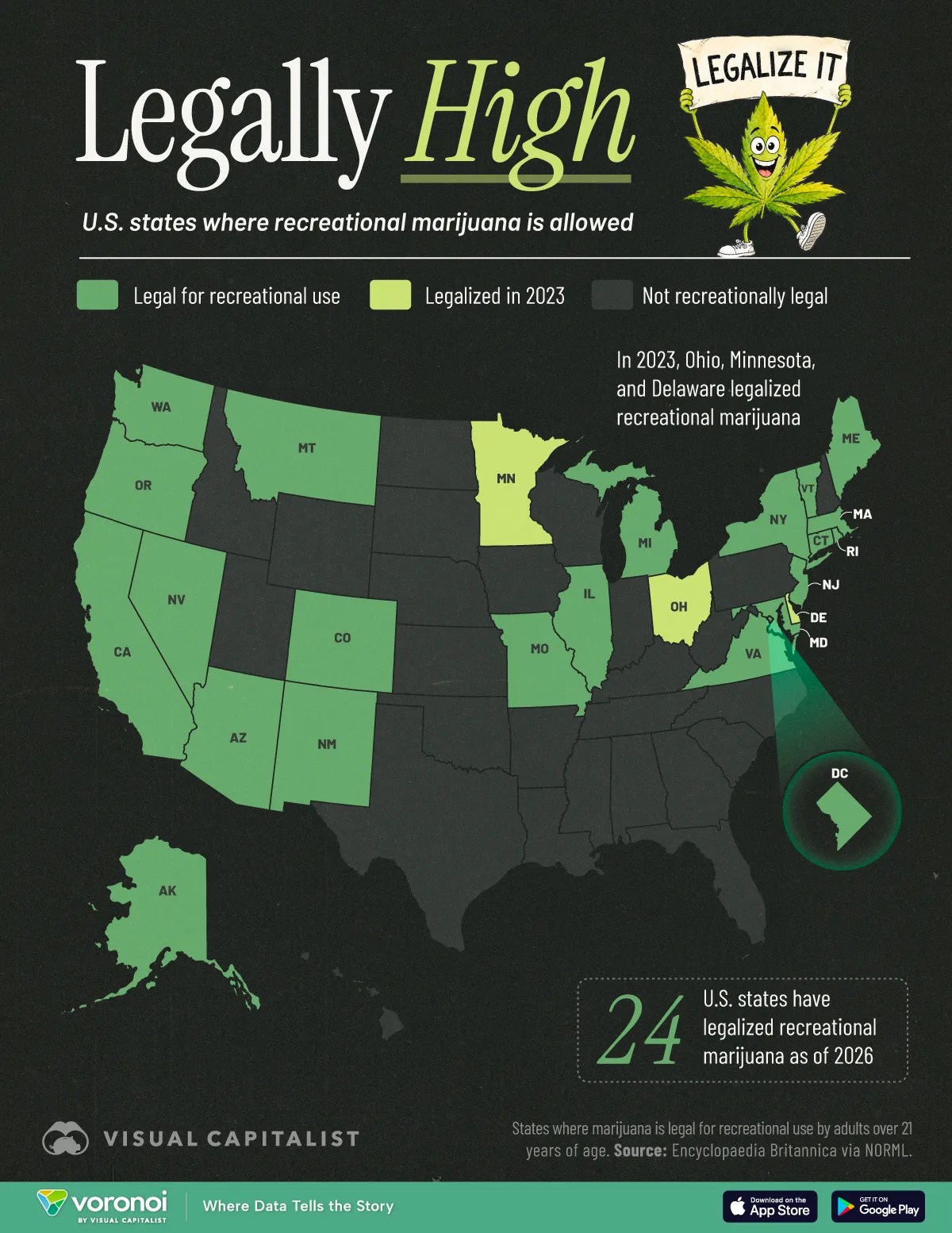
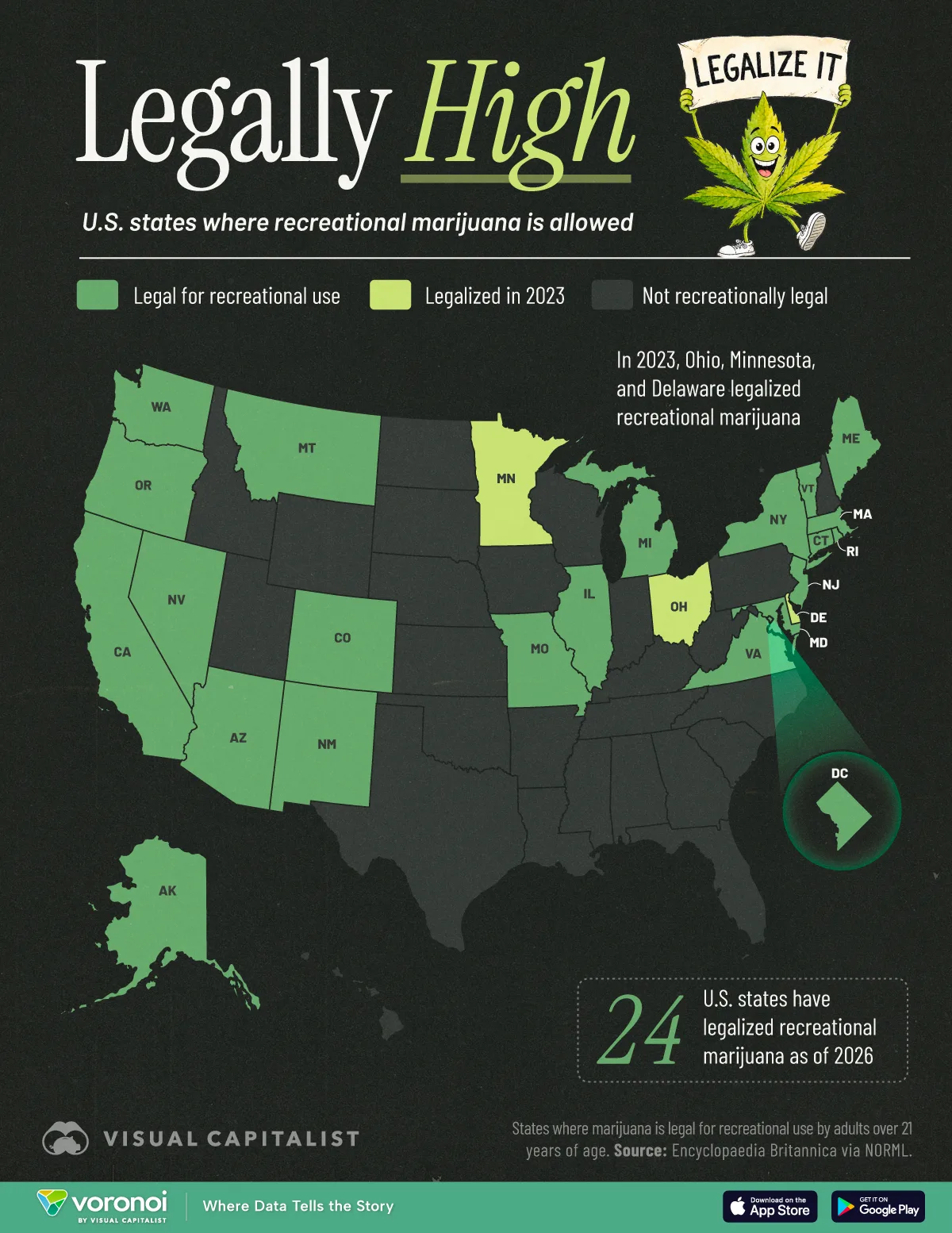
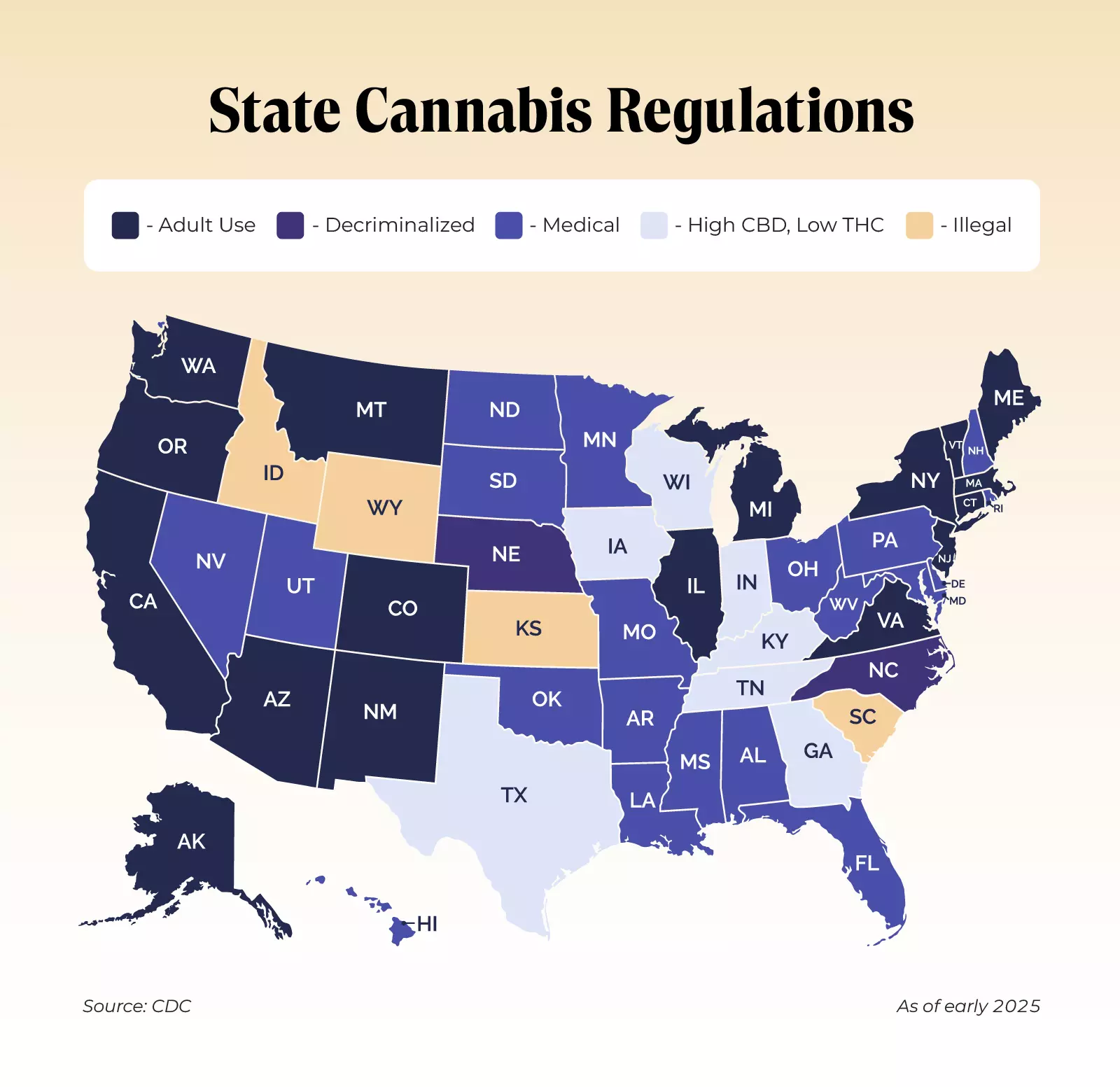
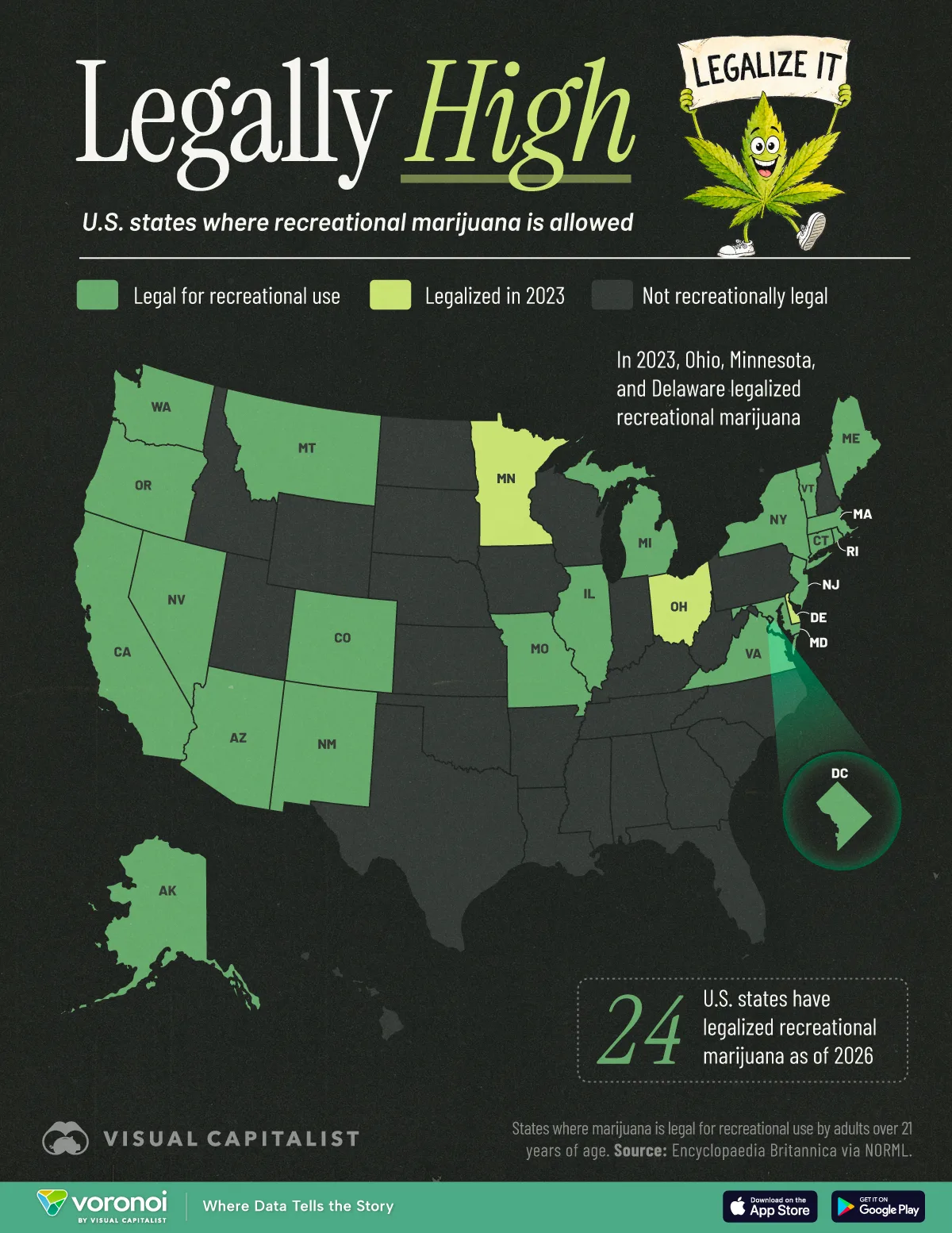
Beyond Florida, several other states are actively considering cannabis legalization or decriminalization. New York’s rollout of its adult-use market has been plagued by delays and regulatory hurdles, which has tempered expectations for rapid expansion. Despite these challenges, the state remains committed to legalization, and the market is slowly coming online. Ohio, on the other hand, has seen a relatively smooth rollout, and its early success is encouraging for other states.
Pennsylvania is a state to watch closely. Lawmakers have been discussing legalization for years, but progress has been slow. The state's political landscape is complex, with strong opposition from both sides of the aisle. However, the potential tax revenue and the growing public support for legalization could eventually overcome these obstacles. Maryland is also considering expanding its cannabis program, potentially moving toward full adult-use legalization.
Connecticut has already legalized adult-use cannabis, but its rollout has been slow. The state is prioritizing equity and social justice, and it’s taking a cautious approach to ensure that the benefits of legalization are shared by all communities. This is a commendable goal, but it’s also contributing to the delays. Other states, like Delaware and Rhode Island, are also exploring options for expanding their cannabis programs.
Decriminalization is gaining traction in several states as well. This involves reducing the penalties for possessing small amounts of cannabis, typically to a civil fine rather than a criminal offense. Decriminalization is often seen as a stepping stone to full legalization, and it can help to reduce the number of people arrested for minor cannabis offenses. States like New Hampshire and Maine are considering decriminalization measures.
Predicting which states will legalize cannabis is always a challenge. Political factors, economic considerations, and public opinion all play a role. But the trend is clear: more and more states are recognizing the benefits of cannabis legalization, and we can expect to see continued progress in the coming years. It's not just about 'if' states will legalize, but how – and what lessons they learn from the successes and failures of other states.
- New York is struggling with a slow rollout but remains committed.
- Ohio: Relatively smooth rollout, serving as a model.
- Pennsylvania: Ongoing discussions, complex political landscape.
- Maryland: Considering expansion to full adult-use.
- Connecticut: Prioritizing equity, cautious approach.
Banking and finance hurdles
Despite the rescheduling of cannabis to Schedule III, federal banking restrictions remain a significant hurdle for the industry. While the DOJ’s decision makes banks slightly more comfortable, most are still hesitant to provide services to cannabis businesses due to the risk of federal prosecution. This creates a challenging environment for businesses, forcing them to rely on cash-heavy operations, which are vulnerable to theft and other security risks.
The SAFE Banking Act, which would protect financial institutions that provide services to cannabis businesses, has been passed by the House of Representatives multiple times, but it has repeatedly stalled in the Senate. The bill would not legalize cannabis at the federal level, but it would provide a safe harbor for banks, encouraging them to serve the cannabis industry. Its future remains uncertain, dependent on shifting political priorities. Many in the industry were hoping Schedule III would remove the need for the SAFE Banking Act, but that doesn't seem to be the case.
Cannabis businesses are currently using a variety of workarounds to navigate the banking restrictions. Some are partnering with credit unions that are more willing to take on the risk. Others are using payment processors that specialize in high-risk industries. But these solutions are often expensive and inconvenient. They also come with their own set of risks, such as high transaction fees and limited functionality.
The reliance on cash also creates challenges for tax compliance. Cannabis businesses are required to pay taxes like any other business, but they often struggle to document their income and expenses accurately due to the lack of banking services. This can lead to audits and penalties from the IRS. It’s a frustrating situation for business owners who are trying to operate legally but are hampered by federal regulations.
The reality of interstate commerce
Currently, interstate cannabis commerce is prohibited under federal law. Each state with a legal cannabis market operates as a closed system, meaning that cannabis products cannot be legally transported across state lines. This creates inefficiencies and limits consumer choice. States with surpluses of cannabis are unable to sell to states with shortages, and consumers are unable to access a wider variety of products.
Even with the rescheduling to Schedule III, allowing interstate commerce would require significant changes to federal law. The Controlled Substances Act currently prohibits the transportation of cannabis across state lines, even between states where cannabis is legal. Congress would need to amend the act to explicitly allow for interstate commerce, which is a politically challenging proposition. It’s unlikely to happen quickly.
The potential benefits of interstate commerce are significant. It could lead to lower prices for consumers, as competition increases. It could also create economies of scale for businesses, reducing production costs. However, there are also challenges. Regulatory harmonization would be essential to ensure product safety and quality. States would need to agree on standards for testing, labeling, and packaging.
Another concern is the potential impact on state tax revenues. If cannabis products were allowed to flow freely across state lines, some states could lose tax revenue to other states. This could create political opposition to interstate commerce. It’s a complex issue with no easy solutions. For now, interstate commerce remains a distant reality.
Commerce Obstacles
- Federal Prohibition - Cannabis remains a Schedule I controlled substance under federal law, creating a fundamental conflict between state-legal markets and federal regulations. This impacts banking, taxation, and interstate transport.
- 280E Restrictions - Section 280E of the IRS tax code prevents cannabis businesses from taking standard business deductions, resulting in significantly higher tax burdens compared to other industries.
- State Regulatory Conflicts - Each state with legal cannabis has its own unique set of regulations regarding cultivation, processing, testing, and sales. These differing rules create barriers to seamless interstate commerce.
- Banking Limitations - Due to federal prohibition, many banks are hesitant to provide services to cannabis businesses, leading to reliance on cash and increased security risks.
- Interstate Transport Restrictions - Transporting cannabis or cannabis products across state lines is a federal crime, even between states where cannabis is legal. This necessitates keeping all cultivation, processing, and sales within individual state borders.
- Testing Standards Variance - Discrepancies in testing requirements and acceptable contaminant levels between states create challenges for ensuring product safety and compliance when considering interstate sales.
- Traceability System Incompatibility - States utilize different track-and-trace systems (like Metrc, BioTrackTHC, MJ Freeway) to monitor cannabis from seed to sale. Integrating these systems for interstate commerce presents a significant technological hurdle.
Research and Development: New Avenues Opening?
With cannabis rescheduled to Schedule III, new research opportunities are opening up. Previously, the Schedule I classification made it difficult to conduct research on cannabis, as it required navigating a complex and bureaucratic process. The rescheduling eases some of these restrictions, making it easier for researchers to study the potential medical benefits of cannabis.
Key areas of research that are likely to see increased attention include PTSD, chronic pain, epilepsy, and other conditions where cannabis has shown promise. Researchers will be able to conduct more rigorous clinical trials, gathering more data on the efficacy and safety of cannabis-based treatments. This could lead to the development of new and effective therapies for a wide range of medical conditions.
The increased research opportunities could also attract more investment in the cannabis industry. Investors are often hesitant to invest in companies that operate in a legally uncertain environment. The rescheduling of cannabis reduces some of that uncertainty, making it more attractive for investors to fund research and development. This could lead to innovation and growth in the industry.
It’s important to note that more research is still needed to fully understand the potential benefits and risks of cannabis. While the rescheduling to Schedule III is a positive step, it’s not a substitute for rigorous scientific investigation. But it’s a crucial step toward unlocking the full potential of this versatile plant.
No comments yet. Be the first to share your thoughts!