
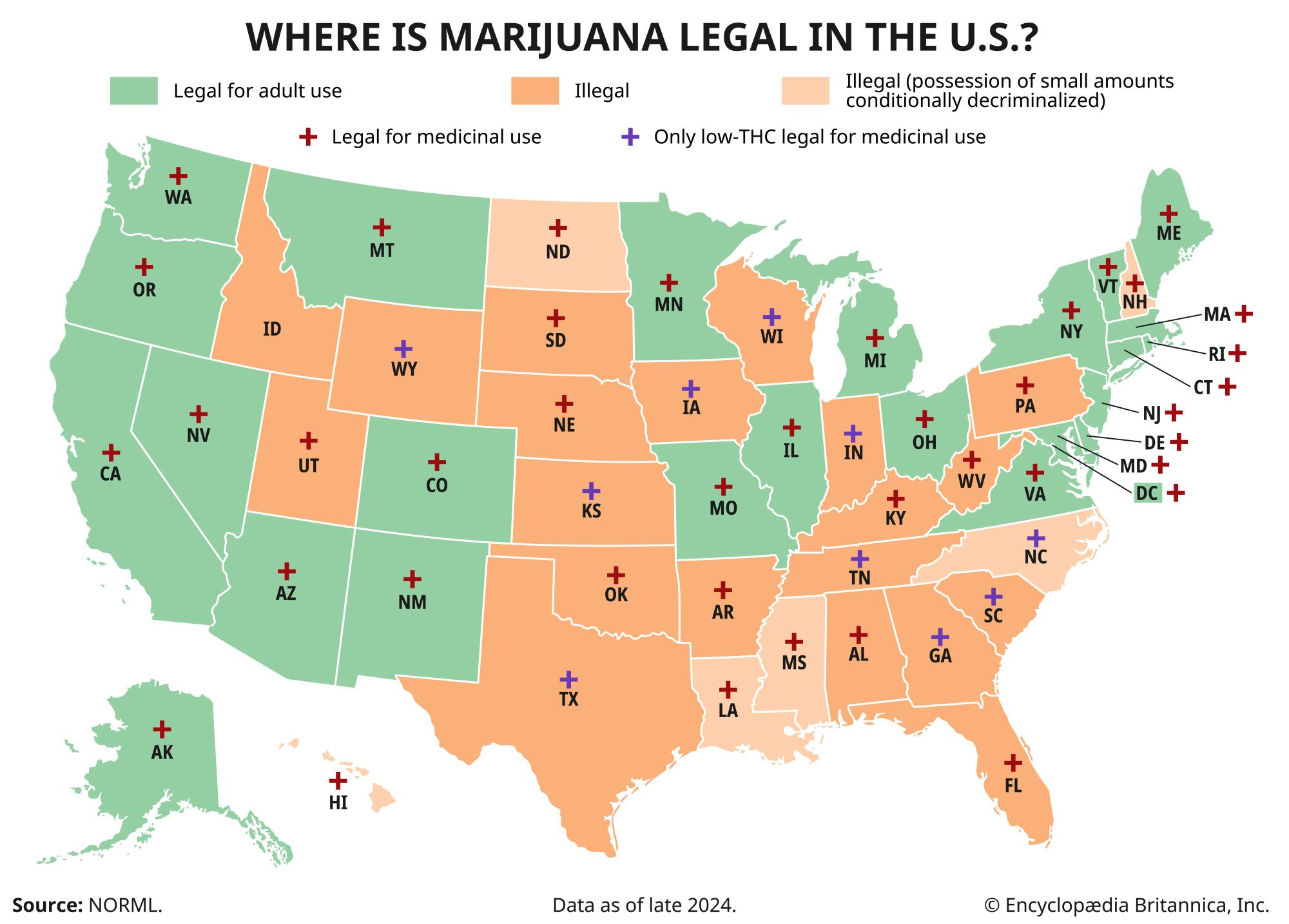

The 2026 regulatory landscape
Use this section to make the Cannabis Laws Update decision easier to compare in real life, not just on paper. Start with the reader's actual constraint, then separate must-have requirements from details that are merely nice to have. A practical choice should survive normal use, maintenance, timing, and budget. If a recommendation only works in an ideal situation, call that out plainly and give the reader a fallback path.
The simplest way to use this section is to write down the must-have criteria first, then compare each option against those criteria before weighing nice-to-have features.
Tracking state law changes
Cannabis laws shift with surprising speed, turning what was a stable regulatory environment into a moving target for connoisseurs. Because each state maintains its own legal framework, a practice that is standard in one jurisdiction may be prohibited just across the state line. To manage this complexity, you need a reliable method for verifying current regulations rather than relying on outdated guides or general assumptions.
Start with official state sources
The most accurate information comes directly from state government portals. These sites publish the actual statutes and administrative codes that define possession limits, cultivation rules, and licensing requirements. For example, California’s Department of Cannabis Control provides detailed guidance on both medicinal and adult-use regulations at cannabis.ca.gov. Similarly, the Virginia Cannabis Control Authority outlines specific penalties for possession amounts over the legal limit at cca.virginia.gov. Always check the publication date on these pages to ensure the information reflects the most recent legislative sessions.
Use centralized tracking tools
For a broader view, the National Conference of State Legislatures (NCSL) maintains a comprehensive database of state-level cannabis bills and enacted laws. This resource is particularly useful for comparing trends across multiple jurisdictions. Additionally, specialized legal tracking sites like DISA update their state-by-state legality maps monthly, providing a quick snapshot of where cannabis remains illegal or restricted. These tools help you identify which states are moving toward legalization and which are tightening restrictions.
Verify before you travel or purchase
Before transporting cannabis products or visiting dispensaries in a new area, always double-check the specific local ordinances. City and county laws can impose stricter rules than state statutes, such as banning retail locations in certain zones or limiting home cultivation. When in doubt, consult the official state health or cannabis control board website for the jurisdiction you are in. This step ensures you remain compliant with current cannabis laws and avoid unintended legal issues.
Cannabis laws change frequently and vary by jurisdiction. Always verify regulations using official state government sites or trusted trackers like the NCSL before traveling or purchasing products.
Federal status and interstate travel
Understanding cannabis laws requires recognizing that state-level legalization does not equate to federal approval. While the majority of states have reformed their cannabis laws to allow medical or recreational use, marijuana remains classified as a Schedule I controlled substance under federal law. This distinction creates a significant legal gray area for consumers who travel across state lines.
The United States Department of Justice maintains that possession, distribution, and cultivation of cannabis violate the Controlled Substances Act, regardless of state statutes. The Marijuana Policy Project notes that despite widespread state reforms, federal illegality persists, meaning federal agencies retain the authority to enforce these laws. Travelers should be aware that federal jurisdictions, including national parks, military bases, and federal courthouses, strictly prohibit cannabis possession.
Interstate travel introduces additional risks. Crossing state borders with cannabis products is considered a federal offense, even if both the departure and destination states have legalized marijuana. Law enforcement at airports and on highways operate under federal jurisdiction, where cannabis is treated differently than in state-regulated markets.
Recent updates to cannabis laws have not altered the federal prohibition on interstate transport. The National Conference of State Legislatures (NCSL) and official Texas cannabis law guides confirm that marijuana is still classified as a controlled substance under federal statutes. Consumers must recognize that state legalization provides protection only within that specific state’s borders, not during cross-border transit.
Compliance checklist for consumers
Cannabis laws differ significantly between federal statutes and state regulations, creating a complex landscape for consumers. While the federal government classifies cannabis as a Schedule I substance, individual states have enacted varying frameworks for medical and adult-use markets. To manage this divergence safely, connoisseurs should verify current regulations before purchasing or consuming products. The following steps outline how to ensure compliance with local and federal laws.
For the most accurate and up-to-date information, consult official sources such as the National Conference of State Legislatures (NCSL) or state cannabis control authorities. These resources provide detailed breakdowns of current cannabis laws, helping consumers stay informed and compliant.
Common questions about 2026 laws
Cannabis laws continue to shift as states finalize regulations. Below are answers to frequent questions about Texas, Minnesota, and states without legal cannabis.
No comments yet. Be the first to share your thoughts!