
What defines a cannabis connoisseur
A cannabis connoisseur approaches the plant with the same reverence a master chef brings to a kitchen. It is not merely about consumption; it is about intentionality. While a casual user might be satisfied with the immediate effects, a connoisseur values the nuance of terpenes, the purity of the extraction, and the precision of the infusion process. This mindset shifts the focus from simple intoxication to a curated experience where quality ingredients and careful technique take center stage.
The term "cannasseur" captures this spirit well. It is not about being pretentious, but rather about being curious and seeking out new, high-quality experiences. A true connoisseur understands that the vehicle matters as much as the content. Whether choosing a specific fat for tincture or selecting a strain for its aromatic profile, every decision is deliberate. This attention to detail ensures that the final product is not just functional, but exceptional.
In the realm of edibles, this definition translates to precision. It means measuring cannabinoids accurately, controlling temperature to preserve delicate terpenes, and understanding how different fats bind with THC and CBD. A connoisseur knows that a poorly made edible can mask the plant's potential, while a well-crafted one allows the subtle flavors and effects to shine. This guide is designed for those who want to master that craft, moving beyond basic recipes to create infused treats that reflect a deep respect for the plant.
Choosing the right strain and fat
Selecting ingredients for infused edibles requires the same precision a chef applies to a fine sauce. The goal is to maximize cannabinoid extraction while ensuring the final product tastes like something worth eating. A connoisseur looks past the marketing hype and focuses on chemical composition and culinary compatibility.
Start with the fat source. Cannabinoids are lipophilic, meaning they bind to fats. Coconut oil is often the superior choice for connoisseurs because it has a neutral flavor profile and a high concentration of medium-chain triglycerides, which aids in efficient extraction. Butter offers a richer, traditional taste that pairs well with baked goods but can introduce water content that makes emulsification trickier. Avoid oils with strong flavors, like extra virgin olive oil, unless the savory profile is intentional.
Next, evaluate the strain. The terpene profile determines the aroma and nuance, while the cannabinoid ratio dictates the potency. For edibles, you need decarboxylated flower to activate the THC or CBD. Indica strains typically offer sedating, body-heavy effects, while Sativa strains provide more cerebral, energetic experiences. Hybrid strains offer a balanced middle ground. Always source flower from reputable cultivators who provide lab results, ensuring you know exactly what you are consuming.
The table below compares common options to help you decide based on your desired outcome.
| Ingredient | Flavor Profile | Best Culinary Use | Extraction Efficiency |
|---|---|---|---|
| Coconut Oil | Neutral, slight coconut | Vegan treats, smoothies, direct infusion | High (rich in MCTs) |
| Unsalted Butter | Rich, creamy, dairy | Cookies, brownies, pasta sauces | Moderate (contains water) |
| Indica Strain | Earthy, pine, or sweet | Evening relaxation, sleep aids | Standard (requires decarb) |
| Sativa Strain | Citrus, floral, or woody | Daytime focus, creative tasks | Standard (requires decarb) |
| Hybrid Strain | Varies by dominant terpene | Balanced experiences, social settings | Standard (requires decarb) |
The infusion method
Infusing cannabis into butter or oil is the foundational technique for any connoisseur’s kitchen. It transforms raw plant material into a versatile culinary base that captures both the subtle terpenes and the active cannabinoids. Precision here determines the quality of every edible that follows, from ganache to baked goods.
The process relies on two distinct phases: decarboxylation and infusion. Decarboxylation applies heat to activate THC and CBD, while infusion uses a lipid medium to extract those compounds. Treat this not as a shortcut, but as a delicate chemical extraction that rewards patience and temperature control.
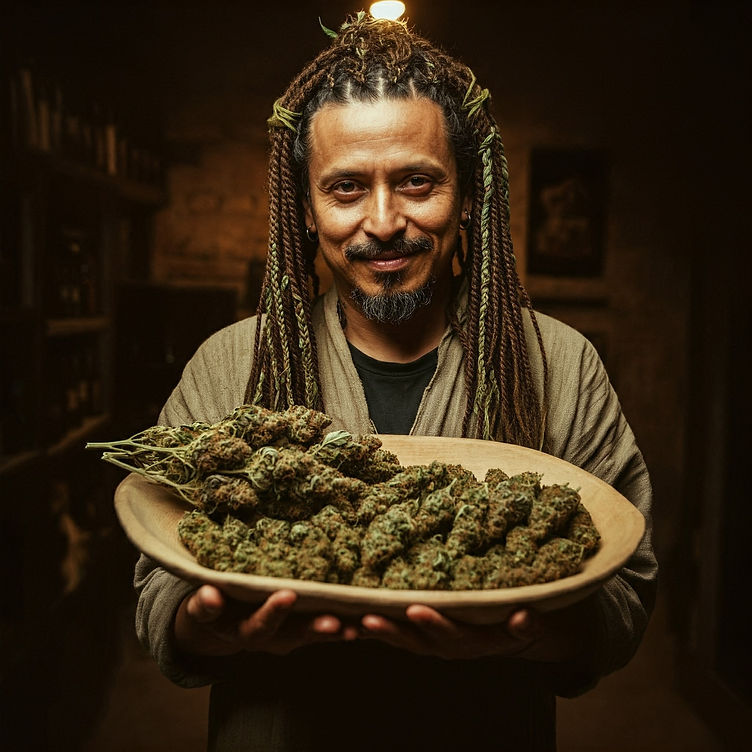
Grind your cannabis flower to a coarse consistency, ensuring the buds are broken down but not turned into fine powder. Spread the material in an even layer on a parchment-lined baking sheet. Place it in an oven preheated to 240°F (115°C) for 30 to 40 minutes. The goal is to gently activate the cannabinoids without burning the terpenes. You will know it is ready when the material turns a light golden-brown and releases a distinct aroma.

While the decarboxylated cannabis cools, prepare your lipid medium. For a rich, versatile base, use unsalted butter or a neutral oil like coconut or olive oil. The ratio typically ranges from 1 to 4 ounces of flower per 1 to 2 cups of fat. Place the butter or oil in a heavy-bottomed saucepan or a slow cooker. Add the ground cannabis to the fat, ensuring the plant material is fully submerged to maximize surface area contact for extraction.

Maintain a very low heat throughout the infusion process. If using a stovetop, keep the burner on the lowest possible setting; if using a slow cooker, set it to "warm" or the lowest "low" setting. The mixture should barely shimmer, never boil. Boiling will degrade the delicate terpenes and result in a harsh, bitter flavor. Stir occasionally with a wooden spoon to prevent sticking and ensure even extraction.

Allow the mixture to simmer for 2 to 4 hours. This extended time allows the lipids to fully absorb the cannabinoids. The longer the infusion, the stronger the potency, but be mindful of flavor degradation after the four-hour mark. The mixture is ready when it has taken on a vibrant green hue and the plant material has sunk to the bottom or floated to the top, depending on the fat density.
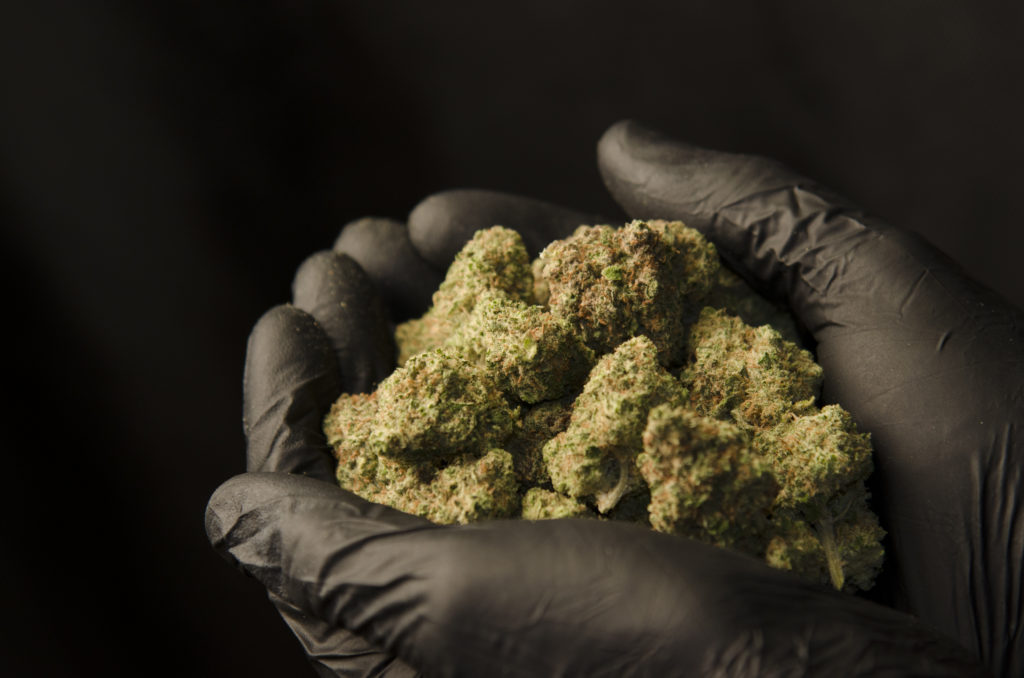
Remove the pot from heat and let it cool slightly. Line a fine-mesh sieve or cheesecloth over a heat-proof bowl or glass jar. Pour the mixture through the strainer to separate the plant matter from the infused fat. Squeeze the cheesecloth gently to extract every drop of the potent oil or butter. Discard the plant material. Store the infused base in an airtight container in the refrigerator for up to two weeks, or freeze for longer shelf life.
This infused butter serves as the canvas for your culinary experiments. Whether you are making a simple toast or a complex dessert, the quality of this base dictates the final experience. Keep your measurements precise, and respect the temperature limits of your equipment to preserve the integrity of the craft.
Calculate potency and serve with precision
Precision is the hallmark of a true connoisseur. Unlike smoking, where the effects are immediate and easier to gauge, edibles require a calculated approach to ensure consistency and safety. The goal is to determine the exact milligrams of THC per serving so every bite delivers a predictable experience. This culinary discipline separates a hobbyist from a master.
To begin, you must know the total potency of your infused ingredient. If you are using a cannabis-infused butter or oil, check the lab report or calculate it based on the starting flower’s average THC percentage and your extraction efficiency. A standard starting point is approximately 10% THC in dried flower, though this varies by strain and cultivation method.

Next, divide the total milligrams of THC in your entire batch by the number of servings. For example, if you infuse 10 grams of flower (estimated at 1,000mg total THC) into a batch of brownies that yields 20 squares, each square contains approximately 50mg of THC. For beginners or those seeking mild effects, a single serving is often recommended to start at 5mg to 10mg. This allows you to taste the flavor profile without being overwhelmed.
Always label your edibles clearly with the potency and date. Store them in airtight containers away from light and heat to preserve the cannabinoid integrity. A connoisseur respects the craft enough to ensure every detail, from calculation to storage, maintains the highest standard of quality and safety.
-
Label every container with potency and date
-
Store in a cool, dark place to preserve potency
-
Start with a low dose (5-10mg) if new to edibles
-
Wait at least two hours before consuming more
Common infusion mistakes to avoid
Even experienced cannabis connoisseurs can stumble when translating raw flower into precise edibles. The difference between a mediocre batch and a masterful one often comes down to avoiding three specific technical errors: improper decarboxylation, uneven distribution, and thermal degradation.
Skipping or rushing decarboxylation
Raw cannabis contains THCA and CBDA, which are non-psychoactive acidic compounds. To activate them, you must apply heat in a process called decarboxylation. Skipping this step means your edibles will have little to no effect. Rushing it by using too high a temperature burns off the terpenes and can degrade the cannabinoids into CBN, which causes sedation rather than the desired clarity. Aim for a low, steady oven temperature (around 220–240°F) for 30–40 minutes until the flower turns a light golden brown.

Poor fat infusion ratios
Cannabinoids are lipophilic, meaning they bind to fat, not water. If you are making butter, tinctures, or oils, the ratio of cannabis to fat is critical. Too little fat, and you waste precious flower; too much, and the infusion becomes greasy and difficult to dose accurately. A standard starting point is 1 gram of decarbed flower per 1 tablespoon of high-quality fat (like butter or MCT oil). Simmer gently on low heat for 2–3 hours, stirring occasionally, to allow the cannabinoids to fully migrate into the lipid structure without scorching.
Uneven mixing and distribution
The most frustrating error is creating a potent batch that feels inconsistent. If your infused butter is not fully strained or homogenized, the cannabinoids may settle, leading to one cookie being strong and the next being weak. Always strain your infusion through a fine-mesh sieve or cheesecloth to remove plant material, then whisk it thoroughly into your recipe base. For baked goods, ensure the infused fat is evenly distributed throughout the batter before baking to guarantee a consistent experience every time.
No comments yet. Be the first to share your thoughts!