

Understanding Weed Almighty flower
Weed Almighty refers to a specific strain of cannabis flower rich in tetrahydrocannabinolic acid (THC-A). Unlike the THC found in dried, cured cannabis, THC-A is the raw, acidic precursor that sits dormant on the plant until it undergoes a chemical change. This distinction is critical because THC-A itself is non-psychoactive; it will not produce the "high" associated with cannabis consumption. To use the intoxicating effects required for this recipe, the material must be heated.
The process of converting THC-A into active THC is called decarboxylation. Think of it as a necessary ignition step. Just as raw dough must be baked to become bread, raw cannabis must be heated to become an effective edible ingredient. Without this step, your Weed Almighty brownies or cookies will likely lack the intended potency, leaving you with a delicious but ineffective treat.
Decarboxylation involves heating the flower at a low, controlled temperature for a set period. This drives off the carboxyl group, releasing carbon dioxide and leaving behind the active compound. For Weed Almighty, this step ensures that the expensive, potent flower is fully utilized in your cooking. Skipping it wastes the material and compromises the consistency of your dosage.
When preparing Weed Almighty for this recipe, ensure your oven is calibrated correctly. Too much heat can degrade the THC into CBN, which produces a sedative, less enjoyable effect. Too little heat leaves the THC-A intact, resulting in a weak product. Precision here is the difference between a memorable culinary experiment and a frustrating mistake.
Ingredients and equipment needed
Before you begin infusing the base for Weed Almighty, gather your supplies. Precision here ensures consistent potency and flavor. You will need high-quality cannabis flower, a fat source like butter or coconut oil, and basic kitchen tools for decarboxylation and infusion.
Cannabis flower
Start with dried, cured cannabis. Grind it coarsely to increase surface area without turning it into powder. This helps release cannabinoids efficiently during decarboxylation.
Fat source
Choose a fat that dissolves cannabinoids well. Butter adds richness to savory dishes, while coconut oil works better for baking and keeps well in the fridge. Use unsalted butter to control sodium levels.
Decarboxylation tools
You need an oven-safe dish, parchment paper, and an oven. A thermometer ensures the oven stays at the correct low temperature. This step activates the THC and CBD before infusion.
Infusion equipment
Use a slow cooker or double boiler for gentle heating. A fine-mesh strainer or cheesecloth helps remove plant material. Store the finished infused fat in an airtight glass jar.
-
High-quality dried cannabis flower
-
Unsalted butter or coconut oil
-
Oven-safe dish and parchment paper
-
Slow cooker or double boiler
-
Fine-mesh strainer or cheesecloth
-
Airtight glass storage jar
How to decarboxylate weed for potency
Decarboxylation is the chemical spark that turns raw cannabis into something your body can actually use. In its natural state, the plant contains THCA and CBDA—acidic compounds that do not produce psychoactive effects on their own. Heating the material drives off the carboxyl group, converting these acids into THC and CBD. Without this step, your infused cannabis cooking will be flat and ineffective.
Think of decarboxylation like preheating an oven before baking a cake. If you skip it, the chemical reaction never truly starts, no matter how long you cook it afterward. For the "Weed Almighty" infusion to reach its full potential, you must activate the cannabinoids first. This process ensures that every drop of oil or butter carries the maximum possible potency.
Step 1: Grind the cannabis evenly
Start by breaking up your cannabis flower into small, uniform pieces. You do not need a fine powder; coarse crumbs work best to ensure even heat distribution. Avoid over-grinding, which can cause the plant material to clump together and burn unevenly during the heating process. Consistent texture is the foundation of a successful decarboxylation.

Set your oven to a low, steady temperature. Higher temperatures can degrade cannabinoids into CBN, which produces a sedative effect rather than the desired psychoactive high. Use an oven thermometer to verify the accuracy, as many home ovens run hotter than their dials suggest.

Use parchment paper to create a non-stick surface. This prevents the cannabis from sticking to the pan and makes cleanup significantly easier. Avoid aluminum foil directly under the plant material, as it can conduct heat too aggressively and lead to hot spots that burn the cannabis.

Distribute the ground cannabis evenly across the parchment-lined sheet. Ensure the layer is no thicker than a few millimeters. This allows heat to reach every piece simultaneously. If the layer is too thick, the outer pieces may burn while the inner pieces remain unactivated.

Place the tray in the center of the oven. After 20 minutes, remove the tray and gently stir the cannabis to promote even exposure to heat. The material is ready when it turns a light golden-brown and emits a nutty aroma. Avoid letting it turn dark brown or black, which indicates burning and loss of potency.
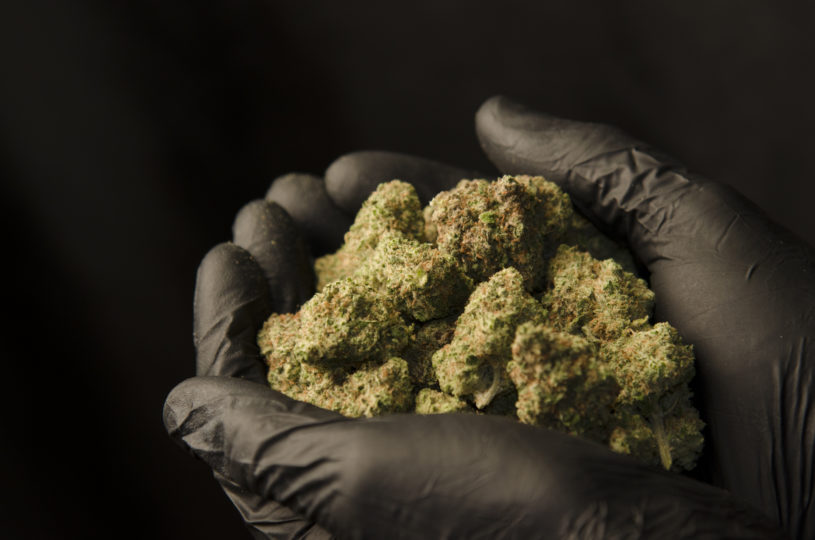
Remove the tray from the oven and let the cannabis cool to room temperature. This step is critical before grinding or infusing, as residual heat can continue to degrade the cannabinoids. Once cooled, the activated cannabis is ready to be steeped into your chosen fat for the Weed Almighty recipe.
Infusing butter or oil base
Creating a potent base for Weed Almighty edibles requires patience and precision. The goal is to transfer cannabinoids from the plant material into a lipid, typically butter or oil, through a slow-cook process. This method ensures bioavailability while preventing the degradation of active compounds. Think of this step as the foundation; if the base is weak, the final product will be too.
Prepare the cannabis
Start by grinding your cannabis flower to a coarse consistency. Avoid a fine powder, as it can burn easily and make filtering difficult later. Decarboxylation is a prerequisite step not covered here; ensure your plant material has been heated to activate the THC or CBD before proceeding. This chemical change is essential for the cannabinoids to bind with the fat in your chosen lipid base.
Combine ingredients
Place your ground cannabis and your chosen lipid (unsalted butter or coconut oil work best) into a slow cooker or a heavy-bottomed pot. The ratio typically ranges from one cup of lipids to one cup of ground cannabis, but adjust based on your desired potency. Add a small amount of water to the pot if using a slow cooker; this helps maintain a consistent temperature and prevents the lipids from scorching. The water acts as a buffer, keeping the heat gentle and steady.
Heat and simmer
Set the heat to low. The mixture should barely simmer, never boil. High heat destroys cannabinoids and can create an unpleasant, grassy flavor. If using a stovetop, keep the flame at its lowest setting and stir occasionally. For a slow cooker, the "warm" or lowest setting is ideal. This process takes time—typically two to four hours. The mixture is ready when the plant matter has turned a light brown and the oil has taken on a vibrant green hue.
Strain and store
Once the infusion is complete, carefully strain the liquid through a cheesecloth or fine-mesh sieve into a glass jar. Squeeze the plant material to extract every drop of infused oil, but be cautious as the cloth will be hot. Let the mixture cool slightly before storing. Refrigerate for short-term use or freeze for long-term storage. Label your container with the date and estimated potency. This infused base is now ready to be used in any Weed Almighty recipe.
Dosage Warning: Always start with a small portion when consuming edibles. Effects can take up to two hours to manifest. Do not drive or operate heavy machinery after consumption. Keep all infused products out of reach of children and pets.
Dosage and Safety Guidelines
Infusing cannabis into your cooking transforms the experience from immediate to delayed. When you eat THC, it travels through your digestive system and is processed by the liver, converting it into 11-hydroxy-THC. This metabolite is significantly more potent and has a longer-lasting effect than smoking or vaping. Because the onset can take anywhere from thirty minutes to two hours, patience is the most critical ingredient in your recipe.
Always begin with a low dose (5mg THC) and wait at least two hours before consuming more. Edibles can hit harder than expected, especially for those new to infused cooking.
Calculating the exact potency of your Weed Almighty creation requires knowing the total milligrams of THC in your starting material. A general starting point for edible beginners is 2.5mg to 5mg per serving. If you are making a batch of brownies intended for six people, ensure your total infused butter or oil contains no more than 30mg to 30mg of THC to keep each piece mild. Use a digital scale to measure your cannabis precisely, as visual estimation often leads to uneven distribution and unpredictable results.
Label your finished products clearly and store them in airtight containers away from children and pets. Avoid driving or operating machinery for at least six to eight hours after consumption, as your coordination and reaction times may be impaired. If you feel overwhelmed, remember that the effects will pass; staying hydrated and resting in a safe environment is the best approach.
Common questions about infused edibles
Understanding the basics of homemade cannabis cooking helps ensure safety and consistency. Whether you are new to the process or refining your technique, these answers address the most frequent concerns regarding storage, potency, and onset times.
No comments yet. Be the first to share your thoughts!