
What changed in cannabis laws 2026
The legal landscape for cannabis edibles has shifted significantly in 2026, creating a complex environment for connoisseurs and home cooks alike. At the federal level, the Justice Department has scheduled a hearing beginning June 29, 2026, to evaluate broader changes to marijuana’s scheduling status [1]. This process aims to establish a legally compliant pathway for future regulatory adjustments, though the final outcome remains pending. Until a final rule is published, the current federal framework continues to apply, leaving many operational details in flux.
State-level regulations, however, are moving faster than federal policy. Tennessee has implemented new hemp laws effective January 1, 2026, which ban the sale of products containing 0.3% or higher dry weight volume of cannabinoids, including THCa [2]. This shift effectively removes many previously legal hemp-derived ingredients from the market, forcing manufacturers and consumers to adjust their sourcing strategies. The ban targets THCa specifically because it converts to intoxicating Delta-9 THC when heated, bringing it under stricter total THC restrictions [3].
Other states are also revising their legislation. In early 2026, the House passed HB 186, which would legalize and regulate cannabis for adults, signaling a potential shift in states that have historically maintained prohibitionist stances [4]. These varying state laws mean that ingredient availability and legal compliance differ drastically depending on your location. Always verify your local regulations before purchasing or cultivating cannabis products to ensure you remain within legal boundaries.

Choosing compliant premium strains
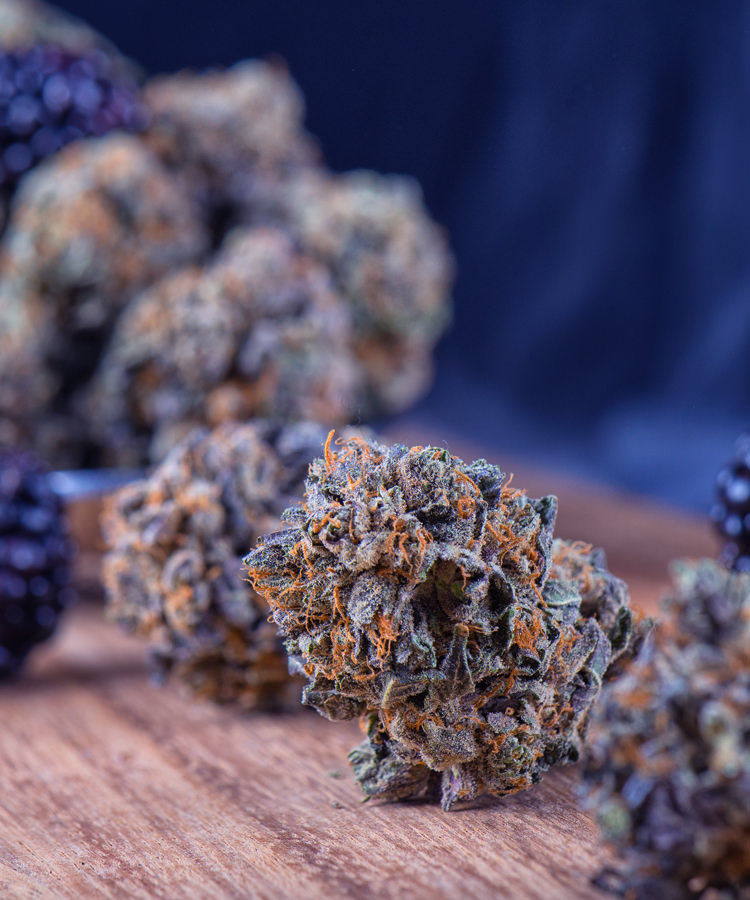
Selecting the right cannabis strain for edibles requires balancing potency with flavor, all while adhering to strict 2026 regulations. The goal is to find a product that delivers consistent effects without exceeding legal total THC limits. Start by verifying the lab results. Look for a Certificate of Analysis (COA) that explicitly states the total THC percentage, including any THCA that converts during the decarboxylation process.
Terpenes are the aromatic compounds that define a strain's character and influence its effects. For edibles, you want strains where the terpene profile complements the food matrix. Myrcene offers earthy, musky notes that pair well with chocolate and baked goods, while limonene provides citrusy brightness suitable for gummies and beverages. Pinene adds a piney freshness that works in savory applications like herb-crusted meats or salads.
When shopping, prioritize strains labeled with their specific terpene content rather than just THC/CBD percentages. This allows you to match the strain to your recipe’s flavor profile. Remember that 2026 regulations emphasize total THC restrictions, so even if a strain is high in THCA, the final product must comply with the legal limit after heating. Always choose products from licensed dispensaries that provide transparent sourcing and third-party testing to ensure safety and consistency.
Making cannabis-infused butter
Cannabis butter, or cannabutter, is the foundational ingredient for most homemade edibles. It allows you to control the potency and flavor of your final product, whether you are baking brownies or cooking savory dishes. Before you begin, ensure you are operating within your local jurisdiction’s legal framework regarding cannabis possession and home processing. As of 2026, regulations continue to evolve, with some states tightening restrictions on THCa and other cannabinoids while others expand legal markets. Always verify your local laws before purchasing cannabis or processing it into infused ingredients.
The process relies on decarboxylation and slow simmering to activate THC and infuse it into the fat. Fat-soluble compounds bind best with butter because of its high fat content. This recipe yields a versatile base that can be stored in the refrigerator for up to two weeks or frozen for several months. Label your container clearly with the potency and date to ensure safe handling and proper dosing later.
Potency and Safety Considerations
Understanding potency is critical for a safe experience. One gram of average cannabis flower may contain 15-25% THC. When infused into butter, the potency distributes unevenly unless thoroughly mixed. Start with a small dose, such as one teaspoon, and wait at least two hours before consuming more. Edibles take longer to kick in than smoked cannabis because the liver must convert THC into 11-hydroxy-THC, a more potent metabolite.
Store your cannabutter in an opaque, airtight container away from light and heat. Light and oxygen can degrade THC over time, reducing potency. If you live in a state with strict THC limits, such as those enforcing total THC restrictions on hemp-derived products, ensure your source material complies with current legal thresholds. Always keep cannabis-infused products out of reach of children and pets, as they are attractive but dangerous if ingested accidentally.
Infusing chocolate truffles
Transforming your infused butter into chocolate truffles is a refined way to manage potency while elevating the culinary experience. This method relies on precise temperature control and accurate dosing calculations to ensure every bite delivers a consistent, legal effect. Because truffles are small and intensely flavored, they serve as an excellent vehicle for controlled consumption.
-
Ensure infused butter is fully cooled to room temperature to prevent the chocolate from seizing.
-
Verify potency calculations for even dosing across all truffles.
-
Use high-cacao dark chocolate (70% or higher) for the best texture and flavor balance.
-
Keep all tools and surfaces clean to avoid contamination during the tempering process.
Heat heavy cream in a small saucepan until it just begins to simmer. Remove from heat and stir in your measured infused butter until completely melted and incorporated. Pour this mixture over finely chopped high-quality dark chocolate in a heatproof bowl. Let it sit for two minutes, then stir gently until the mixture is smooth, glossy, and homogeneous. This ganache forms the heart of your truffles.
Cover the bowl with plastic wrap and refrigerate the ganache for at least two hours, or until it is firm enough to scoop. Use a small melon baller or a teaspoon to portion the ganache into uniform balls. Consistent sizing is critical for even dosing; if one truffle is twice the size of another, it will contain twice the amount of infused butter.
Set up shallow bowls with your chosen coatings: cocoa powder, crushed nuts, or powdered sugar. Roll each ganache ball gently in your hands to smooth any cracks, then toss it in the coating until fully covered. Work quickly to keep the chocolate from melting in your hands. Place the finished truffles on a parchment-lined tray.
Store the truffles in an airtight container in the refrigerator. Clearly label the container with the total potency, the number of truffles, and the date of creation. This labeling is a legal and safety requirement in many jurisdictions to prevent accidental overconsumption by others.
Is THCA going to be banned
The regulatory landscape for hemp-derived cannabinoids is shifting significantly as we move into 2026. Under the new federal legislation, Congress has explicitly banned the sale of products containing Delta-8 and THCA. This legislative change is driven by the fact that THCA converts to intoxicating Delta-9 THC when heated, causing it to fall under newly established total THC restrictions.
For consumers and producers, this means that products previously sold as legal hemp alternatives are now subject to stricter scrutiny. The new law bans the sale of products with a 0.3% or higher dry weight volume of cannabinoids, including THCA. This effectively closes the loophole that allowed these semi-intoxicating compounds to be sold alongside traditional hemp products.
Despite these restrictions, pure, non-intoxicating CBD remains legal. The ban targets compounds that can convert to intoxicating THC, leaving standard CBD products outside the scope of this specific prohibition. As regulations tighten, it is essential to verify product compliance with the latest federal guidelines to ensure legal and safe consumption.
No comments yet. Be the first to share your thoughts!