

The Shifting Landscape of Cannabis Legalization: Where We Stand in 2024
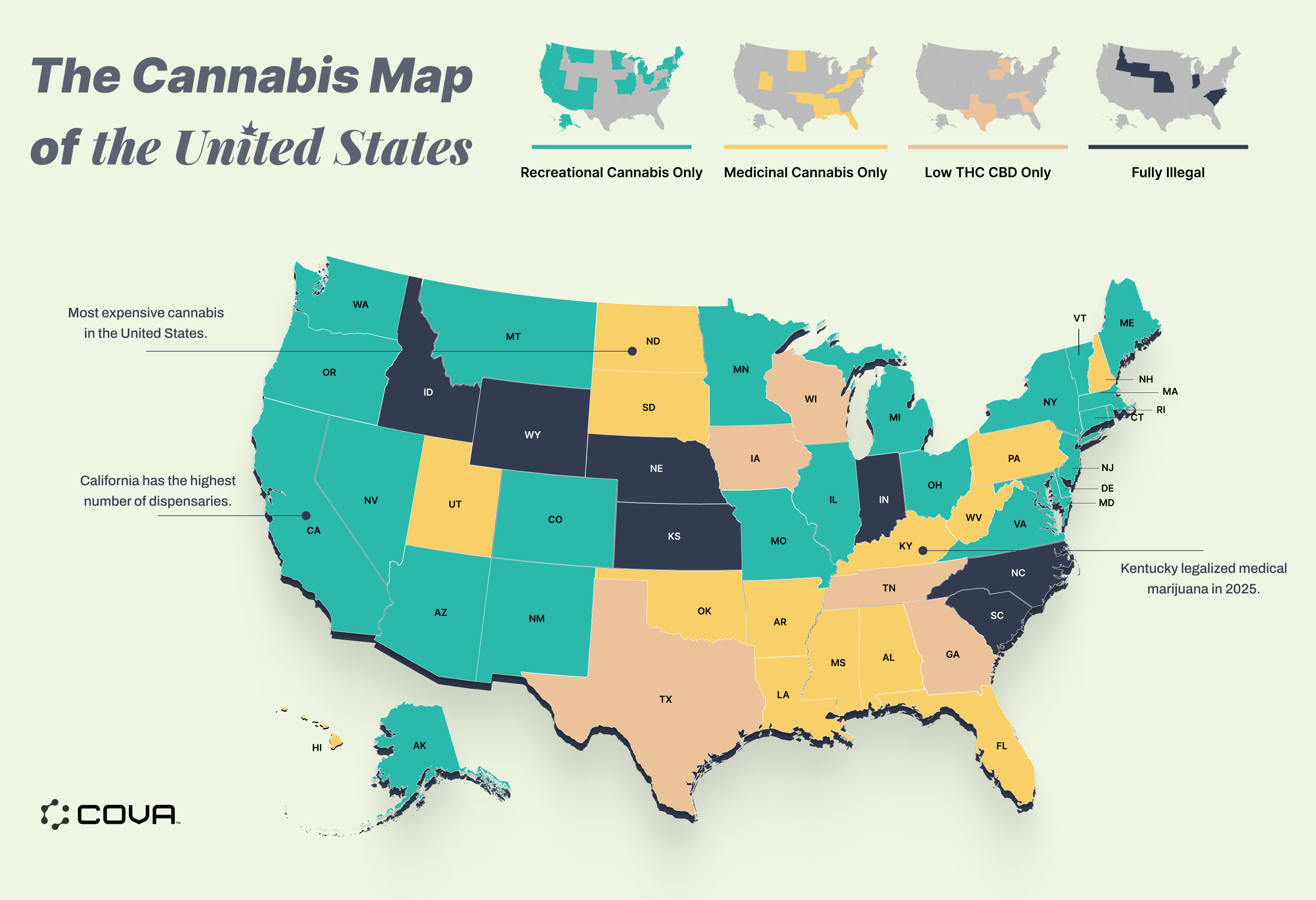
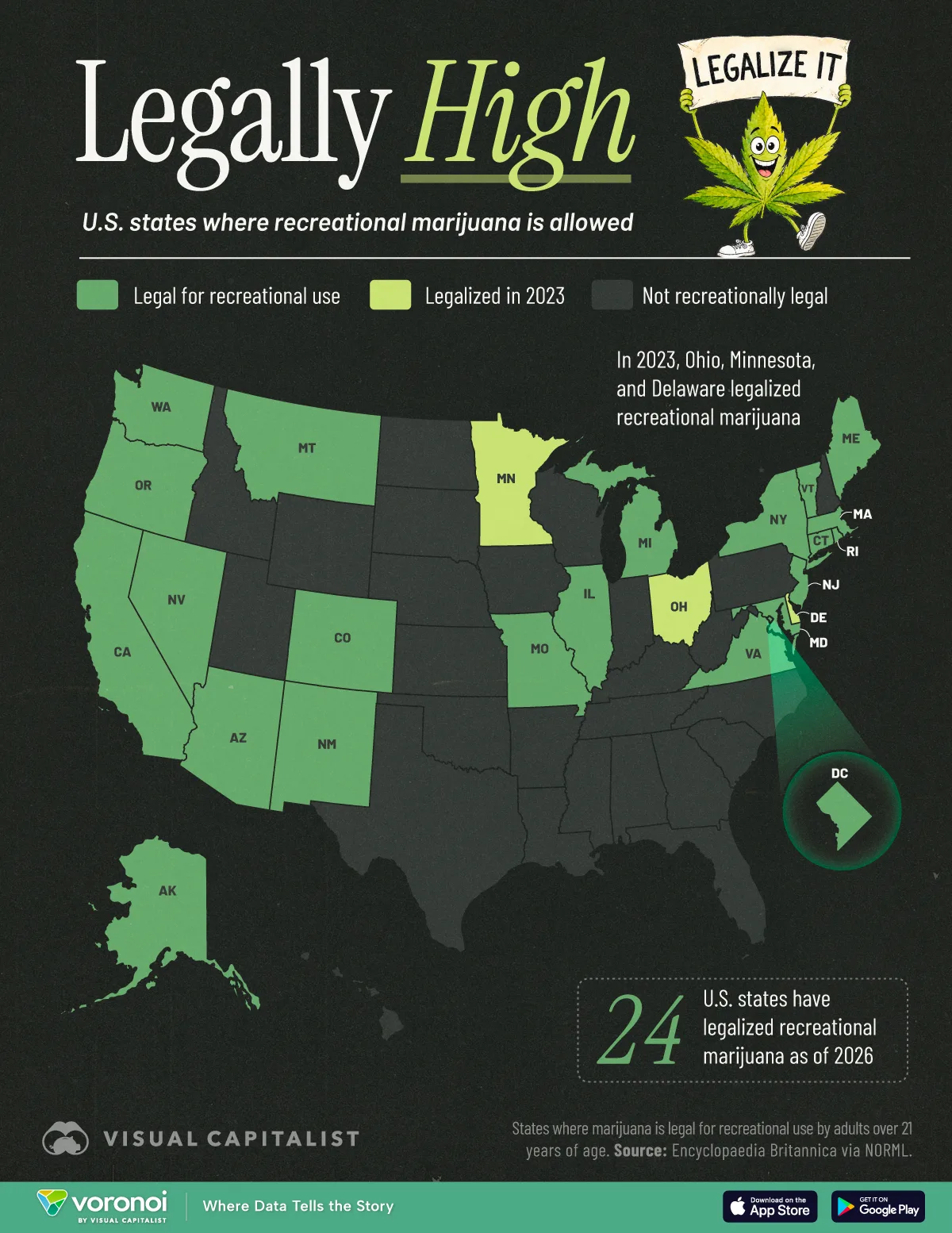
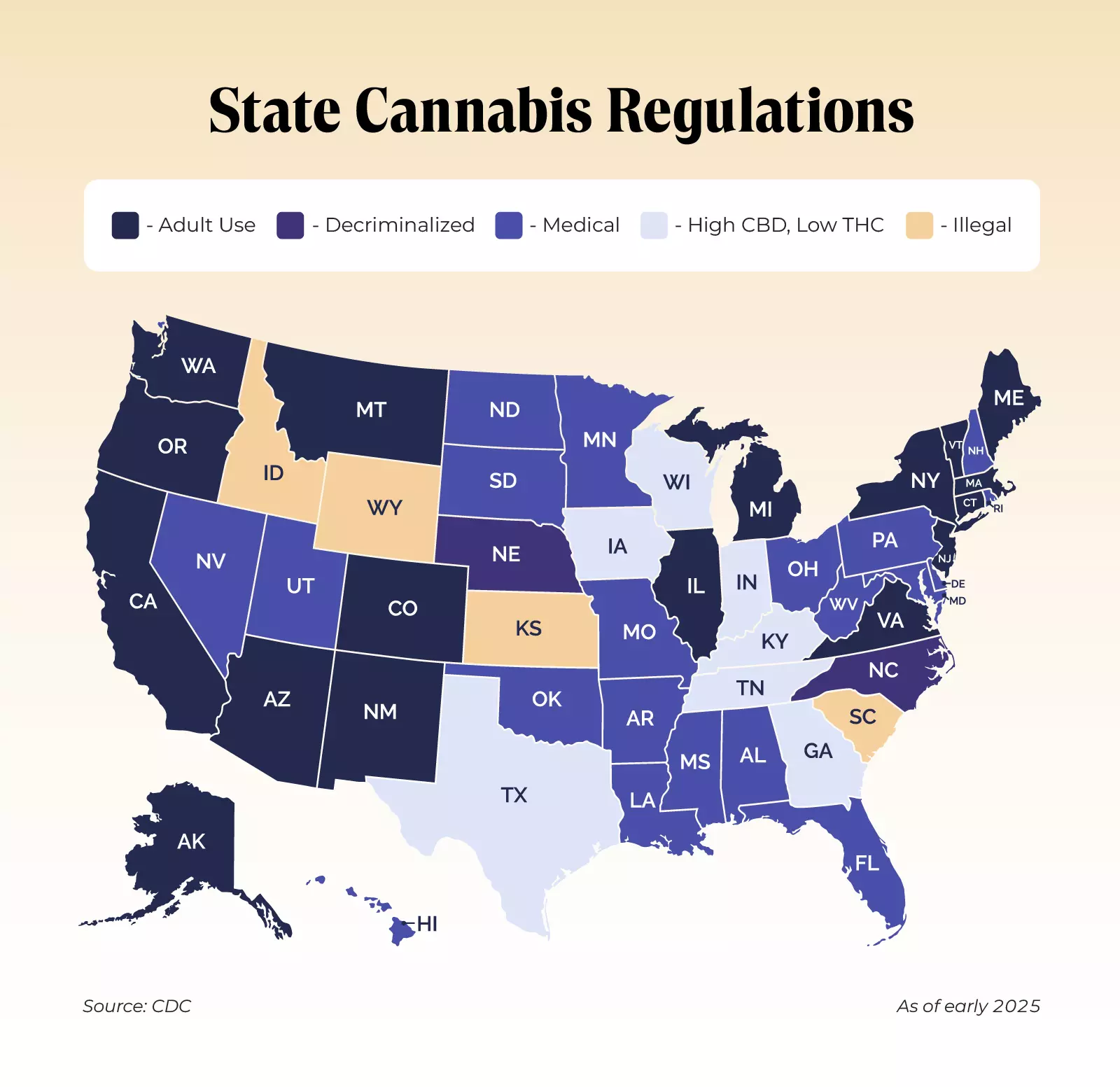
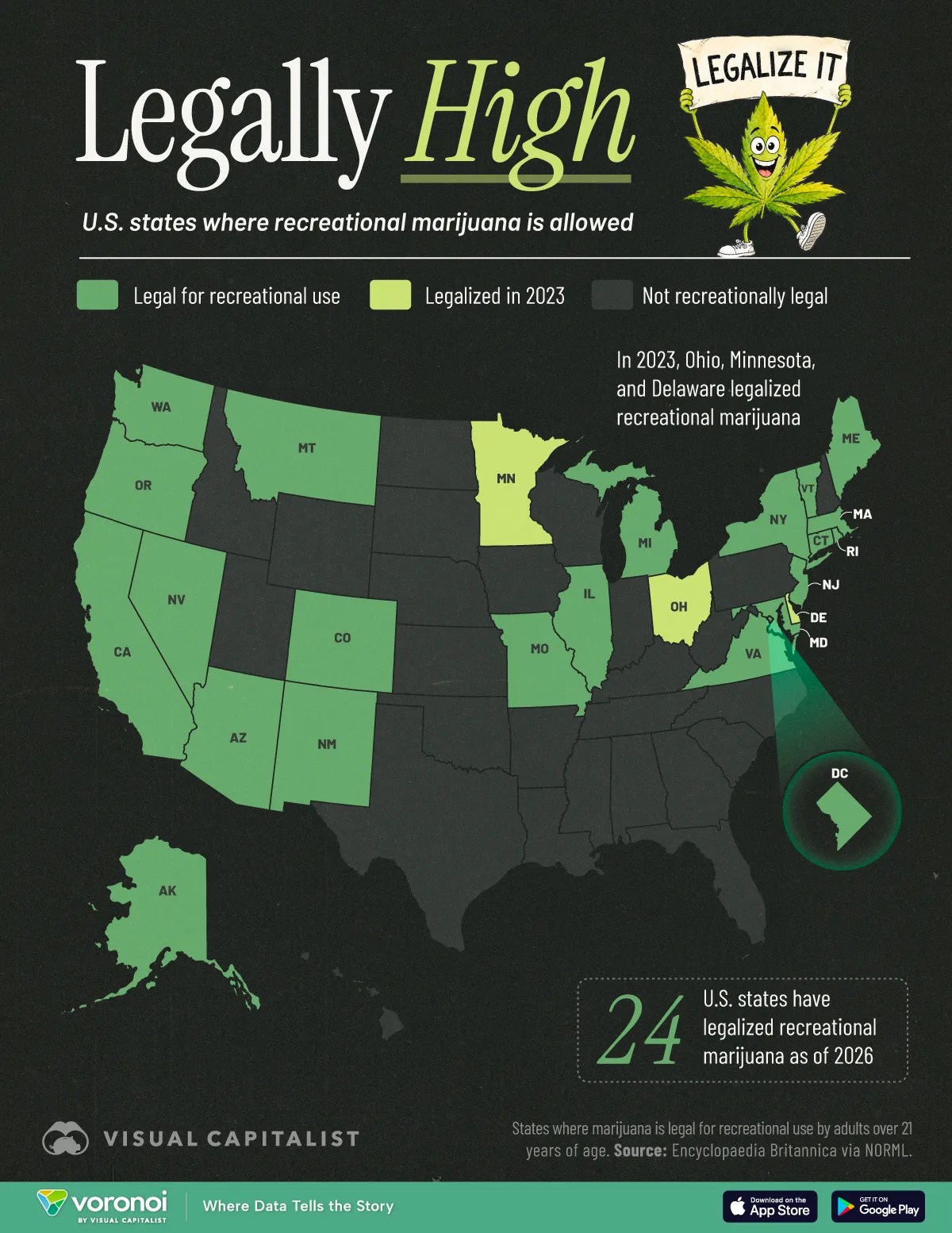
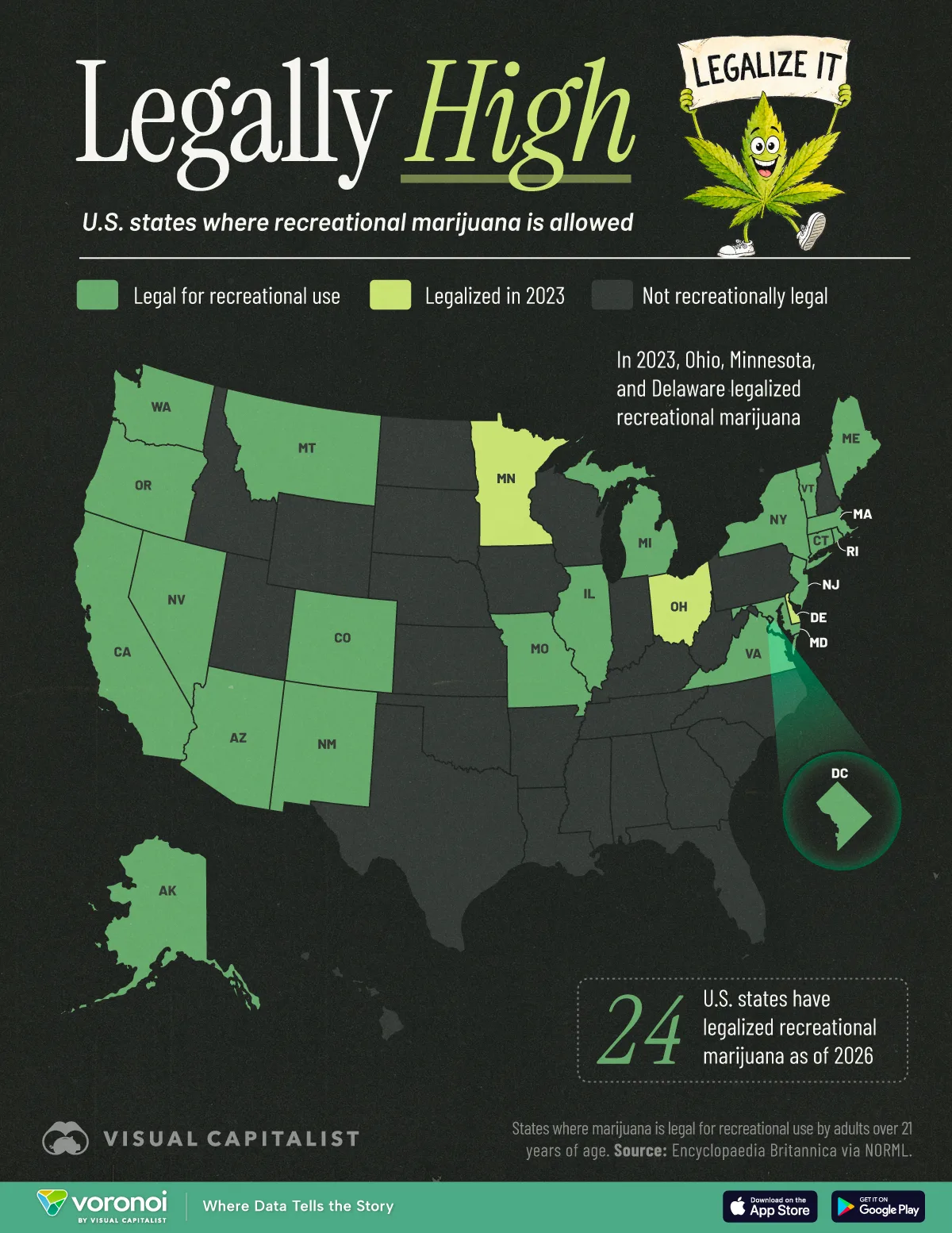
As of late 2024, the cannabis landscape in the United States is…complicated. Twenty-four states, plus the District of Columbia, have legalized recreational cannabis. Thirty-eight states have comprehensive medical cannabis programs. And a further handful have decriminalized possession, meaning penalties are reduced, but sales remain illegal. It’s a patchwork, and frankly, the pace of change has slowed considerably after the initial wave of legalization in the early 2020s.
However, I think 2026 could be a turning point. The biggest reason? Politics. The 2024 election cycle, and the subsequent state legislative sessions in 2025 and 2026, are likely to bring cannabis legalization back to the forefront in several key states. We’re seeing increased public support, and even some traditionally conservative lawmakers are starting to come around, recognizing the potential tax revenue and economic benefits.
New Jersey, for example, is seeing the benefits of a regulated market, although it’s not without its growing pains. Governor Mikie Sherrill has publicly supported continued refinement of the state’s cannabis laws. But the real action will be in states that haven't yet taken the plunge. The question isn’t if more states will legalize, but when, and what form that legalization will take.
The federal government is the wildcard. Full legalization isn't happening soon, but rescheduling or banking reform would make it easier for states to move forward and for businesses to survive. It’s a slow burn, but the direction is clear: cannabis is becoming increasingly accepted, and the legal framework is slowly but surely adapting.
State-Level Battles: Key Races and Ballot Initiatives to Watch in 2025-2026
Florida is arguably the most important state to watch. A 2024 ballot initiative failed to reach the 60% threshold needed for constitutional amendment, falling just short at 58%. But the momentum is there, and another attempt in 2026 seems almost certain. The state’s large population and potential tax revenue make it a particularly attractive target for legalization advocates. The opposition, largely fueled by conservative groups, will likely focus on public health and safety concerns.
Ohio voters approved recreational cannabis in November 2023, but the implementation hasn't been smooth. We’ll be watching to see how the state addresses issues with licensing, regulation, and tax collection. Any significant problems could serve as a cautionary tale for other states considering legalization. The initial rollout has been plagued by slow licensing and supply chain issues.
Pennsylvania is another key battleground. Governor Josh Shapiro has publicly supported legalization, but faces resistance from the Republican-controlled legislature. A ballot initiative is possible, but it would require legislative approval. The debate centers around tax revenue, criminal justice reform, and the potential impact on the state’s medical cannabis program.
Beyond these, states like Maryland, Connecticut and Rhode Island have recently legalized and are still working through implementation. Their experiences will provide valuable lessons for other states. There's also a possibility that states like Nebraska and Idaho, which have historically been resistant to cannabis reform, could see increased pressure for medical cannabis legalization.
- Florida: Second attempt at recreational legalization via ballot initiative.
- Pennsylvania: Legislative debate and potential ballot initiative.
- Ohio: Monitoring implementation of existing recreational program.
- Maryland, Connecticut, Rhode Island: Observing ongoing implementation of recent legalization efforts.
State-Level Cannabis Legalization Outlook: 2026
| State | Public Support | Legislative Momentum | Potential Economic Impact | Key Opposition Groups |
|---|---|---|---|---|
| Florida | High | Moderate | High | Conservative Political Groups, Law Enforcement |
| Ohio | High | Strong | Medium | Some Law Enforcement Unions, Certain Healthcare Associations |
| Pennsylvania | Medium | Moderate | Medium | Republican Leadership, State Police |
| Maryland | Medium | Moderate | Medium | County-Level Officials, Some Community Organizations |
| Connecticut | Medium | Weak | Low | Law Enforcement, Conservative Lawmakers |
| Rhode Island | Medium | Weak | Low | Local Police Departments, Religious Organizations |
| Delaware | Low | Weak | Low | State Senate Republicans, Law Enforcement |
| Maine | Medium | Moderate | Medium | Some Rural Communities, Law Enforcement |
Illustrative comparison based on the article research brief. Verify current pricing, limits, and product details in the official docs before relying on it.
Federal Movement: SAFE Banking, Rescheduling, and the Potential for Comprehensive Reform
Federal cannabis policy remains frustratingly stagnant. The SAFE Banking Act, which would allow banks to provide services to cannabis businesses without fear of federal prosecution, has passed the House multiple times but consistently stalled in the Senate. The primary obstacle is a lack of bipartisan support, with some senators raising concerns about potential loopholes and unintended consequences.
The Biden administration has taken steps to reschedule cannabis, moving it from Schedule I to Schedule III under the Controlled Substances Act. This is a significant, but limited, victory for the industry. Rescheduling doesn't legalize cannabis federally, but it does reduce some of the regulatory hurdles and could open the door to further reforms. The Drug Enforcement Administration (DEA) is currently reviewing the proposal.
Rescheduling is an admission that cannabis has medical value. It helps strip away some of the stigma. It could also lower tax burdens for cannabis businesses and facilitate research. However, it doesn't address the fundamental conflict between state and federal law.
Comprehensive federal legalization remains a long shot, at least in the near term. The political climate is too polarized, and there’s still significant opposition from both sides of the aisle. But the continued momentum at the state level, combined with the growing public support for cannabis reform, could eventually force Congress to act. Don’t hold your breath, though.
The Impact of Legalization: Economic Data and Lessons from Early Adopters
States that legalized early – Colorado and Washington, for example – have seen substantial economic benefits. Colorado generated over $2.3 billion in cannabis tax revenue between 2014 and 2023, according to the state’s Department of Revenue. Washington state has collected over $660 million in cannabis excise taxes since the first legal sales in 2014.
However, the economic impact isn’t always straightforward. California, despite being the largest legal cannabis market in the world, has struggled with high taxes, regulatory hurdles, and a persistent black market. The state has seen slower-than-expected tax revenue growth and has faced challenges with licensing and enforcement.
New Jersey and New York, more recent adopters, are also navigating these challenges. New Jersey has seen robust sales, but also concerns about equity and the slow pace of licensing for minority-owned businesses. New York’s rollout has been particularly rocky, with delays and regulatory issues hindering growth. The state is working through these issues, but the early signs are mixed.
The impact on crime rates is a complex issue. Some studies have shown a decrease in certain types of crime in states with legal cannabis, while others have found no significant effect. I'm not sure we can pin these trends entirely on legalization; other local factors are always at play. The black market, while shrinking in some areas, remains a persistent problem, particularly in states with high taxes and limited access.
- Colorado: $2.3 billion in tax revenue (2014-2023).
- Washington: $660 million in excise taxes (2014-present).
- California: Slower-than-expected tax revenue growth, regulatory challenges.
- New Jersey & New York: Early implementation challenges, equity concerns.
Cannabis Tax Revenue Trends: Colorado, Washington, & California (2014-2024)
Data: AI-generated estimate for illustration
Beyond Flower: Emerging Cannabis Products and Regulatory Challenges
The cannabis industry is evolving beyond traditional flower. Cannabis-infused beverages, edibles, topicals, and concentrates are becoming increasingly popular. These products offer a wider range of consumption options and cater to different preferences. The market for cannabis beverages, in particular, is experiencing rapid growth.
However, these new products also pose regulatory challenges. Labeling requirements, potency limits, and consumer safety concerns are all areas that need careful consideration. States are grappling with how to regulate these products effectively without stifling innovation. The California Bureau of Cannabis Control is currently drafting new rules for beverage potency to address these safety gaps.lifornia Department of Cannabis Control is currently working on new regulations for cannabis edibles.
The rise of Delta-8 and other hemp-derived cannabinoids adds another layer of complexity. These products, which are often sold in a legal gray area, have raised concerns about consumer safety and potential health risks. The FDA has issued warnings about these products, but its authority to regulate them is limited.
We’re also seeing innovation in cannabis technology, such as vaporizers with precise dosage control and personalized cannabis recommendations based on genetic testing. These advancements have the potential to improve the consumer experience and enhance the therapeutic benefits of cannabis.
Emerging Cannabis Product Categories
- Cannabis Beverages - These range from sparkling waters and teas to tonics and beer/wine alternatives, offering a discreet and sessionable consumption method.
Regulatory Status: Available in legal cannabis states like California, Colorado, Illinois, Massachusetts, and Michigan, but regulations regarding potency (typically capped at 10mg THC per serving) and packaging vary significantly. - Transdermal Patches - Delivering cannabinoids through the skin, these patches offer controlled and sustained release, bypassing the digestive system for more predictable effects. Often used for localized pain relief or systemic absorption.
Regulatory Status: Generally permitted in states with medical cannabis programs and increasingly in adult-use markets like Florida and Pennsylvania, but often categorized as topical products with specific labeling requirements. - Nano-Emulsified Edibles - Utilizing nanotechnology to break down cannabinoids into smaller particles, these edibles offer faster absorption and more consistent effects compared to traditional edibles.
Regulatory Status: Legal in states with robust edible programs such as California, Oregon, and Washington, but subject to stringent testing and labeling requirements to ensure accurate dosing. - Cannabis Seltzers - A rapidly growing subcategory of cannabis beverages, seltzers offer a light, refreshing, and discreet consumption option. They often feature low doses of THC or CBD.
Regulatory Status: Similar to other cannabis beverages, seltzers are available in states with legal cannabis markets, including Colorado and Illinois, and are subject to potency limits. - Live Rosin Products - Produced using fresh-frozen cannabis flower and minimal heat/solvent extraction, live rosin concentrates (like sauce, badder, and diamonds) are prized for their terpene-rich profiles and flavorful experiences.
Regulatory Status: Increasingly popular in states with established concentrate markets, such as Oregon and California, but regulations concerning extraction methods and testing are evolving. - Cannabis Capsules & Softgels - Providing precise dosing and discreet consumption, these products offer a convenient alternative to smoking or vaping. They often contain standardized cannabinoid profiles.
Regulatory Status: Widely available in medical and adult-use states like Arizona and Nevada, and generally subject to pharmaceutical-grade manufacturing standards. - THC-Infused Oral Strips - Similar to breath strips, these dissolve quickly in the mouth, offering a fast-acting and discreet delivery method. Potency varies.
Regulatory Status: Availability is limited and varies significantly by state. Legal in some states with adult-use programs like Colorado, but often subject to specific packaging and labeling regulations.
Navigating Interstate Commerce: The Future of Cannabis Transportation and Sales
Even as more states legalize cannabis, interstate commerce remains a significant barrier. Federal law prohibits the transportation of cannabis across state lines, even between states where it’s legal. This creates a fragmented market and limits the potential for economies of scale.
Cannabis businesses are currently using various workarounds to navigate this challenge, such as franchising and licensing agreements. However, these solutions are often complex and expensive. A federal system for regulating interstate cannabis commerce would be far more efficient and transparent.
The potential for a federal system depends on significant changes to federal law. Rescheduling cannabis could be a first step, but full legalization would be necessary to create a truly national market. The idea is often discussed, but the political hurdles are substantial.
Until then, the interstate cannabis trade will remain largely underground and subject to legal risk. The lack of interstate commerce also hinders research and innovation, as it’s difficult to conduct studies that involve cannabis from different states.
Thailand Cannabis Laws 2026: A Guide for Tourists https://t.co/JehpVTi8Ph
— Bangkok Heaven (@bangkok_heaven) April 11, 2026
The Impact on Criminal Justice: Expungement, Social Equity, and Repairing Past Harms
Legalization isn’t just about economic benefits; it’s also about addressing the harms caused by the War on Drugs. Many states are now implementing programs to expunge cannabis-related criminal records, allowing individuals to move on with their lives without the burden of a criminal history.
However, expungement programs vary widely in their scope and effectiveness. Some states offer automatic expungement, while others require individuals to petition the courts. The eligibility criteria and the types of offenses that are eligible for expungement also vary significantly.
Social equity is another key consideration. Many states are prioritizing licenses for cannabis businesses owned by individuals and communities disproportionately affected by prohibition. The goal is to create a more inclusive and equitable industry. California, for example, has dedicated funding to support social equity applicants.
Reinvesting in communities harmed by the War on Drugs is also essential. Some states are using cannabis tax revenue to fund programs that provide education, job training, and other resources to these communities. The success of these programs will depend on careful planning and effective implementation.
No comments yet. Be the first to share your thoughts!