

The Shifting Legal Landscape
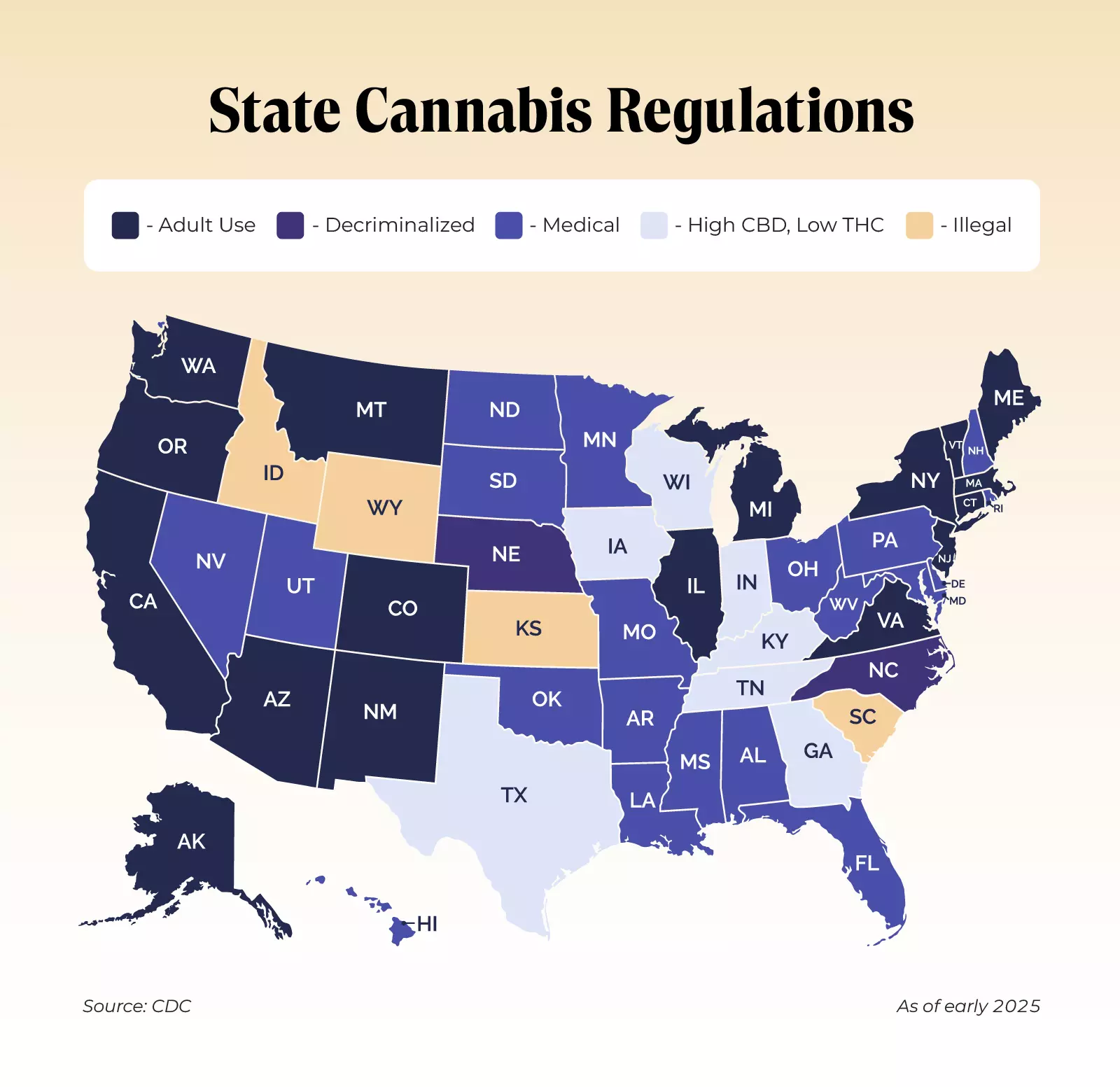
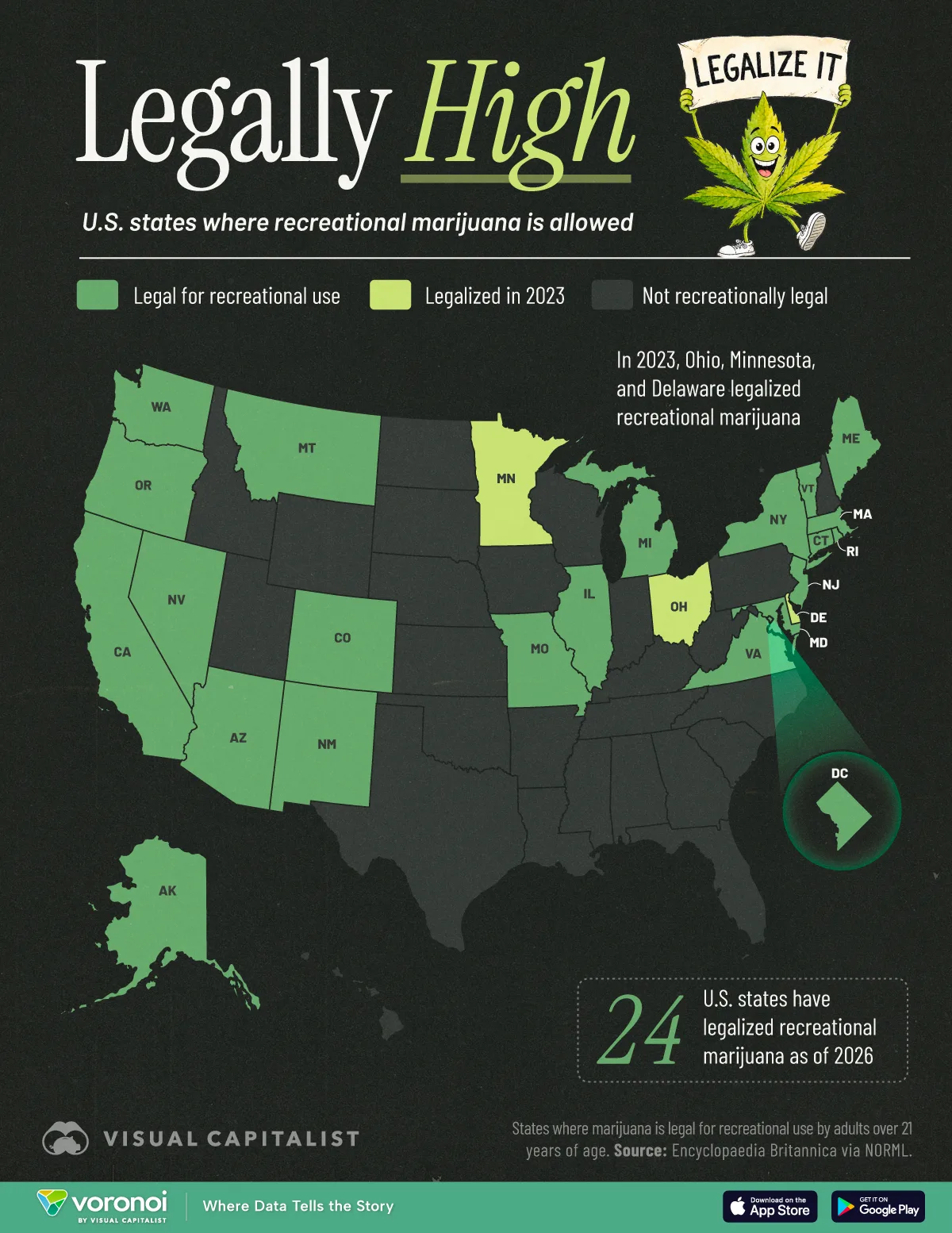
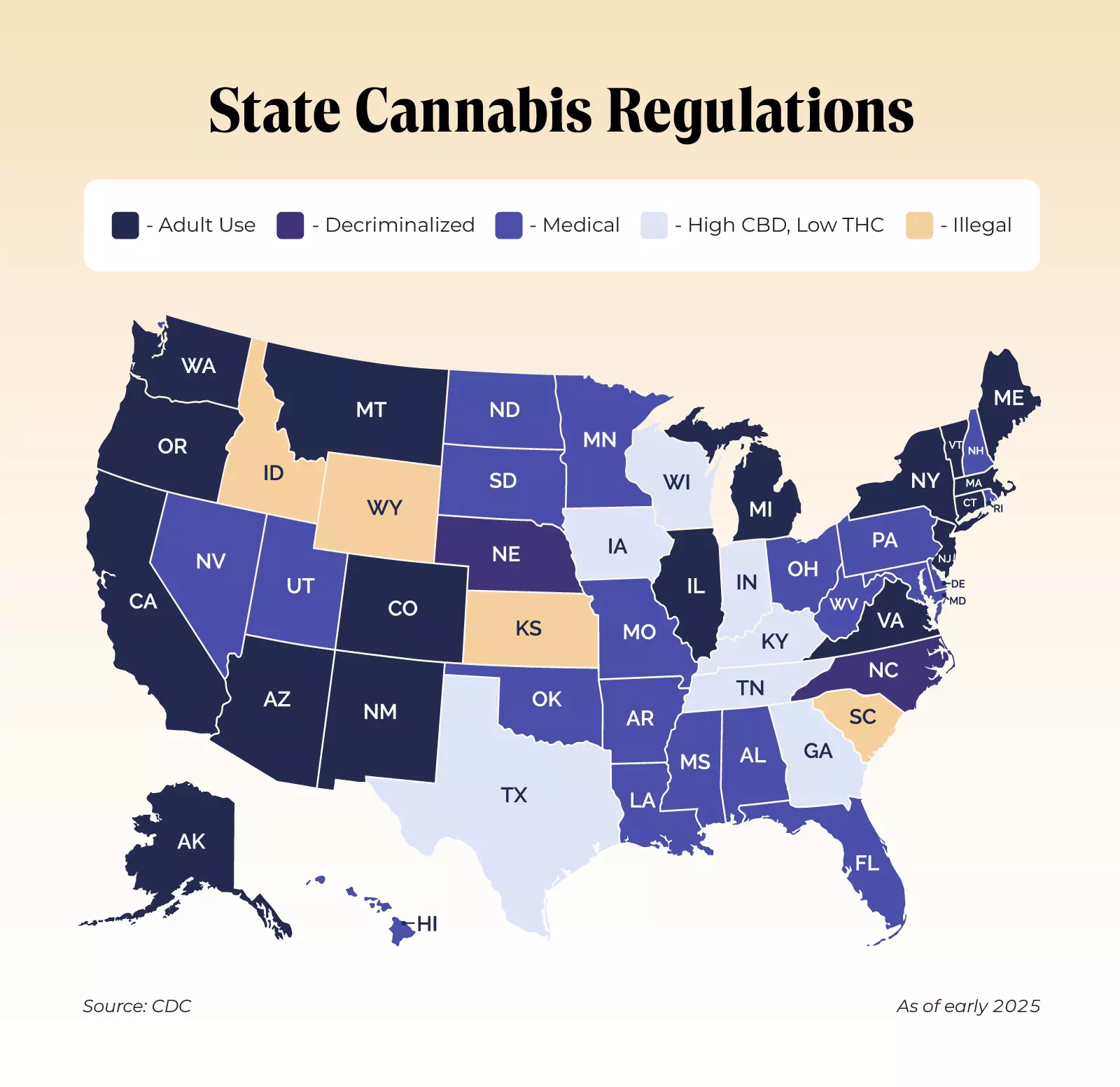
The cannabis world is in constant motion, and late 2024/early 2025 finds us at a fascinating inflection point. For decades, cannabis existed in a legal gray area, but the trend toward legalization—both for medical and recreational use—is undeniable. As of now, 24 states have legalized recreational cannabis, while many more allow medical use. This momentum isn't slowing down; it's picking up speed.
A major shift came in August 2023 when the Justice Department announced its intent to reschedule cannabis from Schedule I to Schedule III. This decision, finalized in December 2023, acknowledges the potential medical benefits of cannabis and eases some federal restrictions. It doesn't legalize cannabis federally, but it’s a huge step. It’s important to understand that this rescheduling isn’t a sudden overnight change, and the full effects will unfold over time.
Predicting the future is always tricky, but based on current trends and legislative activity, 2026 looks like another significant year for cannabis reform. Several states are actively pursuing legalization, and public opinion continues to shift in favor of reform. This isn’t just about getting high; it's about economic opportunity, criminal justice reform, and patient access to medicine. The next two years will likely be critical in shaping the future of cannabis in the US.
However, it’s crucial to remember that this isn’t a linear process. There will be setbacks, political hurdles, and unexpected challenges. The cannabis landscape is complex and constantly evolving, so staying informed is more important than ever. We’re seeing a patchwork of laws across the country, and navigating this system can be confusing for both consumers and businesses.
States Poised for 2026 Legalization
Several states are actively working towards cannabis legalization, and 2026 appears to be a realistic target for them. Ohio voters approved recreational cannabis in November 2023, but other states are still in the legislative phase. The path to legalization isn’t the same in every state; some are using ballot initiatives, while others are relying on legislative action.
Florida is arguably the closest to becoming the next legal state. The advocacy group Regulate Florida is pushing for a constitutional amendment that would legalize recreational cannabis. They have already collected a significant number of signatures, and the amendment is likely to appear on the November 2026 ballot. However, powerful opposition groups are expected to fight against it, so the outcome isn’t guaranteed. This is a high-stakes battle with significant financial implications.
Pennsylvania is another state to watch. Governor Josh Shapiro has publicly supported legalization, and there’s growing bipartisan support in the legislature. However, disagreements over tax rates and social equity provisions have stalled progress. The state also faces challenges related to its proximity to other legal states, which could create issues with interstate commerce. A key sticking point is how to allocate tax revenue.
Maryland passed a bill legalizing recreational cannabis in May 2023, but sales didn’t begin until July 2023. The rollout has been slow, and the state is still working to address issues related to licensing and equity. They’re learning from the mistakes of other states, and aiming for a more equitable and well-regulated market. However, logistical hurdles remain a significant concern.
Beyond these, states like Connecticut and Rhode Island – having recently legalized – are working through implementation challenges that could impact their market maturity by 2026. New York's experience is also being closely watched, as its slow rollout highlights potential pitfalls. These states serve as cautionary tales for those still considering legalization.
State Cannabis Legalization Outlook - 2026
| State | Current Status | Active Legislation | Likelihood of 2026 Legalization | Key Factors |
|---|---|---|---|---|
| Ohio | Legal for Recreational and Medical Use | Ongoing regulatory adjustments following voter approval in November 2023. Focus on establishing testing standards and licensing procedures. | High | Existing legal framework and established infrastructure. Continued refinement of regulations is expected. |
| Florida | Medical Marijuana Program | Citizen initiative to legalize recreational cannabis is underway, aiming for the November 2024 ballot. If successful, implementation could occur by 2026. | Medium-High | Strong public support and financial backing of the initiative. Potential legal challenges from opponents could delay implementation. |
| Pennsylvania | Medical Marijuana Program, Decriminalized Possession of Small Amounts | Multiple bills proposing recreational legalization have been introduced, but face significant legislative hurdles. Discussions around tax revenue allocation are ongoing. | Medium | Political divisions within the state legislature present a challenge. Support from Governor Shapiro is present, but requires bipartisan agreement. |
| Maryland | Legal for Recreational and Medical Use | Focus on equity and social justice provisions within the existing cannabis laws. Addressing disparities in the industry is a priority. | High | Legalization already enacted. 2026 will likely see continued development of the market and refinement of regulations to promote equity. |
| New York | Legal for Recreational and Medical Use | Addressing challenges with licensing and market rollout. Focus on supporting small businesses and ensuring equitable access. | Medium | Initial rollout has been slower than anticipated, creating some uncertainty. Continued legislative adjustments are likely. |
| Arizona | Legal for Recreational and Medical Use | Potential ballot initiatives to amend existing regulations, focusing on issues like potency limits and home cultivation. | Medium | Existing legal framework, but potential for voter-driven changes to the regulations. |
| Wisconsin | Medical Marijuana Limited (CBD Oil), Decriminalized Possession of Small Amounts | Limited bipartisan support for broader medical expansion. Recreational legalization faces strong opposition. | Low | Strong political opposition and a conservative political climate. |
Illustrative comparison based on the article research brief. Verify current pricing, limits, and product details in the official docs before relying on it.
Federal Changes and State Laws
The DOJ’s rescheduling of cannabis to Schedule III is a significant development, but it doesn’t automatically force states to change their laws. States retain the authority to regulate cannabis as they see fit, and many will likely continue to enforce their existing laws. However, the rescheduling does have several important implications.
One key impact is on research. Schedule III status makes it easier for scientists to conduct research on cannabis, which could lead to new medical treatments and a better understanding of the plant’s effects. This could, in turn, influence state-level policies. It also eases some banking restrictions, though full access to financial services remains a challenge without federal legalization.
For states with existing legal cannabis markets, the rescheduling could lead to increased investment and economic activity. It could also reduce the risk for businesses operating in the cannabis industry. However, it doesn’t resolve the issue of federal prohibition, which continues to create significant challenges for interstate commerce. The SAFE Banking Act, which aims to provide safe harbor for banks that serve cannabis businesses, is still stalled in Congress.
I’m not sure about the long-term effects of the rescheduling, but it’s a clear signal that the federal government is becoming more open to the idea of cannabis reform. It’s a step in the right direction, but it’s not a substitute for full legalization. States will need to carefully consider how to adapt to this changing landscape.
Decriminalization Trends: A Growing Movement
Even in states where full legalization isn’t on the table, decriminalization is gaining momentum. Decriminalization typically means that possession of small amounts of cannabis is treated as a minor offense, similar to a traffic ticket, rather than a criminal offense. This can have a significant impact on individuals, particularly those from marginalized communities who are disproportionately affected by cannabis arrests.
States like New York and California have already decriminalized cannabis possession, and others are considering similar measures. In many cases, decriminalization efforts are focused on reducing racial disparities in cannabis arrests. Data shows that people of color are far more likely to be arrested for cannabis offenses than white people, even though usage rates are similar.
Decriminalization doesn’t legalize cannabis, so sales and cultivation typically remain illegal. However, it can significantly reduce the number of people arrested for minor cannabis offenses. This frees up law enforcement resources and reduces the burden on the criminal justice system. It also avoids saddling individuals with criminal records that can make it difficult to find employment or housing.
We’re seeing a growing recognition that cannabis prohibition has been a failed policy. Decriminalization is a pragmatic approach that can address some of the harms of prohibition without necessarily endorsing the commercialization of cannabis. It's a stepping stone, and for many states, it's a more politically feasible option than full legalization.
Cannabis Law Status by State
- Alabama - Medical cannabis is legal with a qualifying condition and physician certification. Patients can possess up to six ounces of cannabis per month. Home cultivation is prohibited.
- Connecticut - Recreational cannabis is legal for adults 21+. Individuals can possess up to 1.5 ounces of cannabis flower and up to 5 grams of concentrate. Home cultivation of up to six plants is permitted for those 21+.
- Delaware - Possession of small amounts of marijuana (under one ounce) is decriminalized, resulting in a civil penalty rather than criminal charges. Sales remain illegal.
- Maryland - Recreational cannabis is legal for adults 21+. Adults can possess up to 1.5 ounces of cannabis, and home cultivation of up to two plants per adult is allowed, with a maximum of twelve plants per household.
- Minnesota - Recreational cannabis is legal for adults 21+. Adults can possess up to two ounces of cannabis flower in public, and up to two pounds in their private residence. Home cultivation of up to eight plants is permitted.
- New York - Recreational cannabis is legal for adults 21+. Adults can possess up to three ounces of cannabis flower and up to 24 grams of concentrate. Home cultivation of up to six plants (three mature, three immature) is permitted per household.
- Ohio - Recreational cannabis is legal for adults 21+. Adults can possess up to 2.5 ounces of cannabis flower and cultivate up to six plants per adult (12 per household).
Tax Revenue and Economic Impact
The economic impact of cannabis legalization has been a major talking point in the debate over reform. States that have legalized cannabis have generated significant tax revenue, but the numbers vary widely. Colorado and Washington were among the first states to legalize recreational cannabis, and they serve as valuable case studies.
In 2023, Colorado generated over $423 million in cannabis tax revenue, according to the Colorado Department of Revenue. Washington state collected around $559.5 million in cannabis excise taxes in fiscal year 2023, as reported by the Washington State Department of Revenue. These revenues are being used to fund a variety of public programs, including education, public health, and substance abuse treatment.
Legal cannabis has also created thousands of jobs in states where it’s legal. From cultivation and processing to retail and marketing, the cannabis industry is a significant economic driver. However, there have also been some unintended consequences, such as increased competition and price fluctuations. The illicit market continues to exist, undercutting legal businesses.
It’s important to be realistic about the economic benefits of cannabis legalization. While the tax revenue can be substantial, it’s not a panacea. States need to carefully manage their cannabis markets to ensure that they are sustainable and equitable. This includes addressing issues related to licensing, regulation, and social equity.
State Cannabis Legalization Status - 2026 (Projected)
Data: AI-generated estimate for illustration
Interstate Commerce: The Biggest Hurdle
One of the biggest challenges facing the cannabis industry is the lack of interstate commerce. As long as cannabis remains federally illegal, it’s difficult for states to trade with each other. This creates inefficiencies and limits the potential for economic growth. Imagine California, with its massive cannabis market, being unable to sell its products to other legal states.
The lack of interstate commerce also creates opportunities for the illicit market to thrive. Illegal operators can undercut legal businesses by avoiding taxes and regulations. This undermines the goals of legalization and creates public safety concerns. It’s a complex issue with no easy solutions.
Some potential solutions include federal legislation that would allow interstate commerce, or a compact between states that would allow them to trade with each other. However, these options face significant legal and political hurdles. The federal government would need to amend its laws, and states would need to agree on a common set of regulations.
Creating a truly national cannabis market would require a fundamental shift in federal policy. It would also require a coordinated effort between states to ensure that the market is well-regulated and equitable. It’s a long-term goal, but it’s one that’s worth pursuing.
Do you think interstate cannabis commerce will be legal within the next 5 years?
As state markets mature and federal policy shifts, share your outlook on the future of cross-border trade.
Local Regulations: A Patchwork of Rules
Even within states where cannabis is legal, local regulations can vary widely. Some cities or counties may ban dispensaries altogether, while others may have strict zoning restrictions. This creates a patchwork of rules that can be confusing for consumers and businesses. California is a prime example of this, with some cities embracing cannabis and others actively resisting it.
Local regulations are often driven by concerns about public safety, traffic, and the potential for increased crime. Some communities may also be concerned about the impact of cannabis on their quality of life. These concerns are legitimate, but they need to be balanced against the potential economic benefits of cannabis legalization.
Local regulations can also have a significant impact on equity. If certain communities are excluded from the cannabis industry, it can exacerbate existing inequalities. It’s important for states to ensure that local regulations are fair and equitable, and that they don’t disproportionately harm marginalized communities.
Navigating local regulations can be a challenge for cannabis businesses. They need to comply with both state and local laws, which can be time-consuming and expensive. It’s important for businesses to work with local officials to ensure that they are in compliance.
Looking Ahead: Potential Roadblocks and Opportunities
The future of cannabis legalization is uncertain, but the overall trend is clear: more states are likely to legalize cannabis in the coming years. However, there are still significant roadblocks that could slow down progress. Federal prohibition remains the biggest obstacle, but other challenges include political opposition, regulatory hurdles, and concerns about public health and safety.
One potential roadblock is the possibility of a change in federal administration. A new president could take a more conservative stance on cannabis, potentially reversing some of the progress that has been made. Another challenge is the ongoing debate over social equity. Ensuring that the cannabis industry is inclusive and equitable is a complex issue that will require ongoing attention.
Despite these challenges, there are also significant opportunities for growth and innovation. The cannabis industry is still in its early stages of development, and there’s plenty of room for new products, technologies, and business models. The rescheduling of cannabis to Schedule III could also unlock new opportunities for research and development.
Ultimately, the future of cannabis legalization will depend on a variety of factors, including political will, public opinion, and economic considerations. It’s a complex issue with no easy answers. But one thing is certain: the cannabis landscape will continue to evolve, and staying informed is more important than ever.
No comments yet. Be the first to share your thoughts!