

The Shifting Legal Landscape
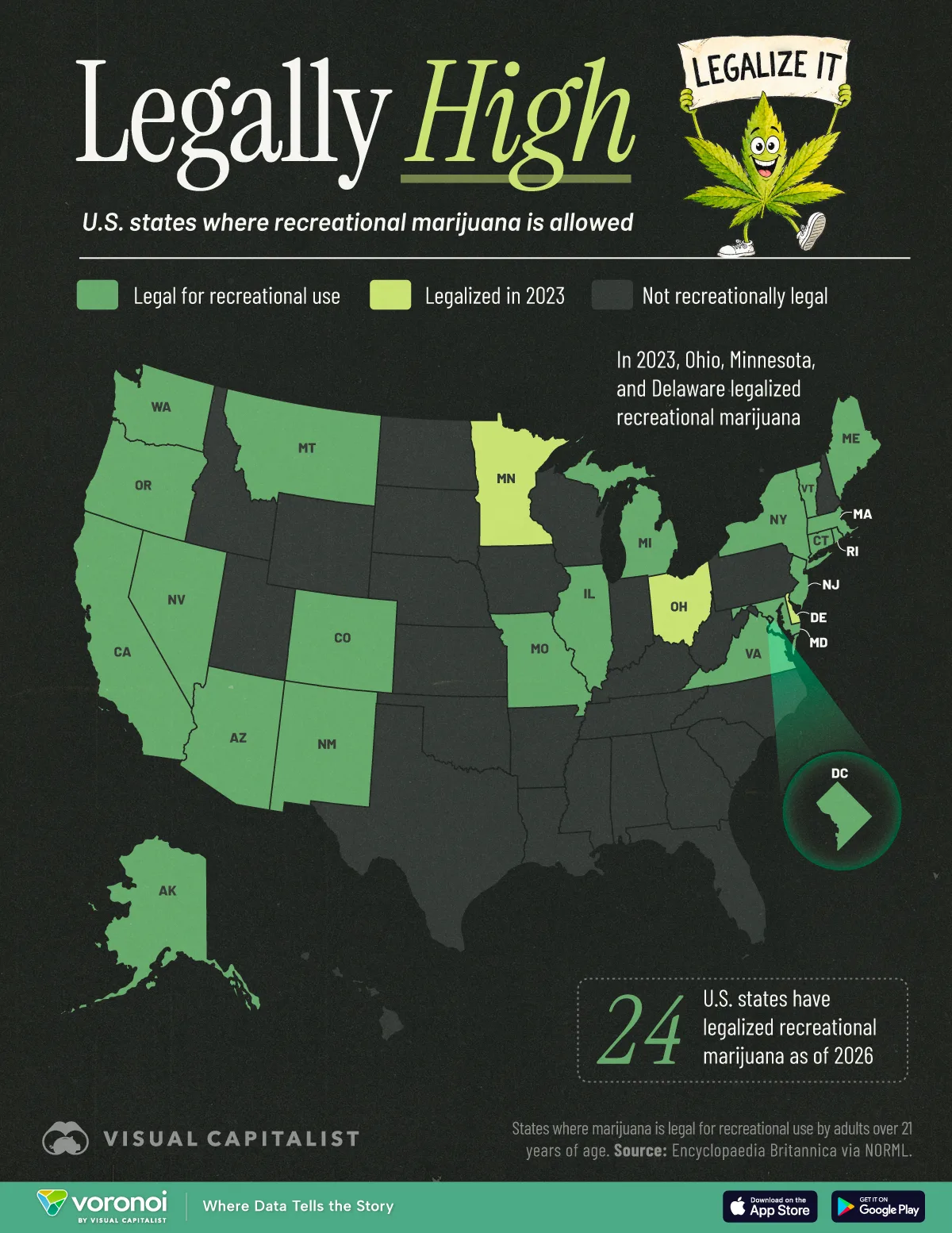
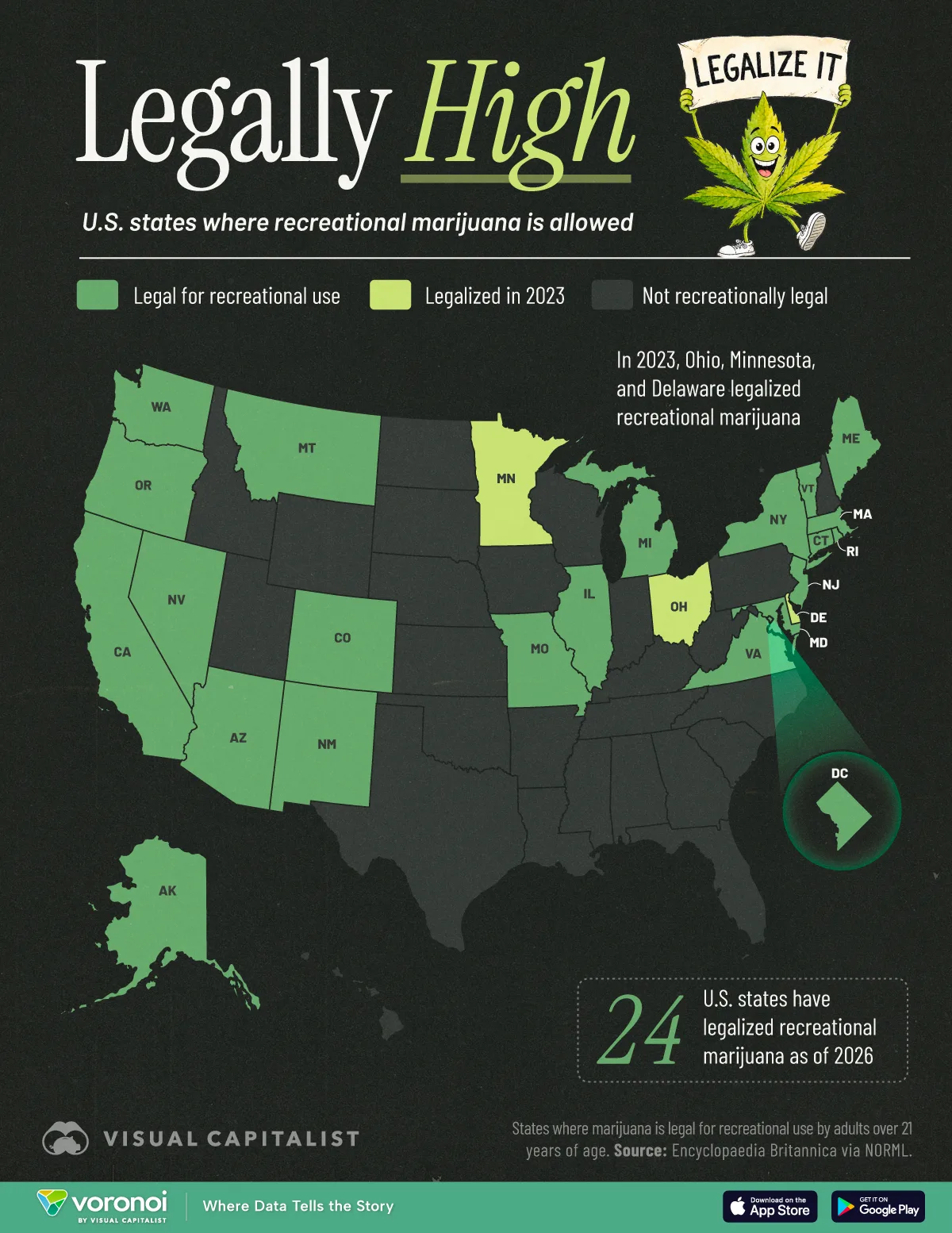
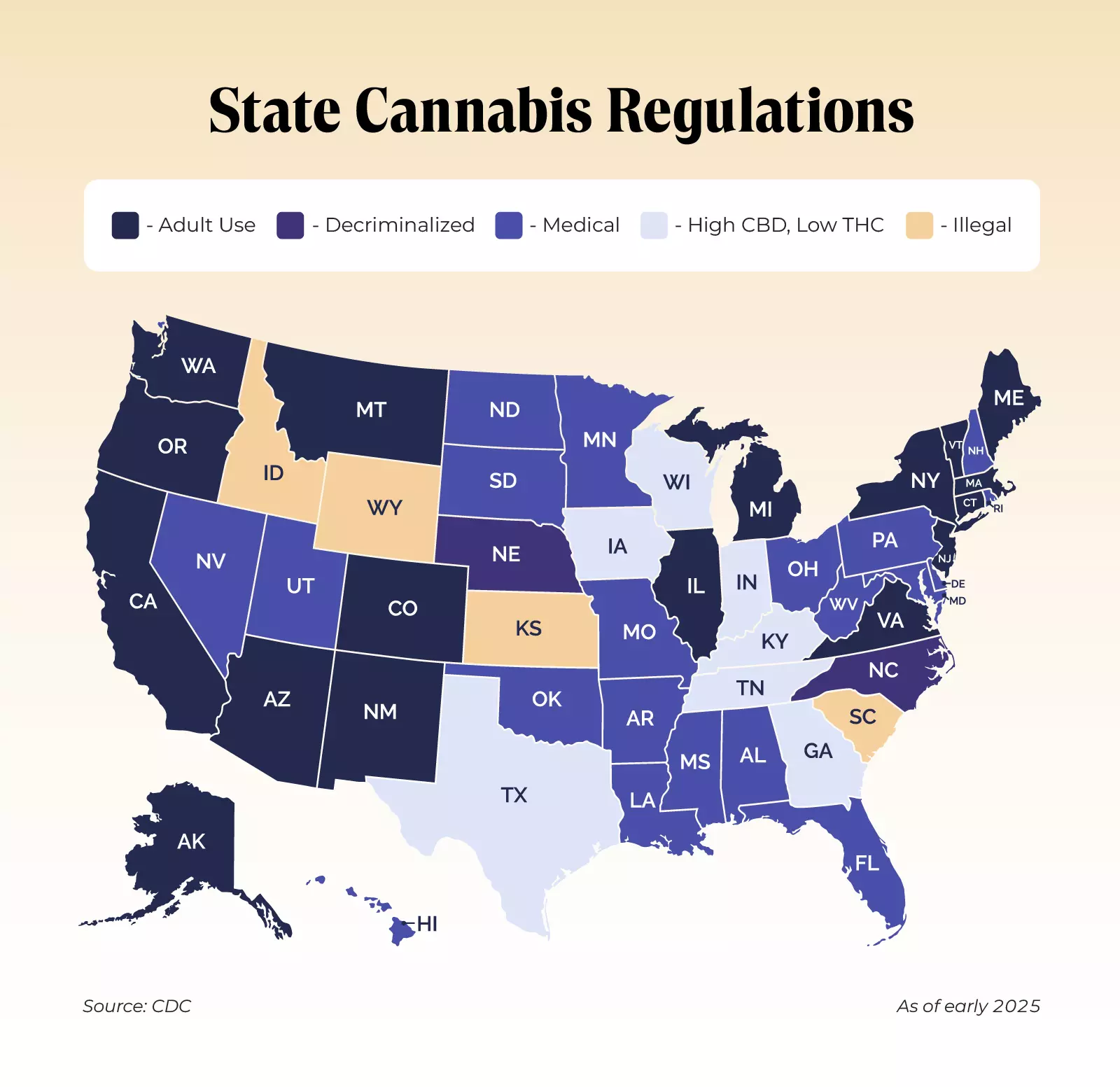
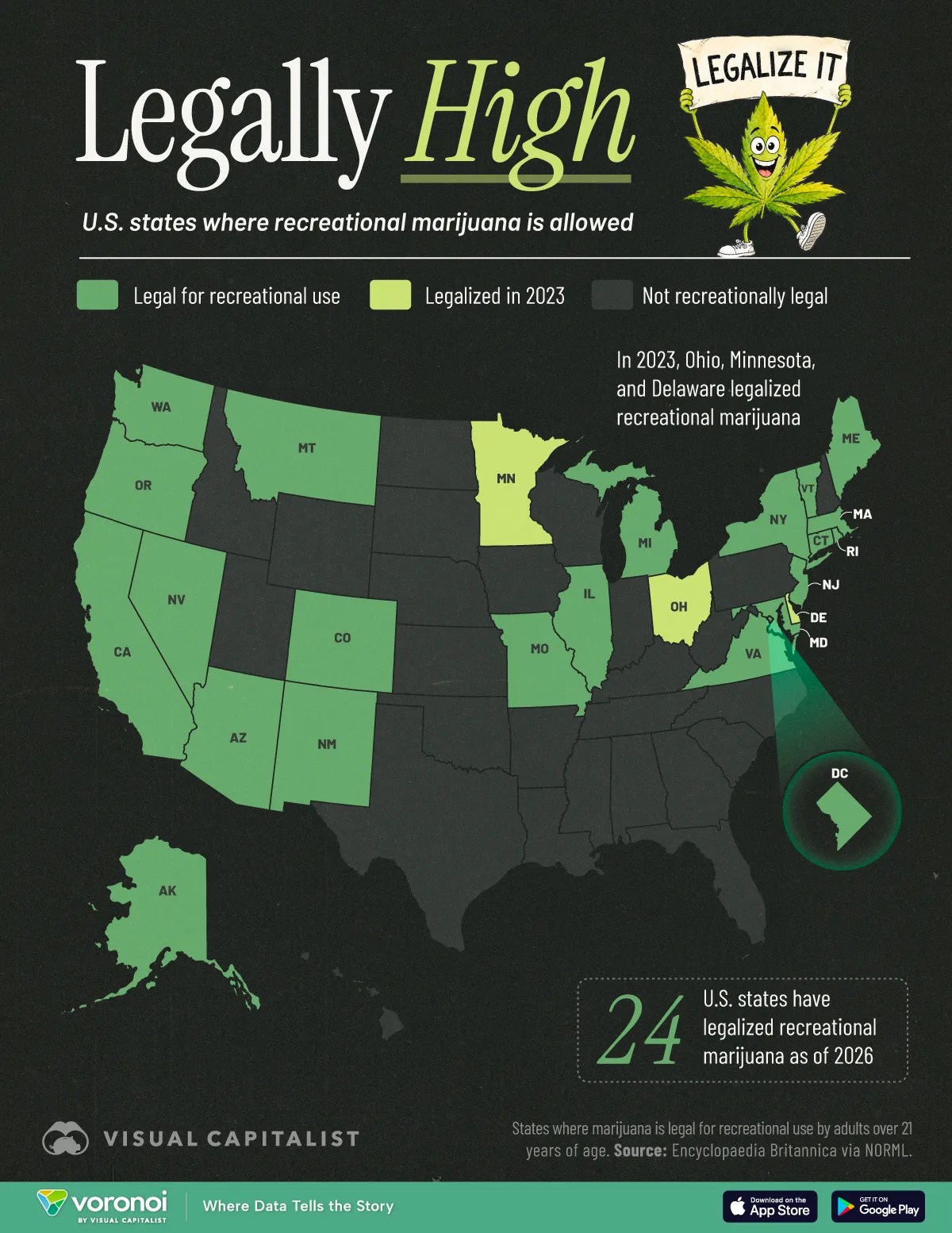
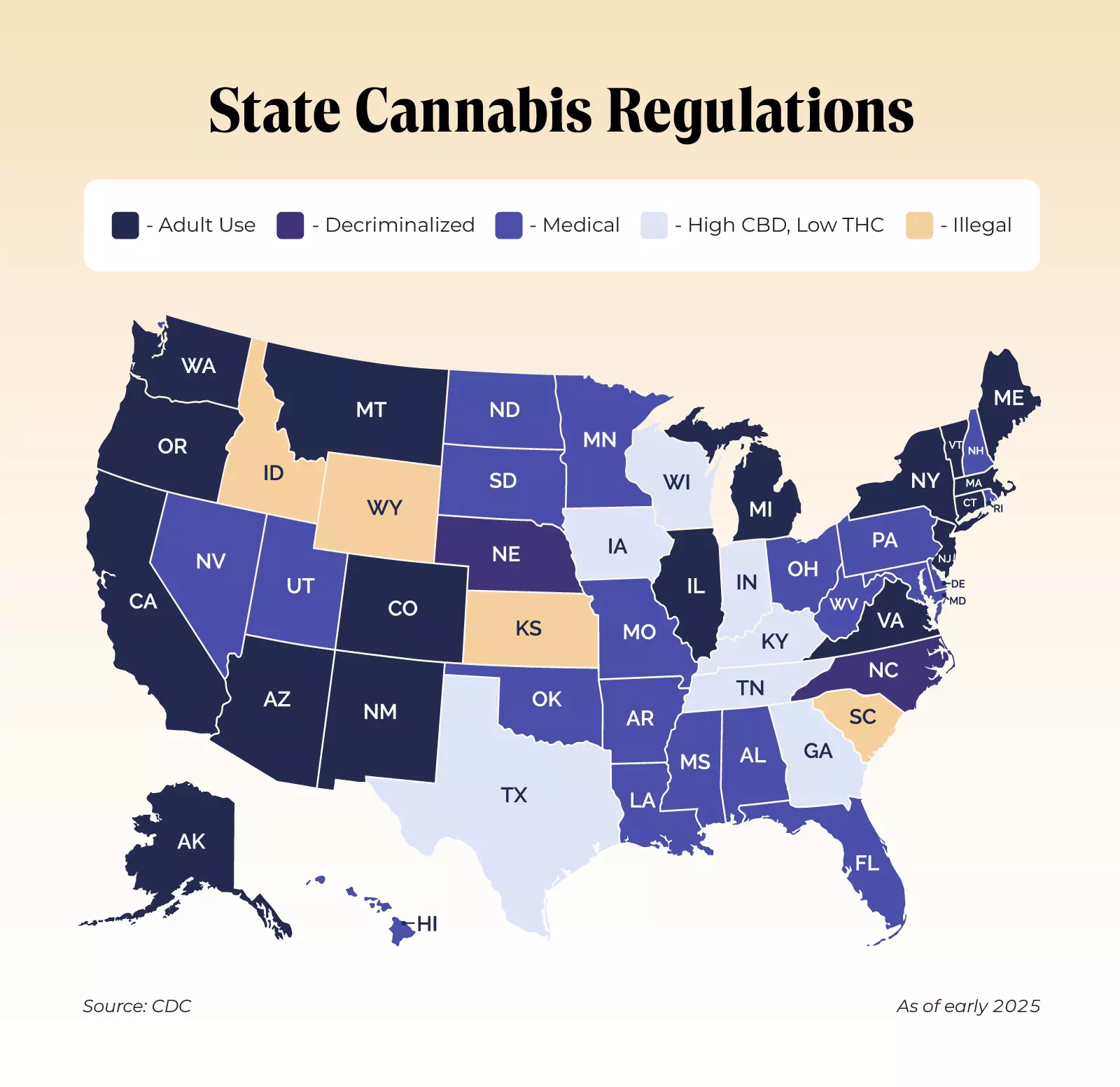
The cannabis scene in the United States is in constant flux. As of late 2024, we see a patchwork of laws – some states embracing full recreational legalization, others sticking with medical programs, and a stubborn contingent maintaining prohibition. This isn’t a simple binary, either. States like New Jersey have a mature recreational market while others, like Mississippi, are grappling with legal challenges to medical programs. The overall trend, though, is undeniably toward greater acceptance and legalization.
The big news of 2024 was the Drug Enforcement Administration’s rescheduling of marijuana to Schedule III. This move, announced by the Justice Department, acknowledges a recognized medical use for cannabis, which is significant. It doesn't legalize marijuana federally, but it does remove some of the most onerous restrictions on research and could open doors for easier banking access. It’s a serious step, and one that’s been a long time coming.
This rescheduling isn't a magic bullet, though. Cannabis remains illegal at the federal level, and that creates a lot of problems for businesses operating in legal states. But it’s a signal that the federal government is, at least, starting to acknowledge the reality on the ground. Looking ahead to 2026, we can expect this momentum to continue, with several states poised to join the legal cannabis club. This article will break down what’s happening, state by state, and look at what’s on the horizon for federal policy.
State-by-State Projections: 2025-2026
Predicting the future is always tricky, but we can get a good sense of which states are most likely to legalize cannabis over the next two years by looking at current legislative efforts and ballot initiatives. Ohio stands out as a potential leader. Their successful 2023 vote demonstrated strong public support, and the state is already establishing a regulatory framework. We can anticipate a robust market developing there, with potential tax revenues exceeding $200 million annually within a few years.
Florida is a huge potential prize, but faces more hurdles. A constitutional amendment to legalize recreational cannabis is expected on the 2024 ballot, but it needs 60% approval to pass. Opposition is well-funded and organized, and the language of the amendment is being scrutinized. If Florida legalizes, it would be a game-changer, creating one of the largest cannabis markets in the country – potentially rivaling California.
Maryland is also one to watch. Adult-use sales began in July 2023, and the market is still maturing. The state is focused on social equity provisions, aiming to prioritize licenses for communities disproportionately affected by the war on drugs. Initial sales figures have been promising, and we can expect continued growth.
Pennsylvania's legalization efforts have stalled in the past, but Governor Josh Shapiro remains a vocal advocate. He’s pushing for a bill that would legalize recreational cannabis and direct tax revenue to fund schools and social equity programs. The challenge is gaining support from Republican lawmakers who are wary of the potential negative consequences.
New York’s rollout has been… bumpy. While legal since 2021, the state has struggled to get dispensaries open and operating efficiently. Regulatory delays and legal challenges have hampered progress. However, the market has significant long-term potential, and the state is working to address the issues.
Arizona is another state with a good chance of seeing legalization. A ballot initiative is likely to appear on the 2024 ballot, building on the state’s existing medical cannabis program. Support for legalization is strong, but the initiative will need to overcome opposition from law enforcement groups.
Missouri legalized recreational cannabis in December 2022, and the market is quickly expanding. Early sales figures are strong, and the state is benefiting from significant tax revenue. The state’s regulatory framework is relatively straightforward, which has helped to facilitate a smooth rollout.
Rhode Island, one of the first states to legalize, continues to refine its regulations. The state is focused on ensuring a diverse and equitable cannabis industry. While the market is smaller than some others, it’s still growing steadily.
Connecticut's market is also developing, but it’s been slower to get off the ground than anticipated. Regulatory hurdles and limited dispensary licenses have been a drag on growth. However, the state has a strong consumer base and significant potential.
Nebraska is an interesting long shot. A citizen-led initiative to legalize medical cannabis is gaining traction, and there’s growing public support for reform. However, the state’s conservative political climate presents a significant challenge.
State Cannabis Legalization Projections - 2026
| State | Current Status | Likelihood of Legalization | Projected Timeline | Type |
|---|---|---|---|---|
| Florida | Medical | High | 2024 (Potential Ballot Initiative) | Recreational |
| Ohio | Recreational | Completed | December 7, 2023 (Issue 2 passed) | Recreational |
| Pennsylvania | Medical | Medium | 2025-2026 (Ongoing legislative discussions) | Recreational |
| Maryland | Recreational | Completed | July 1, 2023 | Recreational |
| New York | Recreational | Completed | March 31, 2021 | Recreational |
| Texas | Medical (Limited) | Low | Beyond 2026 (Significant political hurdles) | Medical |
| Georgia | Medical (Limited) | Low | Beyond 2026 (Limited legislative progress) | Medical |
Illustrative comparison based on the article research brief. Verify current pricing, limits, and product details in the official docs before relying on it.
Federal Updates: What's on the Horizon?
As mentioned, the rescheduling of marijuana to Schedule III is the biggest federal development in decades. This move, announced by the Justice Department in August 2024, is the result of a petition filed by the state of Maryland and a review by the Department of Health and Human Services. It means the federal government now acknowledges some medical benefit to cannabis, which has implications for research and access.
However, it’s crucial to understand what rescheduling doesn’t do. Marijuana remains illegal at the federal level. It’s still a controlled substance, and federal law enforcement can still prosecute cannabis-related offenses. The DEA still regulates its production and distribution, even if with a lighter touch. Interstate commerce remains prohibited. This creates a continued conflict between state and federal law.
What about descheduling – removing cannabis from the Controlled Substances Act altogether? That would be a far more significant step, effectively legalizing marijuana at the federal level. It's something advocates are pushing for, but it faces significant political opposition. The current political climate makes full descheduling unlikely in the near term.
The SAFE Banking Act, which would allow banks to provide services to cannabis businesses without fear of federal prosecution, is another piece of legislation that’s been stuck in Congress for years. It’s passed the House multiple times, but has consistently stalled in the Senate. While its prospects remain uncertain, the rescheduling of marijuana could give it a fresh boost.
You can track the progress of federal cannabis legislation on congress.gov. As of late 2024, several bills related to cannabis reform are under consideration, but none are expected to pass quickly. The federal government is proceeding cautiously, and any major changes will likely take years.
Banking and Financial Hurdles
Even in states where cannabis is legal, businesses face significant challenges accessing banking services. Because marijuana is still illegal at the federal level, most traditional banks are hesitant to work with cannabis companies. They fear being penalized by federal regulators. This forces many cannabis businesses to operate on a cash-only basis, which is risky and inefficient.
This lack of banking access creates a number of problems. It makes it difficult for businesses to manage their finances, pay taxes, and secure loans. It also increases the risk of theft and robbery. It’s a major impediment to the growth of the legal cannabis industry.
The passage of the SAFE Banking Act would alleviate many of these problems. It would allow banks to provide services to cannabis businesses without fear of federal prosecution. However, as noted, the bill has been stalled in Congress for years. In the meantime, some cannabis businesses are turning to credit unions and fintech companies that are willing to take on the risk.
These alternative financial solutions are often more expensive and less reliable than traditional banking services. But they provide a lifeline for businesses that are unable to access mainstream banking. The situation underscores the need for federal cannabis reform to create a more stable and equitable financial system.
Interstate Commerce: A Distant Reality?
Federal prohibition prevents cannabis from being transported across state lines, even between states where it’s legal. This creates a fragmented market and limits competition. It also drives up prices for consumers. The legal arguments for interstate commerce center on the Commerce Clause of the U.S. Constitution, which gives Congress the power to regulate interstate trade.
However, the federal government has consistently maintained that cannabis is illegal under federal law, and therefore not subject to the Commerce Clause. This position is likely to hold until cannabis is either descheduled or Congress passes legislation specifically authorizing interstate commerce.
If interstate commerce were to become a reality, it could have a significant impact on the industry. It would allow companies to scale up their operations and reach a wider customer base. It would also drive down prices and increase competition. But it could also disadvantage smaller businesses that are unable to compete with larger companies.
Commerce Obstacles
- Federal Prohibition - Cannabis remains a Schedule I controlled substance under federal law, creating a fundamental conflict with state-legal markets and hindering interstate commerce.
- Differing State Regulations - Each state with legal cannabis has its own unique set of rules regarding cultivation, processing, testing, packaging, and sales. These inconsistencies create a patchwork system that makes interstate trade extremely complex.
- 280E Tax Code - Section 280E of the Internal Revenue Code prevents cannabis businesses from taking standard business deductions, resulting in significantly higher tax burdens than other industries. This impacts profitability and limits capital for expansion, including interstate operations.
- Banking Restrictions - Due to federal prohibition, most banks are hesitant to provide services to cannabis businesses, fearing legal repercussions. This lack of access to traditional banking forces many businesses to operate on a cash-only basis, increasing security risks and hindering financial stability for interstate transactions.
- Logistical Challenges - Transporting cannabis across state lines, even if legally permitted, presents significant logistical hurdles, including secure transportation, tracking, and compliance with varying state regulations. Establishing reliable supply chains is a major obstacle.
- State Residency Requirements - Many states require cannabis business owners or investors to be residents, limiting participation from out-of-state entities and impeding the development of larger, multi-state operators capable of facilitating interstate commerce.
- Testing Standards Variance - Different states employ varying testing standards for cannabis products, including acceptable levels of pesticides, heavy metals, and cannabinoids. Harmonizing these standards is crucial for ensuring product safety and facilitating interstate trade.
Taxation and Revenue: Where Does the Money Go?
Cannabis is taxed at both the state and federal levels, though the federal government's ability to collect taxes is complicated by the plant's illegal status. States employ various tax structures, including excise taxes (applied to the producer), sales taxes (applied to the consumer), and sometimes a combination of both. California, for example, has a complex system with cultivation taxes, excise taxes, and local taxes.
The revenue generated from cannabis taxes varies widely depending on the state and the maturity of the market. Colorado, one of the early adopters of legalization, has consistently generated hundreds of millions of dollars in tax revenue each year. Illinois has also seen significant revenue growth since legalizing recreational cannabis in 2020.
States allocate cannabis tax revenue to a variety of programs, including education, public health, substance abuse treatment, and law enforcement. Some states, like California, prioritize funding for communities disproportionately affected by the war on drugs. The success of these programs depends on effective implementation and oversight.
Lessons from states with established cannabis markets show that careful tax policy and strategic revenue allocation are crucial. States should avoid overly burdensome tax rates that can drive consumers back to the black market. They should also prioritize investments in programs that address the harms caused by prohibition.
Where do you think cannabis tax revenue should be primarily directed?
As more states legalize cannabis and tax revenue continues to grow, the debate over how to allocate those funds is more relevant than ever. Cast your vote below and let us know which public priority you think should benefit most from cannabis tax dollars.
Impact on Social Equity
The war on drugs disproportionately harmed communities of color, and cannabis legalization presents an opportunity to address these historical injustices. Social equity programs aim to ensure that these communities benefit from the legal cannabis industry. These programs typically include expungement of past cannabis convictions, licensing preferences for minority-owned businesses, and investments in community development.
However, implementing effective social equity programs is challenging. Many programs have struggled to achieve their goals due to bureaucratic hurdles, lack of funding, and limited access to capital. It’s also difficult to measure the success of these programs. Some states, like Illinois, have faced criticism for the slow pace of licensing and the lack of diversity among cannabis business owners.
Successful social equity programs require a comprehensive approach that addresses the root causes of racial disparities in the criminal justice system. This includes providing job training, financial assistance, and mentorship opportunities for individuals from affected communities. It also requires dismantling systemic barriers to entry in the cannabis industry.
Ultimately, social equity is not just about creating economic opportunities. It’s about repairing the harm caused by decades of unjust policies and building a more equitable society. It’s a complex undertaking, but one that is essential for ensuring that cannabis legalization benefits everyone.
No comments yet. Be the first to share your thoughts!