

The Shifting Legal Landscape
The cannabis world is changing rapidly. In August 2023, the Department of Justice rescheduled cannabis from Schedule I to Schedule III. This doesn’t mean federal legalization, but it does mean the federal government now views cannabis as having a lower potential for abuse than substances like heroin or LSD, which has implications for medical research and banking.
The rescheduling acknowledges evolving understanding of cannabis, but it doesn’t erase the existing conflict between federal and state laws. A report from the Congressional Research Service from earlier in 2023 clearly outlines this tension – marijuana remains a federally controlled substance despite the growing number of states legalizing it for medical or recreational use. This creates a complicated situation for businesses and consumers alike.
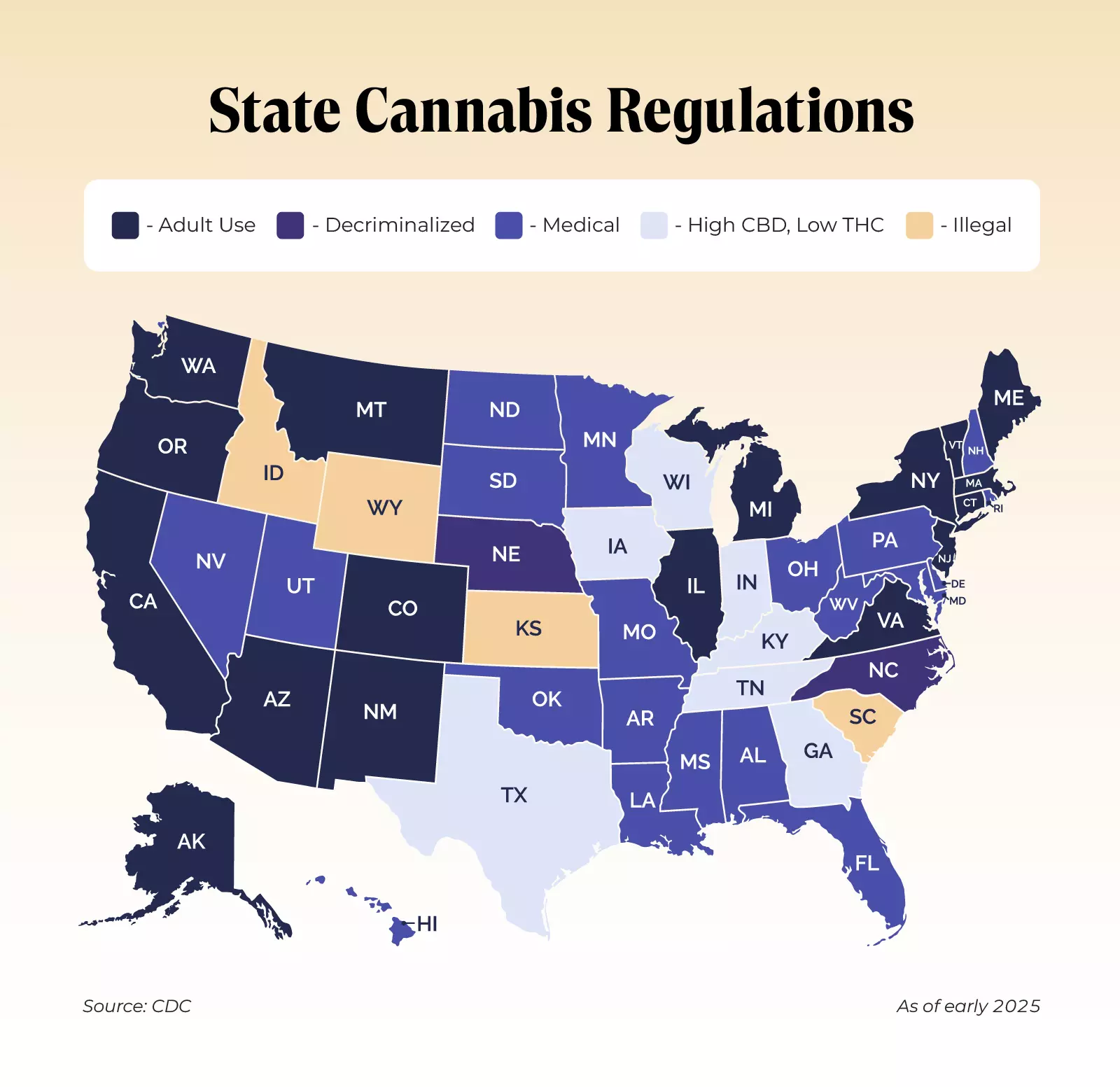
The legal status of cannabis is no longer a simple "legal’ or ‘illegal’ categorization; it"s a spectrum. States are experimenting with different models, and the federal government is slowly, cautiously, adjusting its approach. This makes predicting the future difficult, but also presents opportunities for innovation and progress.
The current state of affairs isn’t ideal, but it’s a far cry from a decade ago. The conversation has shifted, and the momentum appears to be toward greater acceptance and regulation. It’s a time of uncertainty, but also a time of considerable hope for those advocating for cannabis reform.
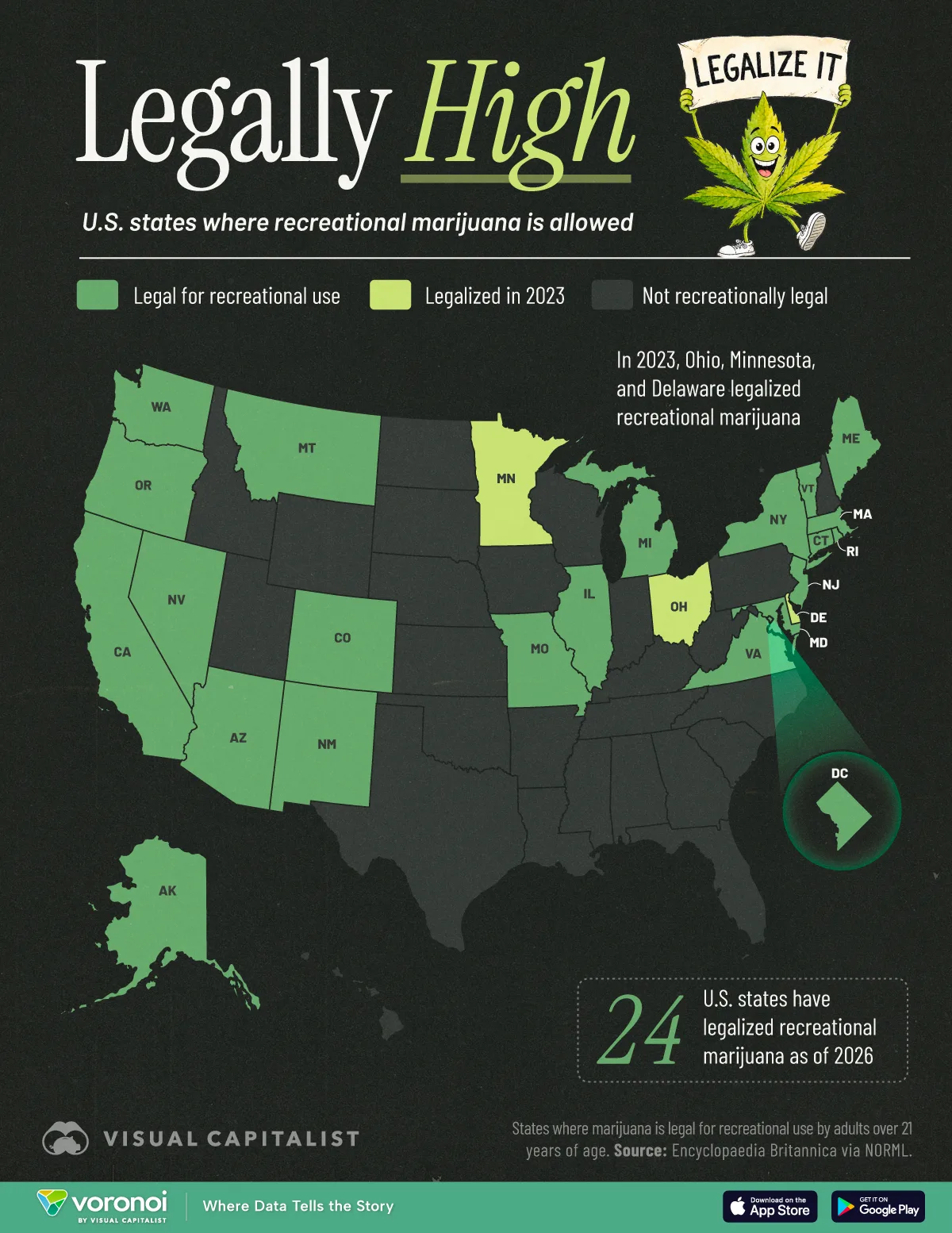
2026 Projections: States to Watch
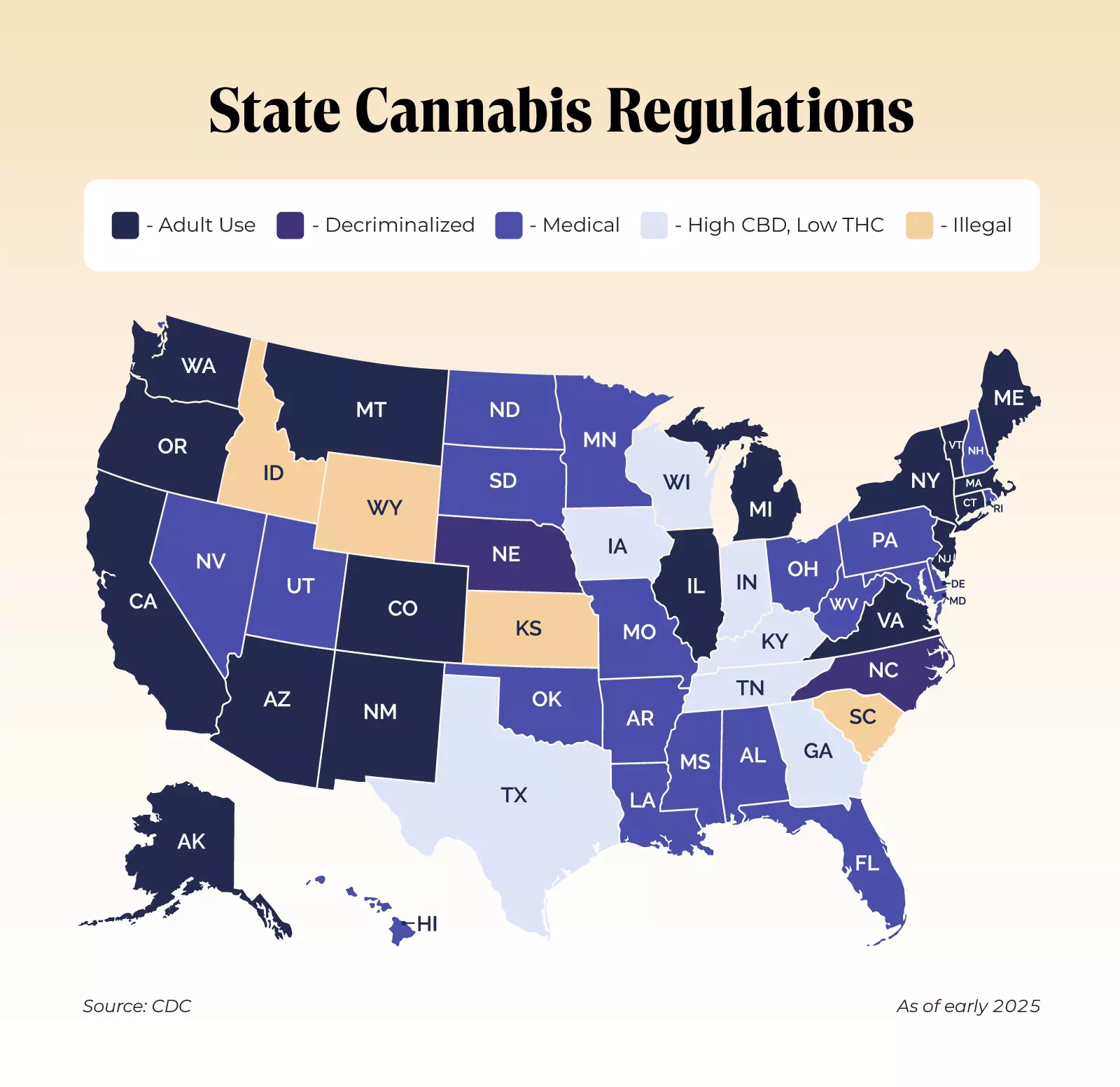
Several states are actively considering cannabis legalization as of late 2024 and early 2025. While predicting the future is always tricky, we can assess the likelihood of passage based on current legislation and political climates. Ohio recently legalized recreational cannabis in November 2023, setting a precedent for the Midwest. Florida is another state to watch.
Florida’s voters will likely see a cannabis legalization initiative on the ballot in 2024. The state’s robust medical marijuana program and strong tourism industry create a significant financial incentive for legalization. However, conservative opposition remains a factor. Success here would be a win for legalization advocates. Pennsylvania is also a strong contender.
In Pennsylvania, Governor Josh Shapiro has publicly supported legalization, but faces resistance from the Republican-controlled legislature. Multiple bills have been introduced, but none have gained traction. The state’s proximity to other legal states like New York and New Jersey creates pressure to act, but the political hurdles are substantial. Maryland is also poised to make moves.
Maryland already has a medical cannabis program and decriminalized possession. Lawmakers are actively discussing adult-use legalization, with several bills under consideration. The state’s relatively progressive political landscape suggests a good chance of passage by 2026. The financial benefits are also a driving force – states are realizing the potential for tax revenue from a regulated cannabis market. For example, Colorado generated over $423 million in tax revenue from cannabis sales in 2023.
State Cannabis Legalization Outlook: 2026
| State | Current Legal Status | Active Legislation | Likelihood of Legalization by 2026 | Key Considerations |
|---|---|---|---|---|
| Ohio | Adult-use legal as of December 7, 2023 (Initiative Petition) | N/A - Legalized via initiative | High | Implementation of regulations and market establishment will be key in 2024-2026. Focus on home grow rules and local control. |
| Florida | Medical cannabis legal. Limited THC cap. | Amendment 3 (2024 ballot initiative) | High | Voter approval of Amendment 3 in November 2024 is widely expected to establish a robust adult-use market. Legal challenges are possible. |
| Pennsylvania | Medical cannabis legal. Decriminalized possession of small amounts. | HB 1054 (Comprehensive adult-use bill stalled in committee) | Medium | Strong bipartisan support exists, but disagreements on tax rates and social equity provisions have stalled progress. Governor Shapiro supports legalization. |
| Maryland | Adult-use legal as of July 1, 2023 (HB 638) | N/A - Legalized via legislation | High | Focus is on establishing a regulated market and addressing equity concerns. Initial sales began in late 2023, with continued market development expected. |
| Rhode Island | Adult-use legal (passed in 2022) | Ongoing regulatory adjustments | Medium | Expanding access and refining regulations based on early market data will be priorities. |
| Connecticut | Adult-use legal (passed in 2021) | Focus on social equity and licensing | Medium | Delayed rollout of retail sales due to equity concerns. Continued progress is anticipated, but timelines remain uncertain. |
| Delaware | Medical cannabis legal. Decriminalized possession. | HB 302 (Adult-use legalization bill) | Low | Legislative support is limited, and there is significant opposition from law enforcement groups. |
Illustrative comparison based on the article research brief. Verify current pricing, limits, and product details in the official docs before relying on it.
Regulation Variations: A State-by-State Breakdown
Even among states that have legalized cannabis, the regulations vary dramatically. Each state is attempting to balance public health, safety, and economic interests in its own way. Possession limits are one of the most obvious differences. Colorado allows adults 21 and over to possess up to one ounce of cannabis, while Oregon allows up to eight ounces.
Home grow rules also differ. Some states, like California, allow adults to grow a limited number of plants for personal use, while others, like New York, initially prohibited home grows before later allowing limited personal cultivation. Licensing for businesses is another area of variation. The number of licenses available, the application process, and the fees involved all vary from state to state.
Testing requirements are crucial for consumer safety, and states have adopted different approaches. Some states require comprehensive testing for potency, pesticides, heavy metals, and other contaminants, while others have less stringent standards. Tax rates also vary widely, impacting both consumers and businesses. Illinois has a relatively high tax rate on cannabis sales, while Michigan’s is lower.
Advertising restrictions are also common, often mirroring regulations for alcohol and tobacco. Many states prohibit advertising that appeals to minors or makes unsubstantiated health claims. In California, cannabis businesses are subject to strict environmental regulations related to water usage and energy consumption, reflecting the state’s focus on sustainability. These regulations are designed to address specific concerns and promote responsible cannabis practices.
Banking and Financial Hurdles
Despite state legalization, cannabis businesses continue to face banking challenges. Because cannabis remains illegal at the federal level, most banks are hesitant to provide services to cannabis companies, fearing potential legal repercussions. This creates a cash-intensive industry, which is risky and inefficient.
The SAFE Banking Act, which aims to protect banks that serve legitimate cannabis businesses, has been passed by the House of Representatives multiple times but has stalled in the Senate. If passed, it would provide a safe harbor for banks, encouraging them to work with cannabis companies. However, its future remains uncertain.
In the meantime, cannabis businesses are relying on alternative financial solutions, such as credit unions willing to take on the risk, private lenders, and payment processors specializing in high-risk industries. These options are often more expensive and less convenient than traditional banking services. The lack of access to traditional banking also hinders economic development in the cannabis industry.
This situation isn’t just a problem for businesses; it also affects consumers and regulators. It makes it more difficult to track transactions, ensure compliance, and collect taxes. Resolving the banking issue is a step toward normalizing the cannabis industry.
Interstate Commerce: The Grey Area
Federal prohibition creates an obstacle to interstate commerce in cannabis. Because cannabis is illegal at the federal level, it cannot be transported across state lines, even between states where it is legal. This creates a fragmented market, with each state operating as its own isolated island.
This fragmentation limits economies of scale and drives up prices. It also prevents businesses from expanding and competing on a national level. The lack of interstate commerce makes it difficult to track cannabis and prevent diversion to illegal markets. If federal legalization were to occur, interstate
One potential scenario is a system similar to the alcohol industry, where states have some control over the importation of cannabis. Another possibility is a federal regulatory framework that governs interstate commerce. Tracking cannabis across state lines would be a major challenge, requiring sophisticated technology and cooperation between states.
Currently, the legal ambiguities surrounding interstate commerce mean that even transporting cannabis-related products—like hemp-derived CBD—across state lines can be legally risky. This is a complex issue with no easy answers, and it will likely remain a significant challenge until federal legalization is achieved.
Impact on Criminal Justice
Legalization and decriminalization of cannabis have a significant impact on criminal justice systems. Arrest rates for cannabis-related offenses have declined in states that have legalized or decriminalized cannabis. This frees up law enforcement resources to focus on more serious crimes. However, the impact is not uniform across all communities.
Expungement – the process of removing past cannabis convictions from people’s records – is a critical component of criminal justice reform. Many states with legal cannabis have implemented expungement programs, allowing individuals to clear their records and access opportunities that were previously unavailable to them. But these programs aren’t always comprehensive or easy to navigate.
It's essential to acknowledge the disproportionate impact of cannabis prohibition on minority communities. People of color have historically been arrested and convicted of cannabis offenses at much higher rates than white people, even though usage rates are similar. Legalization and expungement are important steps toward addressing these historical injustices.
The shift in policy doesn’t automatically erase the harm caused by decades of prohibition. Ongoing efforts are needed to address the systemic inequalities that have been perpetuated by the war on drugs. This includes investing in communities that have been disproportionately affected by cannabis prohibition and providing opportunities for economic empowerment.
Consumer Protections and Product Safety
Ensuring consumer safety is paramount in a legal cannabis market. Testing cannabis products for potency, contaminants (pesticides, heavy metals), and other safety concerns is crucial. Different states have adopted different testing regulations, with varying levels of stringency. Comprehensive testing helps protect consumers from harmful products.
Packaging and labeling also play a vital role in consumer protection. Accurate labeling provides consumers with information about the potency, ingredients, and potential effects of cannabis products. Child-resistant packaging is essential to prevent accidental ingestion. Many states require specific warning labels to inform consumers about the risks associated with cannabis use.
States like California have implemented track-and-trace systems to monitor the cannabis supply chain from seed to sale. This helps prevent diversion to the illegal market and ensures product authenticity. However, these systems can be complex and expensive to implement. Consumer education is also key.
Informed consumers are more likely to make responsible choices. Providing clear and accurate information about cannabis products, including potential risks and benefits, empowers consumers to make informed decisions. Responsible consumption and a focus on product safety are essential for building a sustainable and trustworthy cannabis industry.
Looking Ahead: Federal Legalization?
The possibility of federal legalization remains a topic of debate. While the recent rescheduling of cannabis to Schedule III is a positive step, it doesn’t equate to legalization. Significant political obstacles remain, including opposition from some lawmakers and concerns about public health and safety.
Potential pathways to reform include passing comprehensive legalization legislation or continuing to address the issue through incremental changes, such as the SAFE Banking Act. The economic and social impacts of federal legalization would be substantial, potentially creating a multi-billion dollar industry and generating significant tax revenue. However, it would also require careful regulation to address potential risks.
The Schedule III rescheduling will likely encourage more research into the potential medical benefits of cannabis. This could lead to the development of new treatments for a variety of conditions. It also could pave the way for further policy changes. The current situation is dynamic and unpredictable.
Predicting the future is impossible, but the momentum appears to be toward greater acceptance and regulation of cannabis. The conversation has shifted, and the political landscape is evolving. While federal legalization is not guaranteed, it is increasingly becoming a realistic possibility.
No comments yet. Be the first to share your thoughts!