

The current state of cannabis laws
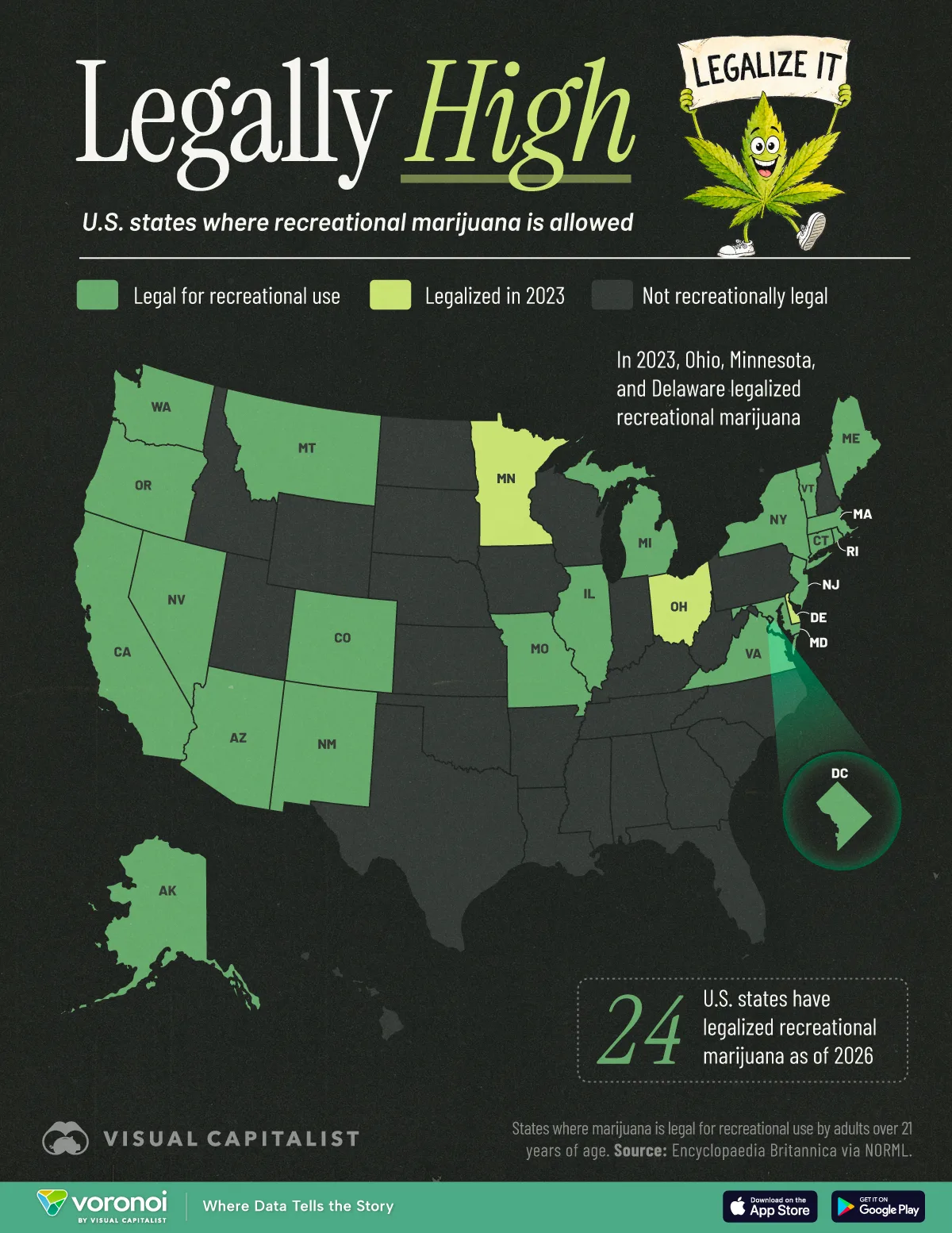
Cannabis laws are moving fast. Five years ago, broad legalization felt unlikely. Now, more than half of U.S. states allow medical or adult use. This shift comes from a mix of changing public opinion and the tax revenue states are seeing from legal sales.
The biggest federal development came in December 2023 when the Justice Department announced its intent to reschedule cannabis to Schedule III under the Controlled Substances Act. This decision, stemming from a review requested by the Biden administration, acknowledges the medical benefits of cannabis while still maintaining federal controls. It’s not full legalization, but it's a monumental step, and one that will ripple through the industry.
Rescheduling changes how scientists study the plant and how banks handle the money. Cannabis is still technically illegal at the federal level, but moving it to Schedule III shows the government is finally acknowledging state laws. By 2026, we expect more states to follow suit.
The momentum is undeniable. States are seeing tax revenues soar, crime rates haven’t spiked as predicted by opponents, and the public is increasingly supportive of legalization. These factors are creating a positive feedback loop, encouraging more states to consider joining the growing number of legal cannabis markets. The next two years promise to be pivotal.
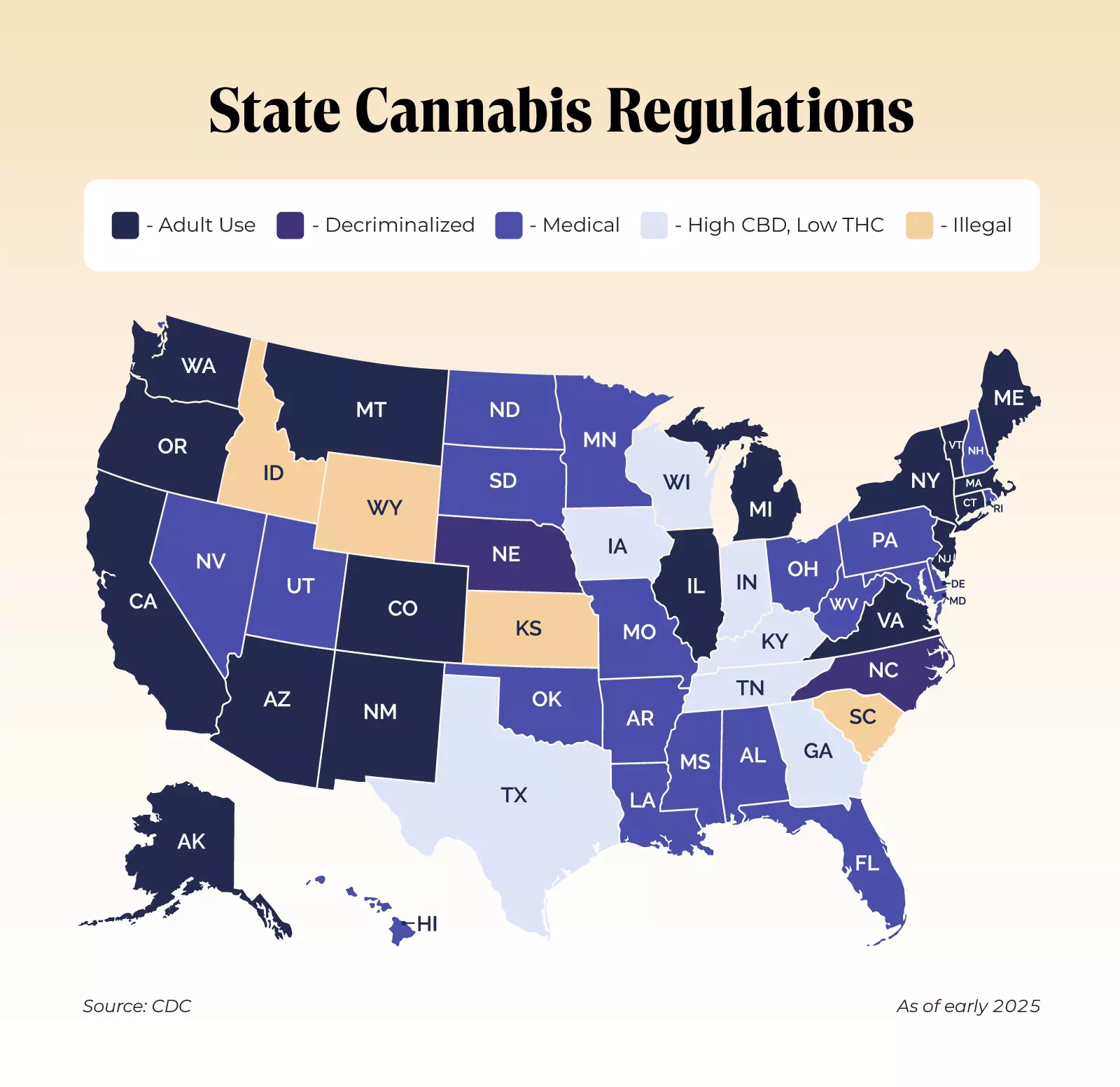
States likely to legalize by 2026
Several states are actively working towards legalization, and 2026 appears to be a realistic target for them. Florida is arguably the most significant potential addition. After a failed attempt in 2024, advocates are determined to get a constitutional amendment on the ballot in 2026, and with the state’s large population and tourism industry, a "yes" vote could have a massive impact on the national cannabis market.
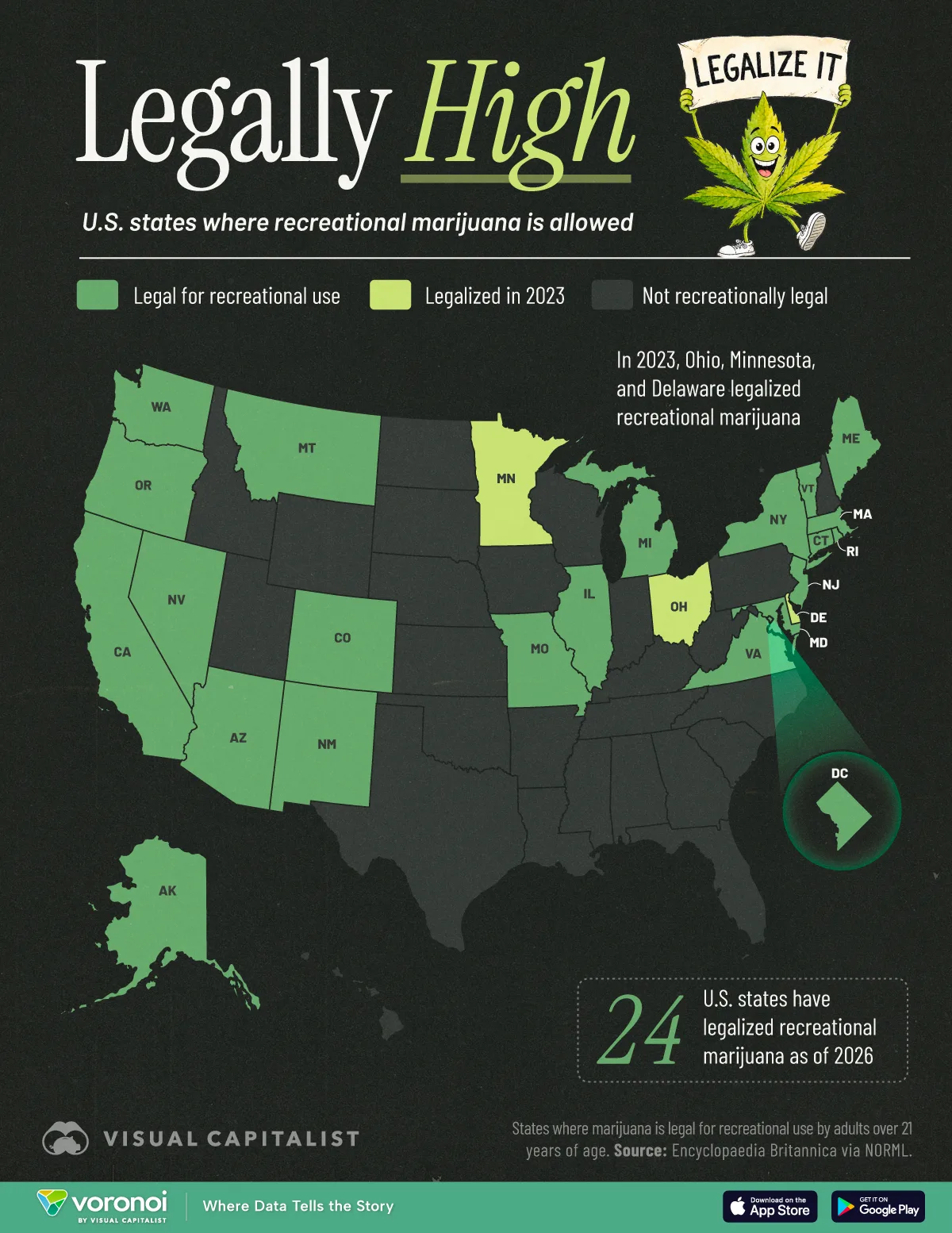
Ohio voters approved recreational cannabis in November 2023, but a second push for refinements to the law in 2026 is possible, and could address issues like home grow regulations or tax structures. The state’s existing infrastructure and relatively progressive stance make further expansion likely. Pennsylvania is another state to watch. While previous legalization efforts have stalled, a change in political leadership or increased public pressure could reignite the debate.
Maryland legalized adult-use cannabis in 2023, with sales beginning in 2024. However, initial rollout issues, particularly regarding social equity provisions, might prompt further legislative action in 2026 to refine the system. New York’s rollout has also been slow, and while the state is fully legal, addressing challenges with licensing and market access will be a focus in the coming years.
Beyond these, states like Missouri, which legalized in 2022, will be focused on optimizing their existing programs. Expect to see adjustments to tax rates, licensing procedures, and product regulations as these states gain experience. The economic impact of legalization is a powerful motivator. In states like Illinois, cannabis tax revenue has already exceeded projections, funding critical state programs and creating jobs. Similar results are anticipated in newly legalized states, further fueling the momentum for reform.
Florida’s market could hit $2.6 billion a year. Pennsylvania might reach $1.8 billion. These numbers are the real reason politicians are changing their minds. 2026 will show if that money is enough to push the remaining holdouts over the line.
State Cannabis Legalization Outlook - 2026
| State | Current Status | 2026 Likelihood | Key Legislation/Initiatives | Potential Tax Revenue | Notes |
|---|---|---|---|---|---|
| Florida | Medical Cannabis Program | High | Potential 2024 ballot initiative for adult-use legalization. Strong public support and political momentum. | Significant, potentially exceeding $1 billion annually based on market size. | Republican leadership historically opposed, but shifting public opinion and potential economic benefits are influencing debate. |
| Ohio | Adult-Use Legal (Implemented 2023) | Low | Ongoing regulatory development and potential adjustments to existing law. | Existing program generating revenue, further increases expected with maturity. | Initial implementation is underway; focus is on establishing a stable regulatory framework. |
| Pennsylvania | Medical Cannabis Program | Medium | Active legislative discussions regarding adult-use legalization. Governor Shapiro supports legalization. | Estimated in the hundreds of millions annually, dependent on tax rates and market structure. | Political divisions within the legislature present a significant hurdle to passage. |
| Maryland | Adult-Use Legal (Implemented 2023) | Low | Focus on establishing a robust regulatory framework and addressing equity concerns. | Generating substantial tax revenue; early data indicates strong sales. | Implementation challenges related to social equity provisions are being addressed. |
| Rhode Island | Adult-Use Legal (Implemented 2022) | Low | Continued refinement of regulations and expansion of retail access. | Moderate tax revenue, expected to grow with market maturity. | Smallest state with adult-use legalization, facing challenges related to market size. |
| Connecticut | Adult-Use Legal (Implemented 2023) | Low | Ongoing rollout of retail licenses and development of a comprehensive regulatory system. | Projected to generate significant tax revenue over time, but initial rollout has been slow. | Focus on social equity and prioritizing licenses for impacted communities. |
Illustrative comparison based on the article research brief. Verify current pricing, limits, and product details in the official docs before relying on it.
Federal changes on the way
The DOJ’s rescheduling of cannabis to Schedule III is a game-changer, but its full implications are still unfolding. This move primarily affects research. By easing restrictions, it will become easier for scientists to study the potential medical benefits of cannabis, potentially leading to new treatments for a variety of conditions. It also has implications for banking – while not a complete solution, it reduces the risk for financial institutions dealing with cannabis businesses.
The SAFE Banking Act, which aims to provide safe harbor for banks serving the cannabis industry, continues to be a major point of contention in Congress. While it has passed the House multiple times, it has consistently stalled in the Senate. The rescheduling of cannabis could increase the likelihood of passage, as it addresses some of the concerns about federal law enforcement. However, political gridlock remains a significant obstacle.
Full federal legalization in 2026 is unlikely. Significant hurdles remain, including conflicting state laws, political opposition from certain factions, and concerns about public health and safety. However, incremental progress is achievable. We might see further easing of restrictions on research, increased pressure on Congress to pass the SAFE Banking Act, and potentially even discussions about a more comprehensive reform bill.
One pathway forward could involve states continuing to lead the way, demonstrating the benefits of legalization and forcing the federal government to respond. Another could be a shift in political power, with a more supportive administration and Congress. The federal government could also take steps to harmonize state and federal laws, creating a more consistent regulatory framework. The situation is complex and uncertain, but the direction of travel is clear: towards greater acceptance and regulation of cannabis.
Impact on the Cannabis Industry
The anticipated changes will create both opportunities and challenges for cannabis businesses. Legalization in new states will open up new markets, leading to increased demand and potential for growth. Multi-state operators (MSOs) are well-positioned to capitalize on this expansion, but they will also face increased competition. Smaller, local businesses may struggle to compete with the resources and scale of MSOs.
Increased competition will likely drive down prices, benefiting consumers but potentially squeezing profit margins for businesses. Regulatory hurdles will also remain a significant challenge. Navigating complex licensing requirements, testing standards, and product labeling regulations can be costly and time-consuming. Businesses will need to invest in compliance and adapt to evolving regulations.
The potential for interstate commerce is a major talking point. If federal law allows, it could revolutionize the industry, creating a national market and lowering prices through increased competition. However, it could also disrupt existing state-level markets and create challenges for businesses operating in multiple states. The impact on pricing will be significant; currently, prices vary wildly from state to state.
We'll likely see a consolidation of the industry, with larger companies acquiring smaller ones. Innovation will also be key, with businesses focusing on developing new products and consumption methods to differentiate themselves. The companies that can adapt to the changing landscape and navigate the regulatory challenges will be the ones that thrive.
- New markets for multi-state operators
- Heightened competition
- Regulatory challenges
- Potential for interstate commerce
Navigating the Evolving Landscape
- Increased Access to Banking - Federal rescheduling or SAFE Banking Act passage will ease banking restrictions, allowing cannabis businesses to access traditional financial services like loans and credit lines.
- Interstate Commerce Potential - As more states legalize, the possibility of interstate cannabis commerce increases, creating opportunities for larger multi-state operators but also logistical and regulatory hurdles.
- Heightened Competition - Broader legalization will likely attract new entrants to the market, including established businesses from other industries, intensifying competition across all segments.
- Complex Regulatory Frameworks - Cannabis businesses will need to navigate a patchwork of state and federal regulations that continue to evolve, requiring robust compliance programs and legal expertise.
- Supply Chain Optimization - With expanded markets, optimizing the cannabis supply chain – from cultivation to retail – becomes crucial for maintaining profitability and product quality. This includes seed-to-sale tracking systems like Metrc.
- Product Diversification & Innovation - Consumer demand is shifting towards diverse product formats (e.g., edibles, beverages, topicals). Businesses must innovate to meet these changing preferences and differentiate themselves.
- Tax Challenges & Equity Concerns - Cannabis businesses often face high tax burdens and historical inequities in licensing. Addressing these issues will be critical for fostering a sustainable and inclusive industry.
Consumer Trends and Emerging Markets
Consumer preferences are evolving rapidly. Cannabis beverages are gaining significant traction, offering a discreet and convenient consumption method. Edibles remain popular, with consumers increasingly seeking out sophisticated and precisely dosed products. Topicals, such as creams and lotions, are also gaining popularity, particularly among consumers seeking relief from pain and inflammation.
The wellness market is a major growth area. Consumers are increasingly interested in CBD and minor cannabinoids, such as CBG and CBN, for their potential therapeutic benefits. These products are often marketed as alternatives to traditional pharmaceuticals, appealing to health-conscious consumers. The demand for natural and plant-based remedies is driving this trend.
Demographically, the cannabis consumer base is becoming more diverse. While historically dominated by younger males, we're seeing an increasing number of women and older adults entering the market. This shift is driven by changing social attitudes and the growing acceptance of cannabis as a legitimate wellness product. As legalization expands, we can expect to see an even broader range of consumers entering the market.
The focus is shifting from simply getting "high" to using cannabis for specific purposes, such as managing pain, improving sleep, or reducing anxiety. This trend is driving demand for products with specific cannabinoid profiles and targeted effects. Consumers are becoming more educated and discerning, seeking out products that meet their individual needs.
Navigating State-Specific Regulations
Even within legal states, regulations vary dramatically. Licensing requirements can differ significantly, with some states requiring extensive background checks and financial disclosures. Testing standards also vary, with some states requiring more rigorous testing for contaminants and potency. Product labeling regulations are equally diverse, with some states mandating specific warning labels and dosage information.
For example, California has some of the strictest testing standards in the country, while Colorado has a more streamlined licensing process. Illinois requires detailed tracking of cannabis products from seed to sale, while Michigan allows for home grow operations. These differences can create challenges for businesses operating in multiple states.
Consumers should always check their state’s specific regulations before purchasing or consuming cannabis. Resources like state cannabis control boards and industry associations can provide valuable information. Businesses should consult with legal counsel to ensure they are complying with all applicable laws and regulations. Non-compliance can result in hefty fines, license revocation, and even criminal charges.
Staying informed is crucial. Regulations are constantly evolving, so it’s important to stay up-to-date on the latest changes. Industry publications and legal newsletters can provide timely updates and analysis. Proactive compliance is the best way to avoid legal pitfalls and ensure long-term success.
What is the biggest obstacle to federal cannabis legalization?
As we look toward the 2026 landscape, share your perspective on the primary barrier to nationwide reform.
No comments yet. Be the first to share your thoughts!