

The 2026 Legalization Landscape
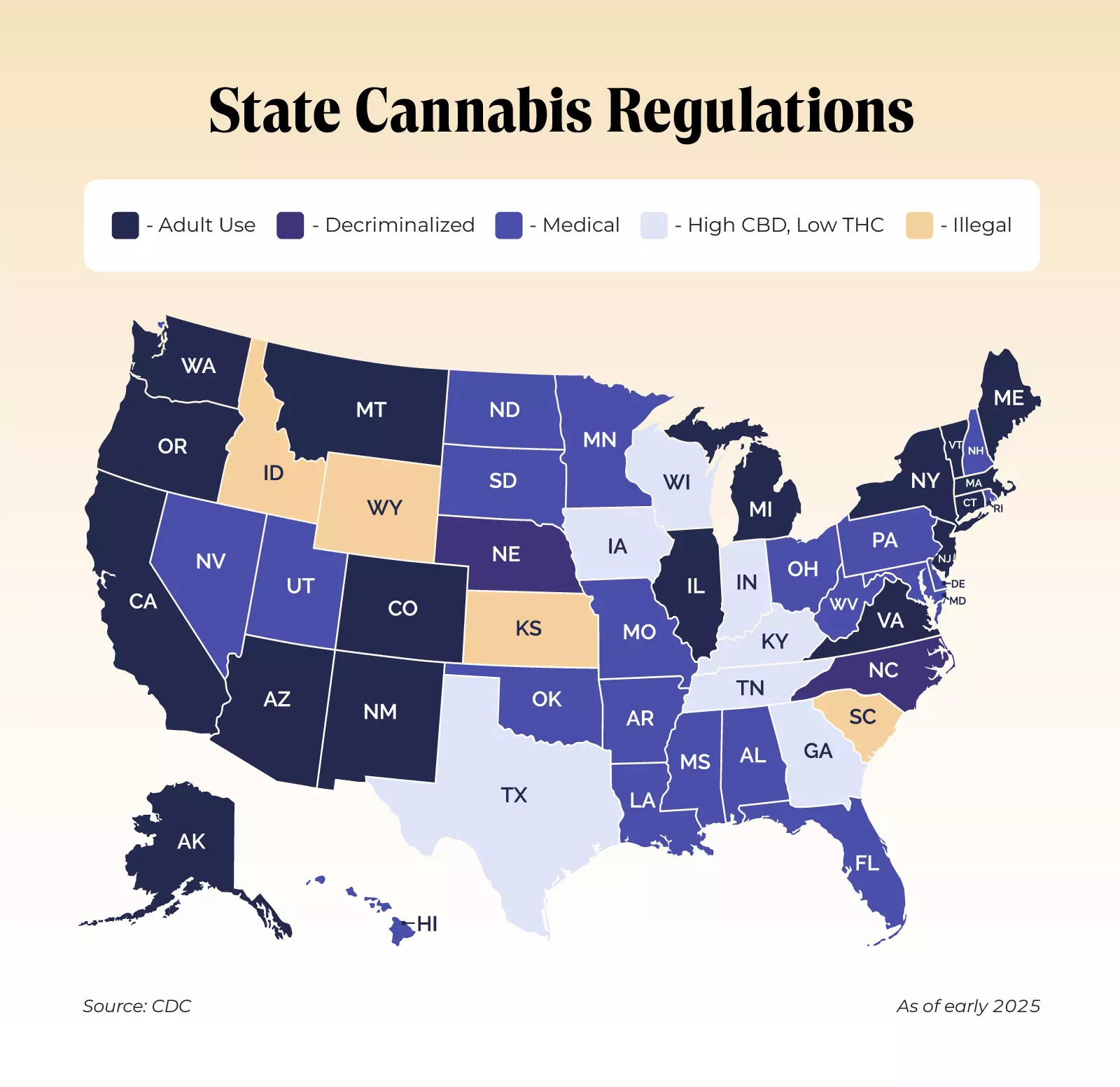
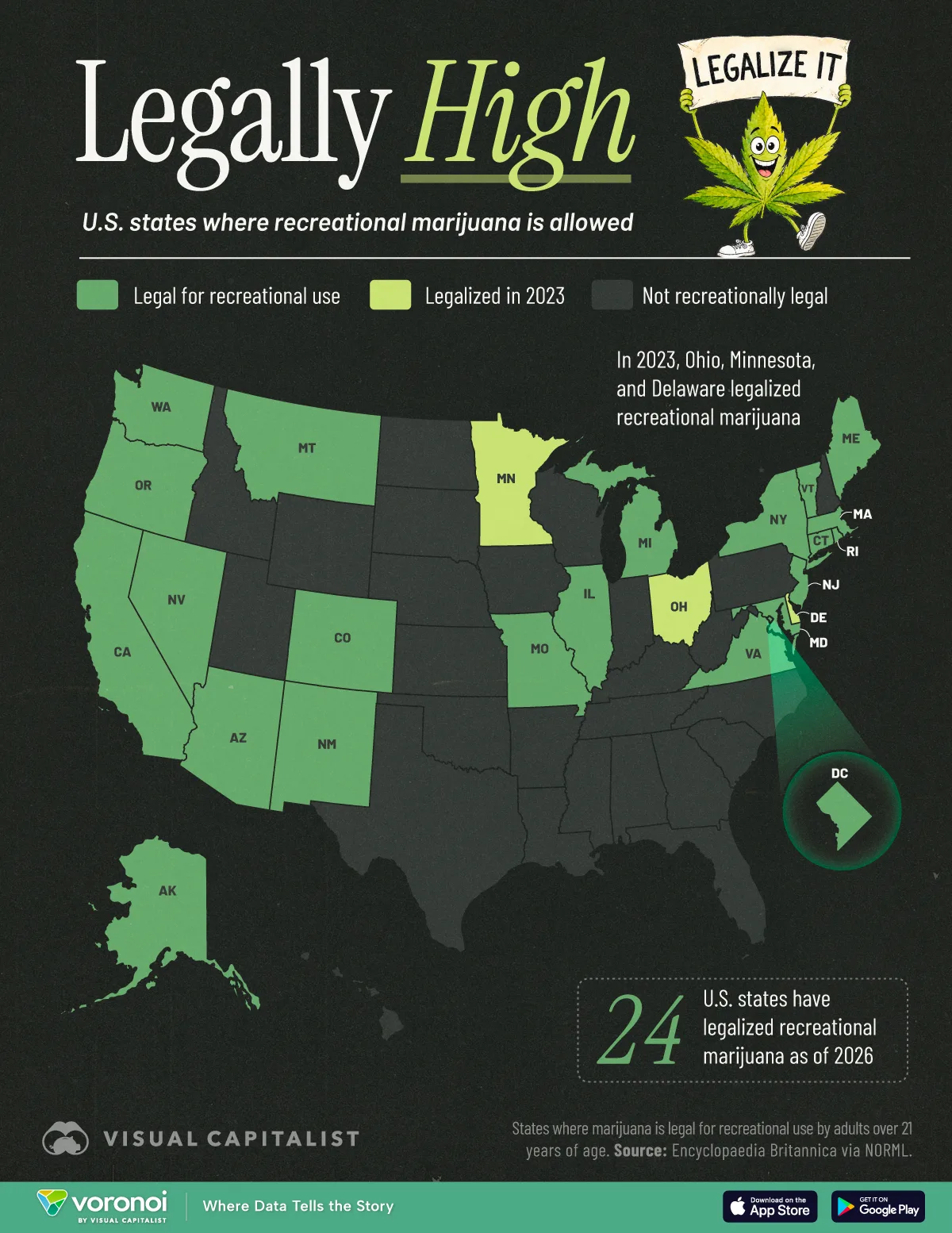
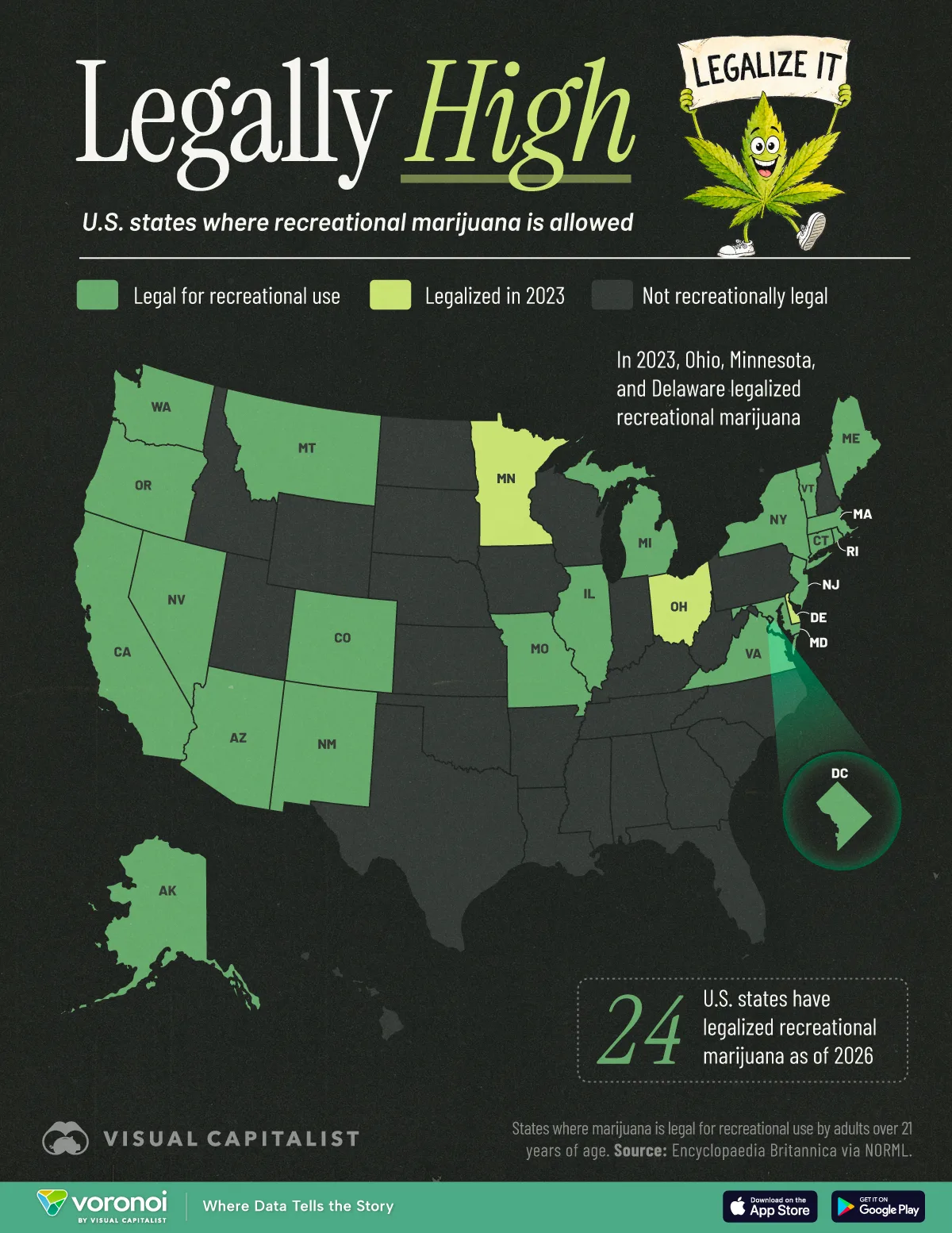
The cannabis scene in the United States is, to put it mildly, a patchwork. As of late 2024 and early 2025, medical cannabis is legal in over thirty states, while recreational use is permitted in a growing, but still limited, number. This creates a complicated situation for both consumers and businesses, especially given that cannabis remains a Schedule I controlled substance at the federal level. That means despite state laws, the federal government technically prohibits its use, sale, and possession.
This federal illegality creates significant hurdles – banking restrictions, tax complications, and the constant threat of federal intervention, for example. However, the trend is undeniably toward greater acceptance and legalization. More and more states are recognizing the potential economic benefits, the desire of their citizens, and the failures of prohibition. We’re seeing a clear shift in public opinion, and that’s driving legislative changes.
2026 is shaping up to be a pivotal year for cannabis policy. Several states are poised to join the ranks of those with legal recreational markets, and existing markets are continuing to mature and refine their regulations. It's a rapidly evolving situation, and it’s crucial to stay informed. Policy can change quickly, and what’s true today might not be true tomorrow. The speed of change varies drastically depending on the state.
It’s important to remember that 'legalization' itself isn't monolithic. States differ in how they approach taxes, licensing, home grow allowances, and social equity provisions. Understanding these nuances is key to navigating the legal cannabis landscape. This guide from Weed Almighty aims to provide you with the information you need to stay up-to-date on the latest developments.
Florida's Landmark Vote
Florida’s approval of Senate Bill 776 in 2026 is arguably the biggest development in the cannabis legalization movement this year. The bill, which passed with significant support, legalizes the possession of up to one ounce of cannabis for adults 21 and over. It also establishes a framework for regulated cannabis businesses, including cultivation, processing, and retail sales. This is a massive change for a state with a large population and a traditionally conservative political climate.
The details of SB 776 are fairly straightforward. It allows for licensed cannabis businesses to operate, subject to state regulations and taxes. The bill also includes provisions for expunging past cannabis convictions, which is a significant step towards addressing the harms of the War on Drugs. Initial estimates suggest the state could generate substantial tax revenue from cannabis sales, potentially billions of dollars annually.
However, implementation isn’t going to be seamless. There are already legal challenges being mounted by groups opposed to legalization, and the state legislature will need to work quickly to establish a comprehensive regulatory framework. Establishing licensing procedures and ensuring product safety are both significant hurdles. The timeline for the first retail sales is currently projected for late 2026 or early 2027, but that could easily slip.
I’m particularly interested to see how Florida’s entry into the market will affect neighboring states, like Georgia and Alabama. The presence of a large, legal cannabis market in Florida could create pressure on those states to reconsider their own cannabis policies. It’s also likely to attract cannabis tourism, which could further boost Florida’s economy. The potential for a ripple effect is very real.
The Florida vote is a clear signal that support for cannabis legalization is growing even in traditionally conservative areas. It demonstrates that voters are increasingly willing to embrace cannabis as a legitimate product and a source of economic opportunity. While challenges remain, Florida’s move is a major win for the cannabis industry and for advocates of reform.
Ohio's Expansion & Impact
Ohio voters approved recreational cannabis legalization in November 2023, and the rollout is still unfolding as of 2026. The state’s approach has been relatively swift, with sales beginning in December 2023. Early data suggests a strong demand for legal cannabis, with significant sales figures reported in the first few months. Initial revenue exceeded expectations, demonstrating the potential economic benefits of legalization.
One of the key features of Ohio’s system is the allowance for home grow – adults 21 and over can cultivate up to six plants per person, with a maximum of twelve plants per household. This has been popular with consumers, but it’s also presented challenges for regulators, who are working to prevent diversion of cannabis to the illicit market. The state also allows for vertically integrated businesses, meaning companies can cultivate, process, and sell cannabis.
Ohio’s experience offers some valuable lessons for other states considering legalization. The importance of a well-defined regulatory framework, robust testing standards, and effective enforcement is clear. The state is also grappling with the impact of legalization on its existing medical cannabis program. Some patients have switched to the recreational market, leading to concerns about access and affordability for medical users.
Here's a quick look at some key figures (as of Q1 2026):
- Total Sales (Jan-Mar 2026): $185 million
- Tax Revenue Generated: $55 million
- Number of Licensed Dispensaries: 137
- Number of Home Grow Permits Issued: 35,000+
Early State Cannabis Rollout Comparison (Colorado, Washington, Oregon, & Ohio)
| State | Licensing Speed (Initial) | Tax Revenue Generation (First Year) | Regulatory Hurdles | Public Safety Concerns |
|---|---|---|---|---|
| Colorado | Relatively rapid, with licenses issued within 6-9 months of voter approval. | Approximately $67 million in tax revenue generated in the first full year of recreational sales (2014). | Initial challenges with local control opt-outs and banking access. | Concerns about impaired driving, addressed with increased law enforcement training and public awareness campaigns. |
| Washington | Slower than Colorado, taking over a year to fully implement licensing. | Generated around $65 million in tax revenue in its first year (2014). | Significant delays due to complex regulations and a backlog in processing applications. | Initial concerns about black market diversion and youth access; addressed through strict ID verification and product tracking. |
| Oregon | Moderate speed, with licenses available within 10-12 months. | Approximately $45 million in tax revenue in the first year (2015). | Challenges with oversupply leading to price drops and concerns about interstate trafficking. | Focus on preventing diversion to other states and addressing potential increases in drugged driving. |
| Ohio | Rollout is currently underway (2026); initial licensing is anticipated to be slower than early adopter states due to the need to establish a comprehensive regulatory framework. | Tax revenue projections are significant, but specific figures are not yet available as the market is nascent. | Anticipated hurdles include establishing testing standards, ensuring equitable access to licenses, and addressing local community concerns. | Potential public safety concerns are focused on impaired driving and preventing youth access, requiring robust enforcement and education efforts. |
| Florida | Rollout is anticipated to begin in late 2026 following Senate Bill 776 (2026) approval. Licensing speed is currently unknown. | Tax revenue projections are not yet available. | Potential regulatory hurdles include navigating existing medical marijuana infrastructure and establishing clear rules for retail operations. | Public safety concerns will likely focus on impaired driving and responsible consumption messaging. |
| Illinois | Experienced delays in licensing, particularly for social equity applicants. | Generated over $1 billion in tax revenue by its second full year (2021). | Social equity licensing proved complex and faced legal challenges. | Concerns about equitable access and the persistence of the illicit market. |
| California | Initial rollout was hampered by significant regulatory delays and local opposition. | Generated over $1 billion in tax revenue in its first full year (2018), but below initial projections. | Complex and fragmented regulatory landscape across different localities. | Concerns about the illicit market and ensuring product safety. |
Illustrative comparison based on the article research brief. Verify current pricing, limits, and product details in the official docs before relying on it.
New York's Slow Burn
New York’s journey to a fully functional recreational cannabis market has been…complicated. Despite legalizing recreational cannabis in 2021, the state has faced significant delays in establishing a retail market. Licensing issues, regulatory hurdles, and legal challenges have all contributed to the slow rollout. It’s a stark contrast to the relatively smooth launches seen in states like Ohio and Michigan.
The core of the problem lies in the state’s attempt to prioritize social equity applicants – individuals and communities disproportionately harmed by the War on Drugs. While the intention is laudable, the process has been plagued by bureaucratic delays and legal challenges from competing applicants. This has created a vacuum that has been filled by the illicit market, which continues to thrive.
As of early 2026, only a limited number of licensed dispensaries are operating in New York, and many consumers are still turning to the black market to obtain cannabis. The state is working to expedite the licensing process and address the regulatory challenges, but it’s an uphill battle. A significant issue is the high cost of entry for businesses, which discourages smaller operators and favors those with deep pockets.
Whether New York is a cautionary tale or simply taking a more cautious approach remains to be seen. It’s possible that the state will eventually overcome these challenges and establish a successful recreational cannabis market. However, the delays have undoubtedly damaged the state’s credibility and have allowed the illicit market to continue to flourish. I'm not sure the state can fully recover from these early missteps.
The situation in New York highlights the importance of a streamlined and efficient regulatory process. It also underscores the need to balance social equity goals with the practical realities of establishing a legal market. A rushed or poorly planned rollout can have unintended consequences, as New York is currently experiencing.
States to Watch in 2026 & Beyond
Several states are actively considering cannabis legalization in 2026 and beyond. Pennsylvania is often cited as a prime candidate, with strong bipartisan support for legalization in the state legislature. However, disagreements over tax rates and regulatory details have stalled progress so far. The state’s proximity to existing legal markets, like New Jersey and New York, could create additional pressure to act.
Maryland is another state to watch. The state already has a well-established medical cannabis program, and there’s growing momentum for recreational legalization. Public opinion is strongly in favor of legalization, and the state’s political climate is relatively favorable. However, concerns about public health and safety remain a potential roadblock.
Connecticut is also making progress towards legalization. The state has already decriminalized cannabis and established a medical cannabis program. The focus now is on developing a regulatory framework for recreational sales. However, the state’s approach is likely to be cautious, with a strong emphasis on public safety and social equity.
Other states, like Rhode Island and Delaware, are also considering legalization. However, these states face greater political and logistical challenges. Ultimately, the success of legalization efforts in these states will depend on a complex interplay of political factors, public opinion, and economic considerations. It's not a simple 'yes' or 'no' decision.
- Pennsylvania: Strong legislative support, but disagreements over tax rates.
- Maryland: Favorable public opinion, but concerns about public health.
- Connecticut: Cautious approach with a focus on safety and equity.
- Rhode Island & Delaware: Facing greater political and logistical challenges.
Federal Decriminalization: Still a Distant Dream?
Despite the growing number of states legalizing cannabis, it remains a Schedule I controlled substance at the federal level. This creates a significant disconnect between state and federal law, and it poses numerous challenges for the cannabis industry. While there have been some incremental steps towards federal reform, full decriminalization or legalization remains a distant dream.
The SAFE Banking Act, which would allow banks to provide financial services to cannabis businesses without fear of federal prosecution, has gained some traction in Congress, but it has repeatedly stalled. The bill has bipartisan support, but it faces opposition from those who remain opposed to cannabis legalization. The current political climate makes it unlikely that the SAFE Banking Act will pass anytime soon.
Other proposed legislation, such as the MORE Act, which would decriminalize cannabis at the federal level and expunge past cannabis convictions, has also faced significant hurdles. The main obstacle is the lack of consensus on how to address the complex legal and social issues surrounding cannabis. There are deep divisions within both parties, and it’s difficult to find common ground.
I don’t want to offer false hope. While federal reform is possible in the future, it’s unlikely to happen quickly. The political landscape is complex, and there are powerful forces that continue to oppose cannabis legalization. The best-case scenario is incremental progress, such as the passage of the SAFE Banking Act. However, even that is not guaranteed.
Impact on the Cannabis Industry
The wave of state legalizations is having a profound impact on the cannabis industry. The market is growing rapidly, with sales projected to reach tens of billions of dollars in the coming years. This growth is attracting significant investment from both private equity firms and publicly traded companies. However, the industry also faces numerous challenges, including regulatory uncertainty, banking restrictions, and intense competition.
Multistate operators (MSOs) are playing an increasingly dominant role in the cannabis industry. These companies have operations in multiple states, allowing them to benefit from economies of scale and to diversify their risk. However, MSOs also face challenges, such as navigating the complex and often conflicting regulations in different states. They have to be incredibly adaptable.
The legalization of cannabis is also creating opportunities for smaller, local businesses. However, these businesses often struggle to compete with larger MSOs, which have more resources and greater market power. Social equity programs are intended to level the playing field, but they have often been slow to implement and have faced numerous challenges.
The evolving regulatory landscape is forcing cannabis businesses to be agile and innovative. Companies are investing in new technologies, such as automated cultivation systems and advanced extraction methods, to improve efficiency and reduce costs. They are also developing new products, such as edibles, concentrates, and topicals, to meet the changing demands of consumers. The industry is constantly evolving.
- Market Growth: Projected to reach tens of billions of dollars in the coming years.
- Investment: Increasing from private equity and public companies.
- MSOs: Dominating the industry, but facing regulatory hurdles.
- Local Businesses: Struggling to compete with MSOs.
Navigating the New Laws: A Consumer Guide
If you're a resident of a newly legalized state, it's crucial to understand the local regulations. Purchasing limits vary by state, but generally, adults 21 and over can purchase up to one ounce of cannabis at a time. Public consumption is often restricted, so it's important to know where you can legally consume cannabis.
Be aware of the legal risks associated with cannabis use, even in states where it’s legal. It’s still illegal to transport cannabis across state lines, and you could face federal charges for doing so. Driving under the influence of cannabis is also illegal and can result in severe penalties. Always consume responsibly.
Stay informed about local regulations. Laws can change quickly, so it’s important to stay up-to-date on the latest developments. Check your state’s cannabis regulatory agency website for the most accurate and current information. Weed Almighty will also continue to provide updates and analysis.
Remember to purchase cannabis only from licensed retailers. This ensures that the products you’re buying have been tested for safety and potency. Avoid purchasing cannabis from the illicit market, as these products are often unregulated and may contain harmful contaminants. Responsible use is key to enjoying the benefits of legal cannabis.
- Purchasing Limits: Typically one ounce per adult (21+).
- Public Consumption: Often restricted; check local laws.
- Transporting Cannabis: Illegal across state lines.
- Driving Under the Influence: Illegal and carries severe penalties.
No comments yet. Be the first to share your thoughts!