

The Rise of Automated Grows
Cannabis cultivation is undergoing a quiet revolution. For decades, growing—whether for medicinal or recreational purposes—relied heavily on the grower’s intuition and experience. That's shifting rapidly with the integration of artificial intelligence. What was once a largely manual process is becoming increasingly automated, driven by advances in sensor technology, data analytics, and machine learning.
Historically, indoor grows were often characterized by reactive adjustments; a grower would notice a problem—wilting leaves, nutrient deficiencies—and then attempt to correct it. Now, systems are moving toward proactive control, anticipating issues before they arise. This evolution isn't happening in a vacuum. The expanding legal cannabis market, as detailed in Weed Almighty’s 2026 Cannabis Legalization Map, is creating a demand for scalable and efficient growing solutions.
The push for efficiency isn't limited to commercial operations. Home growers are also embracing smart technology. While the initial investment might seem daunting, the benefits—improved yields, consistent quality, and reduced waste—are proving attractive to a wider audience. It’s becoming easier and more affordable to implement even basic automation in a personal grow space. This trend is fueled by both a desire for better results and a growing understanding of the science behind cannabis cultivation.
We’re seeing a fundamental shift in how people approach growing. It’s less about "a green thumb’ and more about leveraging data to create the optimal environment for plant growth. The technology is democratizing access to sophisticated growing techniques, and that"s changing the entire game.
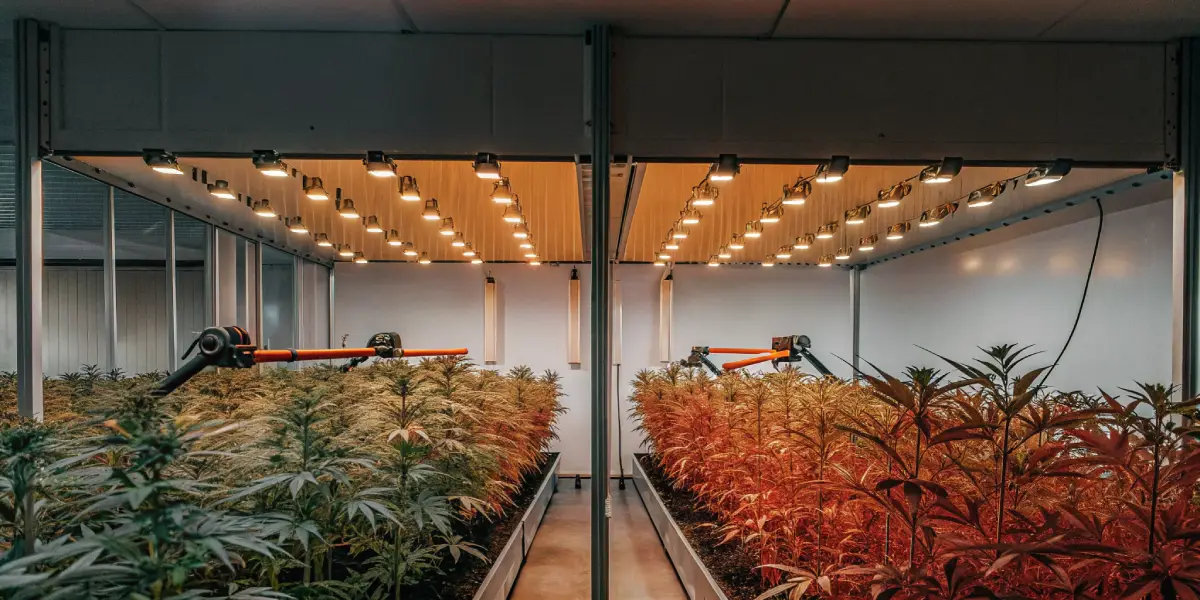
Sensors: The Eyes and Ears
At the heart of any smart grow system are sensors. These devices act as the eyes and ears of the operation, constantly monitoring crucial environmental and plant-specific parameters. They gather data that's then used by AI algorithms to optimize growing conditions. Understanding what these sensors measure is critical to appreciating the power of AI-enhanced cultivation.
Environmental sensors are perhaps the most common. These track temperature, humidity, CO2 levels, and light intensity – all factors that significantly impact plant growth. Soil sensors provide information on moisture levels, pH, and nutrient content, ensuring plants receive the right amount of water and nourishment. These are important, but not always highly precise.
More advanced systems incorporate plant sensors that directly assess plant health. These can measure growth rate, leaf temperature, and even detect early signs of stress. While the technology is still evolving, the ability to monitor plant responses in real-time offers tremendous potential. It's important to remember that the accuracy of these systems relies on well-calibrated sensors and reliable data transmission.
I’m not a sensor engineer, and the internal workings of these devices are complex. What matters most is the quality and reliability of the data they provide. Accurate, real-time information is the foundation upon which all AI-driven optimization is built.
- Temperature & Humidity Sensors: Monitor climate control.
- CO2 Sensors: Measure carbon dioxide levels for photosynthesis.
- Light Sensors: Track light intensity and spectrum.
- Soil Moisture Sensors: Determine water content in the growing medium.
- pH Sensors: Assess soil acidity or alkalinity.
- Nutrient Sensors: Measure the availability of essential nutrients.
Sensor Comparison for AI-Enhanced Cannabis Cultivation
| Sensor Type | Measures | Accuracy Range | Typical Cost |
|---|---|---|---|
| Temperature/Humidity | Air temperature and relative humidity | High | Approximately $50 - $200 |
| Soil Moisture | Volumetric water content in the growing medium | Medium | Approximately $30 - $150 |
| pH | Acidity or alkalinity of soil and nutrient solutions | Medium | Approximately $40 - $250 |
| Light Intensity | Photosynthetically Active Radiation (PAR) levels | Medium | Approximately $80 - $300 |
| CO2 | Carbon dioxide concentration in the grow space | Medium | Approximately $100 - $400 |
| Leaf Temperature | Surface temperature of plant leaves | Low to Medium | Approximately $60 - $200 |
Illustrative comparison based on the article research brief. Verify current pricing, limits, and product details in the official docs before relying on it.
AI-Powered Control Systems
The data collected by sensors isn’t useful in isolation. It needs to be processed and interpreted, and that’s where AI-powered control systems come into play. These systems use machine learning algorithms to analyze sensor data and make adjustments to growing conditions in real-time. Think of it as a sophisticated autopilot for your grow operation.
Machine learning algorithms identify patterns and correlations within the data. For example, they can learn how specific temperature and humidity combinations affect plant growth, or how different nutrient levels impact yield and potency. This learning process allows the system to predict plant needs and proactively adjust parameters accordingly. It’s not about setting static values; it’s about dynamic optimization.
Predictive modeling is a key component of these systems. By analyzing historical data and current conditions, AI can anticipate potential problems—like nutrient deficiencies or pest infestations—before they become serious. This allows growers to intervene early, preventing yield loss and maintaining plant health. The goal is to create a closed-loop system where sensors provide data, AI analyzes it, and adjustments are made automatically.
California’s evolving cannabis regulations, outlined in the January 2026 Medicinal & Adult Use Cannabis Regulations, may also influence data logging requirements for licensed growers. While not directly related to AI, the need for comprehensive data tracking could incentivize the adoption of smart growing technologies. The regulations emphasize demonstration of compliance, and detailed data is a strong demonstration.
- Data Collection: Sensors gather real-time data on environmental and plant conditions.
- Data Analysis: AI algorithms analyze the data to identify patterns and correlations.
- Predictive Modeling: The system predicts future plant needs based on historical data and current conditions.
- Automated Adjustments: AI automatically adjusts environmental controls and nutrient delivery.
- Continuous Learning: The system continuously learns and improves its performance over time.
Automated Nutrient Delivery
One of the most significant benefits of AI-enhanced cultivation is the ability to automate nutrient delivery. Traditional nutrient management often relies on manual mixing and application, which can be imprecise and lead to waste. AI-powered systems can precisely control the amount and timing of nutrient delivery, ensuring plants receive exactly what they need, when they need it.
These systems typically use peristaltic pumps and solenoid valves to deliver nutrient solutions directly to the root zone. The AI algorithms determine the optimal nutrient ratios based on sensor data and plant growth stage. This level of precision minimizes nutrient waste, reduces the risk of over- or under-feeding, and promotes healthier plant growth. It’s a far cry from the guesswork involved in manual nutrient management.
The potential for customized nutrient blends is another key advantage. Different cannabis strains have different nutritional requirements. AI can be programmed to deliver tailored nutrient solutions based on the specific strain being grown. This personalization can lead to significant improvements in yield, potency, and overall plant quality. Systems like those from Advanced Nutrients are beginning to integrate with smart controls.
Closed-loop control is the ultimate goal. In these systems, sensor data continuously monitors nutrient levels in the soil and adjusts delivery accordingly. This creates a self-regulating system that minimizes human intervention and maximizes efficiency.
Pest and Disease Detection
Early detection is crucial when it comes to preventing pest and disease outbreaks. AI is increasingly being used to automate this process, identifying subtle signs of problems that a human might miss. Image recognition technology is at the forefront of this innovation. High-resolution cameras capture images of plants, and AI algorithms analyze them for visual cues indicative of pests or diseases.
These algorithms are trained on vast datasets of healthy and diseased plant images. They learn to identify subtle changes in leaf color, shape, and texture that can signal the onset of a problem. The system can then alert the grower, allowing them to take preventative measures before the outbreak spreads. It's like having a virtual plant pathologist constantly monitoring your grow.
Preventative measures are always the best approach. By identifying potential problems early, AI can help growers avoid the need for harsh chemical treatments. This is not only beneficial for plant health but also for the environment. I’m curious if systems can reliably differentiate between nutrient deficiencies, which can look like early disease symptoms, and actual pathogens.
The effectiveness of these systems depends on the quality of the images and the accuracy of the algorithms. Proper lighting and camera placement are essential for capturing clear images. Continuous algorithm training is also crucial to ensure the system can accurately identify new and emerging threats.
- Image Recognition: Analyzes plant images for visual cues of pests or diseases.
- Early Detection: Identifies problems before they become widespread.
- Preventative Measures: Enables timely intervention to avoid outbreaks.
- Reduced Chemical Use: Minimizes the need for harsh treatments.

Home Grow Systems: What's Available Now?
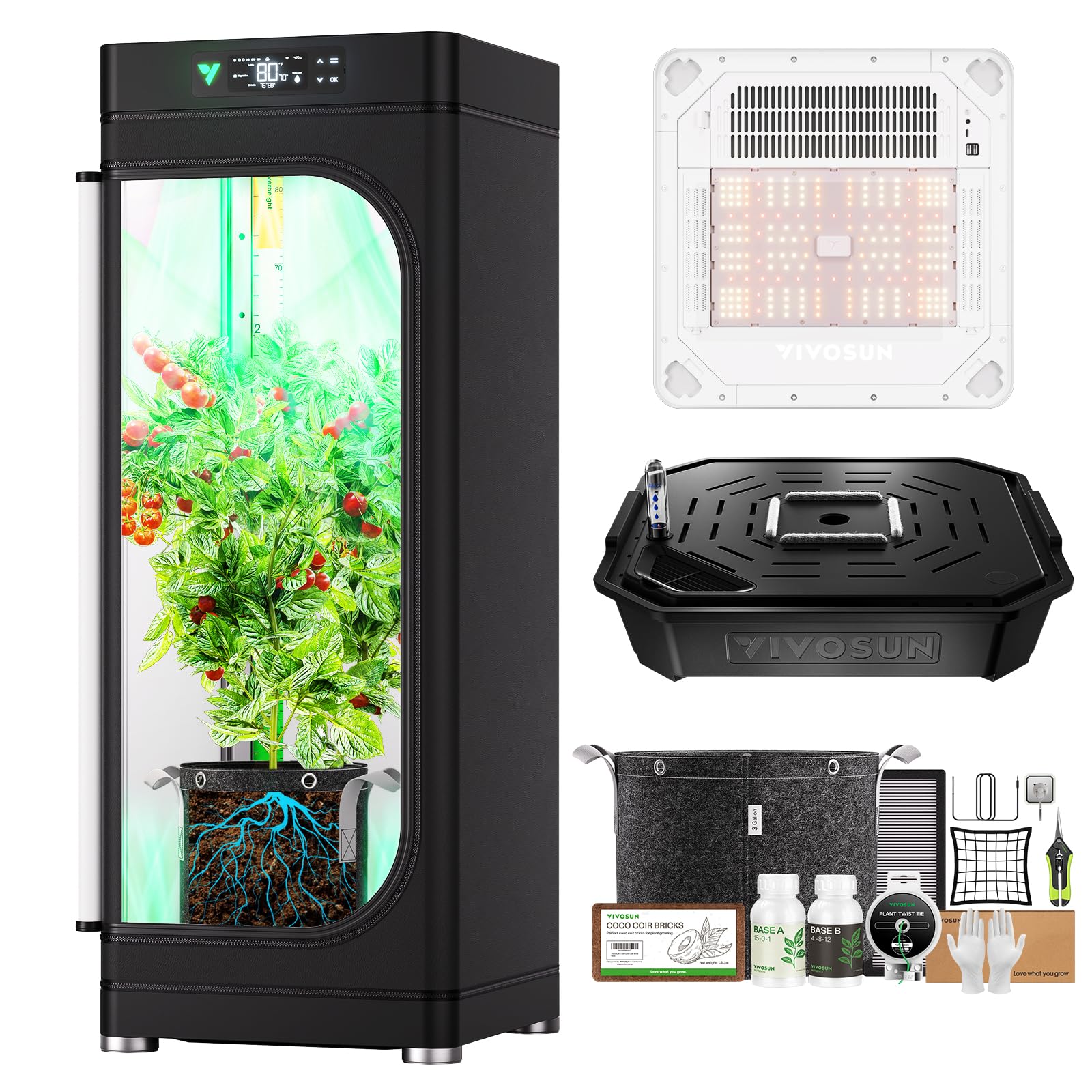
The good news for home growers is that AI-enhanced cultivation is no longer limited to large commercial operations. A growing number of products are available to help even novice growers automate their setups. These range from all-in-one grow boxes to smart controllers that can be integrated with existing systems. The price points vary widely, depending on the features and level of automation.
All-in-one grow boxes, like those offered by Grobo, provide a complete, self-contained growing environment. These systems typically include sensors, automated nutrient delivery, and climate control, all managed by an AI-powered control system. They are relatively expensive, but they offer a convenient and user-friendly option for beginners. Smart controllers, such as those from Bloom Labs, can be added to existing grow setups to automate environmental controls and nutrient delivery.
For more tech-savvy growers, DIY options are also available. Using a Raspberry Pi or Arduino, it’s possible to build a custom automation system tailored to specific needs. This requires some programming knowledge and technical skill, but it offers the greatest flexibility and control. These systems can be configured to monitor sensors, control pumps and lights, and even send alerts via smartphone.
Even basic automation can make a significant difference for beginners. A simple timer for lights and a soil moisture sensor can help reduce the risk of common mistakes. As the California regulations require tracking for even home grows, some of these systems may provide features to assist with compliance, though this is still an evolving area.
- All-in-One Grow Boxes: Complete, self-contained systems with automated controls (e.g., Grobo).
- Smart Controllers: Add automation to existing setups (e.g., Bloom Labs).
- DIY Systems: Raspberry Pi/Arduino-based custom automation.
Future Trends: What to Expect
The future of AI in cannabis cultivation is incredibly promising. We’re only just beginning to scratch the surface of what’s possible. Several emerging trends have the potential to revolutionize the industry in the coming years. Robotics is one area to watch. Automated pruning, harvesting, and transplanting could significantly reduce labor costs and improve efficiency.
Genetic optimization is another exciting prospect. AI can be used to analyze plant genomes and identify desirable traits, accelerating the breeding process and leading to the development of new and improved strains. Personalized growing recipes, tailored to specific cultivars and environmental conditions, will become increasingly common. Imagine a system that automatically adjusts nutrient levels and lighting schedules based on the unique needs of each plant.
I don't think we'll see fully autonomous grow operations anytime soon, but the level of automation will continue to increase. AI will play a more significant role in every aspect of the cultivation process, from seed to sale. This will lead to higher yields, consistent quality, and reduced costs.
As AI becomes more sophisticated, it could also help address some of the challenges facing the cannabis industry, such as regulatory compliance and supply chain management. The potential for innovation is vast, and the next few years promise to be an exciting time for cannabis cultivation.



No comments yet. Be the first to share your thoughts!