

Beyond the Buzz: Functional Foods Emerge
The focus on cannabis is shifting from its psychoactive effects to its potential for wellbeing. In 2026, cannabis-infused functional foods are surging – edibles designed to actively improve health, not just provide a high. These are thoughtfully crafted products aimed at specific health needs.
This shift is intentional, moving from recreational use to a holistic approach. People seek natural ways to manage stress, improve sleep, boost energy, and support recovery, and cannabis can be an effective tool when formulated correctly. This is a growing market driven by consumer demand and evolving regulations.
Regulatory acceptance is significant. California's January 2026 updates to its cannabis regulations emphasize personnel training and manufacturing standards, supporting higher quality products. This scrutiny channels innovation into more responsible development.
Weed Almighty's 2026 legalization map shows a trend: as states legalize, regulation prioritizes public health and safety. This creates a favorable environment for functional foods as consumer confidence grows.
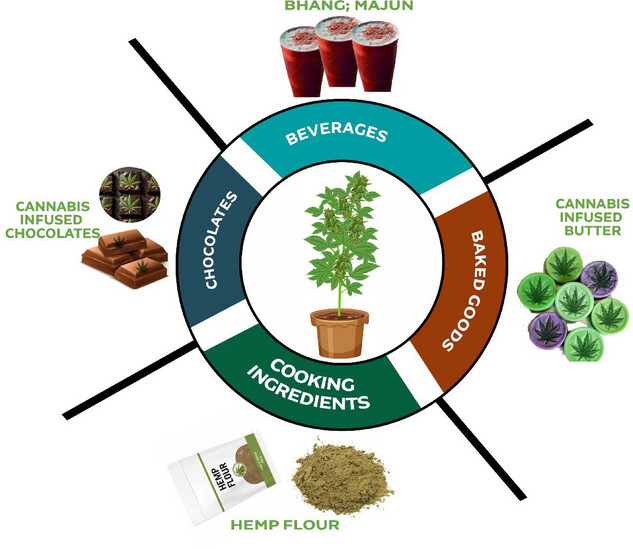
Decoding Cannabinoid Profiles for Wellness
THC is no longer the sole focus. The power of cannabis-infused functional foods comes from the interplay of cannabinoids like CBD, CBG, CBN, and THC, each offering unique potential benefits. Understanding these profiles helps choose products for specific needs.
CBD (cannabidiol) is known for reducing anxiety and inflammation without intoxication. CBG (cannabigerol) shows potential for neuroprotection and focus support. CBN (cannabinol) is often used for its sedative effects in sleep products.
THC is used for pain relief or muscle recovery, often in lower doses in functional foods, combined with other cannabinoids to modulate effects. The ideal profile depends on the desired outcome; a morning energy bite might use CBG, while an evening sleep aid would use CBN and CBD.
Accurate labeling and third-party testing are essential. Know exactly what you're getting in each serving. Look for products with a Certificate of Analysis (COA) from an independent lab, verifying cannabinoid content and ensuring the absence of harmful contaminants.
- CBD: Anxiety reduction, inflammation support
- CBG: Neuroprotection, focus enhancement
- CBN: Sedative effects, sleep promotion
- THC: Pain relief, muscle recovery (often in lower doses)
Cannabinoid Effects in Functional Foods (Qualitative Overview)
| Cannabinoid | Typical Effects | Potential Benefits in Functional Foods | Considerations for Dosage |
|---|---|---|---|
| THC | Psychoactive; can induce euphoria, altered perception, and relaxation. Effects are highly variable based on individual tolerance and dosage. | May enhance appetite, potentially aiding nutrient absorption in foods. Could offer mood enhancement alongside nutritional benefits. | Dosage must be carefully controlled due to psychoactive effects and legal restrictions. Start with very low amounts and be mindful of state regulations regarding infused edibles. |
| CBD | Non-psychoactive; generally promotes a sense of calm and well-being. May counteract some of the psychoactive effects of THC. | Potential to reduce inflammation, anxiety, and pain. Can be incorporated into a wide range of foods for general wellness benefits. | CBD is generally well-tolerated, but optimal dosages vary. Effects are often subtle and may require consistent use. |
| CBG | Non-psychoactive; research suggests potential neuroprotective and anti-inflammatory properties. | May support brain health and cognitive function when included in functional foods. Potential to aid in managing discomfort. | CBG is less studied than THC and CBD, so effects are still being investigated. Dosage is typically lower than CBD due to its potency. |
| CBN | Mildly psychoactive; often associated with sedative effects, though this is debated. | May promote relaxation and sleep when consumed in functional foods, particularly those enjoyed before bedtime. Potential for pain relief. | CBN’s sedative effects are not universally experienced. Dosage should be carefully considered, especially for those sensitive to psychoactive compounds. |
| THC & CBD Blend | Combined effects – THC provides psychoactivity alongside CBD’s calming influence. The CBD can modulate the intensity of the THC experience. | Synergistic effects may enhance both the therapeutic and enjoyable aspects of functional foods. Can be tailored to achieve desired effects. | Careful balancing of THC and CBD is crucial to avoid unwanted psychoactive effects. Legal considerations apply based on THC content. |
Illustrative comparison based on the article research brief. Verify current pricing, limits, and product details in the official docs before relying on it.
15 Trending Recipes: A 2026 Roundup
Here are 15 recipes for cannabis-infused functional foods. Dosage recommendations are approximate and should be adjusted based on individual tolerance and legal limits. Start low and go slow.
1. CBD-Infused Overnight Oats (Sleep): Combine 1/2 cup rolled oats, 1 cup almond milk, 1 tbsp chia seeds, 1 tsp honey, and 5-10mg CBD. Refrigerate overnight. Cannabinoid Profile: High CBD, low THC. Dosage: Good for winding down before bed.
2. CBG-Infused Energy Bites: Blend 1 cup dates, 1/2 cup nuts, 1/4 cup seeds, 1 tbsp cacao powder, and 5mg CBG. Roll into bites. Cannabinoid Profile: High CBG, minimal THC. Dosage: Provides sustained energy without jitters.
3. THC-Infused Post-Workout Recovery Smoothie (where legal): Blend 1 cup frozen berries, 1/2 banana, 1 scoop protein powder, 1 cup almond milk, and 2.5-5mg THC until smooth. Cannabinoid Profile: Balanced THC/CBD. Dosage: Check local laws before preparing.
4. CBN-Infused Lavender Honey: Gently warm 1/2 cup honey, infuse 1 tbsp dried lavender for 30 minutes, then strain. Add 5mg CBN. Cannabinoid Profile: High CBN, low THC. Dosage: Add to tea or take a spoonful before bed.
5. CBD-Infused Turmeric Golden Milk: Heat and whisk 1 cup almond milk, 1 tsp turmeric, 1/2 tsp ginger, 1/4 tsp black pepper, and 5-10mg CBD. Cannabinoid Profile: High CBD, anti-inflammatory. Dosage: Soothing and restorative.
6. CBG-Infused Matcha Latte: Whisk 1 tsp matcha powder, 1 cup almond milk, 1 tbsp honey, and 5mg CBG. Cannabinoid Profile: High CBG, stimulating. Dosage: A focused and alert start to the day.
7. THC-Infused Dark Chocolate Avocado Mousse (where legal): Blend 1 avocado, 1/4 cup cacao powder, 1/4 cup maple syrup, and 2.5-5mg THC until smooth. Cannabinoid Profile: Balanced THC/CBD, decadent. Dosage: Consume responsibly.
8. CBD-Infused Green Juice: Juice 1 cup spinach, 1/2 cucumber, 1/2 apple, 1/4 lemon, and 5-10mg CBD. Cannabinoid Profile: High CBD, nutrient-rich. Dosage: A healthy and calming boost.
9. CBG-Infused Trail Mix: Combine nuts, seeds, dried fruit, dark chocolate, and 5mg CBG per serving. Cannabinoid Profile: High CBG, sustained energy. Dosage: A convenient and portable snack.
10. THC-Infused Lemonade (where legal): Mix lemon juice, water, sugar, and 2.5-5mg THC. Cannabinoid Profile: Balanced THC/CBD, refreshing. Dosage: Hydrating and uplifting.
11. CBD-Infused Salad Dressing: Whisk olive oil, lemon juice, Dijon mustard, garlic, and 5-10mg CBD. Cannabinoid Profile: High CBD, versatile. Dosage: Enhance your favorite salad.
12. CBG-Infused Pesto: Blend basil, pine nuts, garlic, parmesan cheese, olive oil, and 5mg CBG. Cannabinoid Profile: High CBG, savory. Dosage: Flavorful and functional.
13. THC-Infused Roasted Vegetables (where legal): Assorted vegetables, olive oil, herbs, 2.5-5mg THC. Roast vegetables. Cannabinoid Profile: Balanced THC/CBD, nutritious. Dosage note: A delicious and discreet way to consume.
14. CBD-Infused Bone Broth: Bone broth, herbs, spices, 5-10mg CBD. Simmer ingredients. Cannabinoid Profile: High CBD, gut-healing. Dosage note: Warming and restorative.
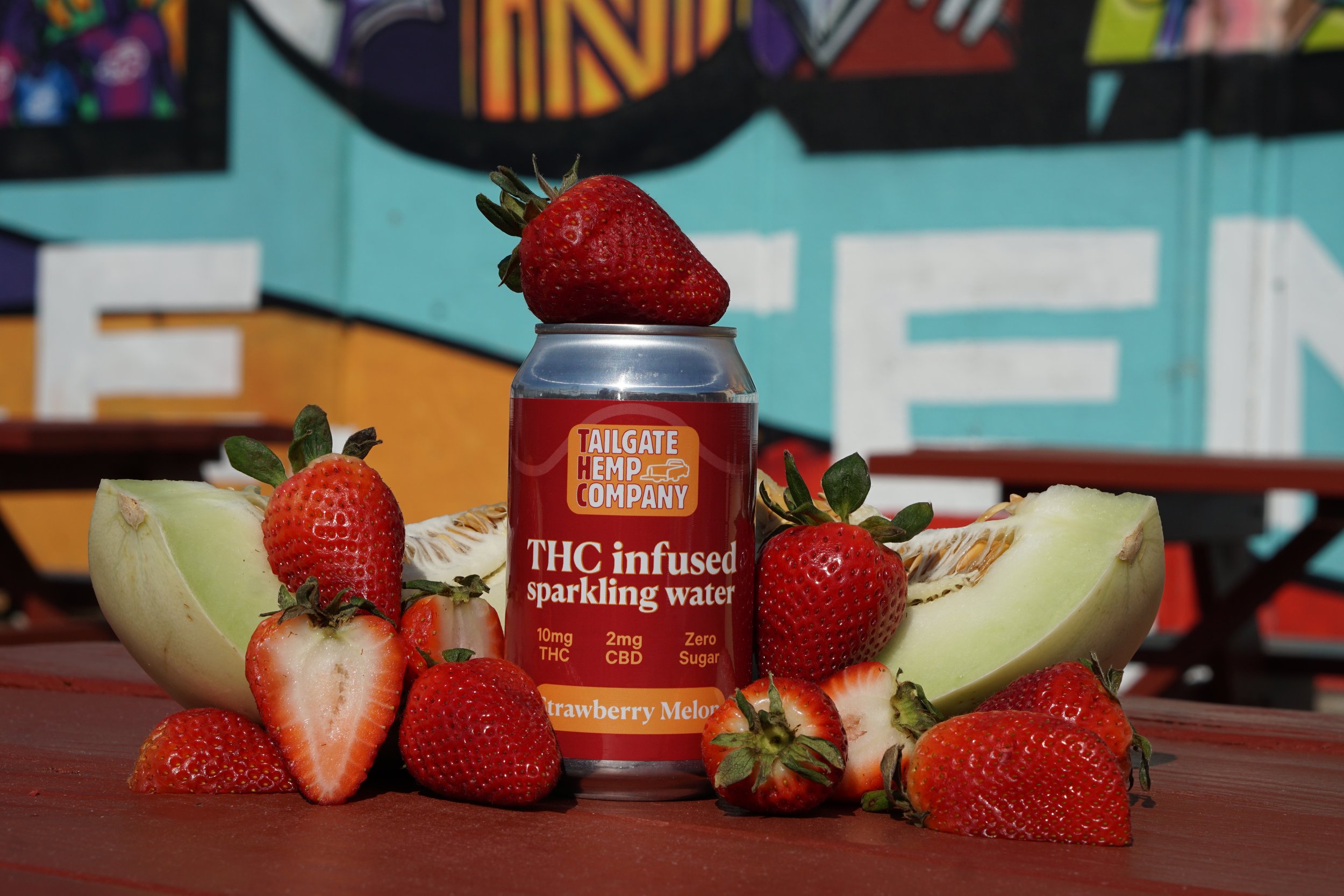
15. CBG-Infused Sparkling Water: Sparkling water, fruit juice, 5mg CBG. Combine ingredients. Cannabinoid Profile: High CBG, hydrating. Dosage note: A refreshing and subtle boost.
Recipe Standouts: Deeper Dives
Let’s zoom in on a few recipes that really stand out for their innovation and potential benefits. First, the CBG-Infused Energy Bites. These aren’t just a quick snack; they’re a carefully calibrated blend designed to provide sustained energy and focus without the crash associated with caffeine or sugar. The key is the CBG, which interacts with the endocannabinoid system to promote alertness and cognitive function.
For a more sophisticated option, consider the THC-Infused Dark Chocolate Avocado Mousse (where legal). This recipe demonstrates how cannabis can be integrated into indulgent treats without compromising on wellness. The avocado provides healthy fats and a creamy texture, while the dark chocolate offers antioxidants. The THC, in a carefully controlled dose, can enhance relaxation and enjoyment. Remember to always check local laws.
Finally, the CBD-Infused Turmeric Golden Milk is a powerhouse of anti-inflammatory goodness. Turmeric and ginger are already known for their health benefits, and the addition of CBD amplifies these effects. This is a particularly good choice for those seeking relief from chronic pain or inflammation. A chef friend of mine, Anya Sharma, suggests adding a pinch of black pepper to enhance turmeric absorption.
Infusion Methods: Beyond Butter & Oil
For years, cannabis chefs relied heavily on infusing butter or oil as the primary method for incorporating cannabis into food. While still effective, newer techniques are gaining popularity, offering improved bioavailability, flavor, and versatility. Water-soluble emulsions, for example, allow cannabinoids to dissolve directly in water-based liquids, making them ideal for beverages and soups.
Nano-emulsions take this a step further, breaking down cannabinoids into incredibly small particles – nanometers in size – which significantly increases their absorption rate. This means you need a lower dose to achieve the same effect. However, nano-emulsions can be more complex and expensive to produce.
Traditional butter and oil infusions are still reliable, particularly for baked goods and savory dishes. The downside is that cannabinoids are fat-soluble, meaning they’re not as easily absorbed by the body. The choice of method ultimately depends on the desired outcome and the specific recipe.
Navigating Legalities & Dosage in 2026
The legal landscape of cannabis-infused foods is complex and constantly evolving. Weed Almighty’s 2026 legalization map (weedalmighty.com) provides a comprehensive overview of state-specific laws, but it's essential to stay informed about the latest regulations in your area. Dosage limits, labeling requirements, and testing standards vary widely.
In states where cannabis-infused foods are legal, there are typically restrictions on the amount of THC allowed per serving. These limits are designed to protect consumers and prevent accidental overconsumption. It’s also crucial to check for regulations regarding packaging, labeling, and advertising.
Calculating appropriate dosages is paramount. A good starting point is 2.5-5mg of THC for beginners, but individual tolerance varies significantly. Factors like body weight, metabolism, and prior cannabis experience all play a role. Always start with a low dose and wait at least two hours before consuming more. Responsible consumption is key.
The Future of Cannabis Cuisine
The future of cannabis-infused functional foods is brimming with potential. We’re likely to see continued advancements in cannabinoid research, leading to a deeper understanding of their therapeutic benefits and optimal combinations. Personalized nutrition, tailored to individual genetic profiles and wellness goals, could become a major trend.
New ingredient combinations are also on the horizon. Expect to see more innovative pairings of cannabis with adaptogens, superfoods, and other functional ingredients. The growing interest in sustainable and ethically sourced cannabis is another positive development, ensuring that these products are not only good for your health but also good for the planet.
Technology will undoubtedly play a larger role, with smart packaging and precise dosing systems becoming more commonplace. However, the industry still faces challenges, including regulatory hurdles and the need for greater public education. Despite these uncertainties, the future of cannabis cuisine looks incredibly promising.
What type of cannabis-infused functional food are you most interested in trying?
Vote below to share your preference for functional cannabis recipes.
No comments yet. Be the first to share your thoughts!