
The Current State of Cannabis Laws in America: A 2024 Overview
The landscape of cannabis laws across the United States has undergone dramatic transformation over the past decade, with 2024 marking another pivotal year in the ongoing evolution of marijuana legalization. As we navigate this complex legal terrain, understanding where each state stands on cannabis regulations has become essential for consumers, businesses, and policymakers alike.
Currently, the United States presents a patchwork of cannabis laws that vary significantly from state to state. While federal prohibition technically remains in place under the Controlled Substances Act, individual states have exercised their authority to establish their own cannabis frameworks, creating a unique legal environment where state and federal laws often conflict.
Cannabis Legal Status by State - 2024 Overview
| State | Recreational Status | Medical Status | CBD-Only Program | Key 2024 Changes |
|---|---|---|---|---|
| California | Legal (2016) | Legal (1996) | N/A | Expanded social equity programs, revised tax structure |
| Texas | Illegal | Limited (Low-THC) | Legal | Expanded medical conditions list, increased THC limits to 1% |
| Florida | Illegal | Legal (2016) | Legal | Adult-use ballot measure failed, medical program expansion continues |
| New York | Legal (2021) | Legal (2014) | N/A | Retail dispensaries fully operational, home cultivation permitted |
| Ohio | Legal (2023) | Legal (2016) | N/A | Recreational sales began August 2024, possession limits established |
| Georgia | Illegal | Limited (Low-THC) | Legal | Medical program remains restrictive, no expansion in 2024 |
| Minnesota | Legal (2023) | Legal (2014) | N/A | Retail market launched, social equity provisions implemented |
| North Carolina | Illegal | Illegal | Legal | Medical cannabis bill stalled in legislature, CBD remains legal |
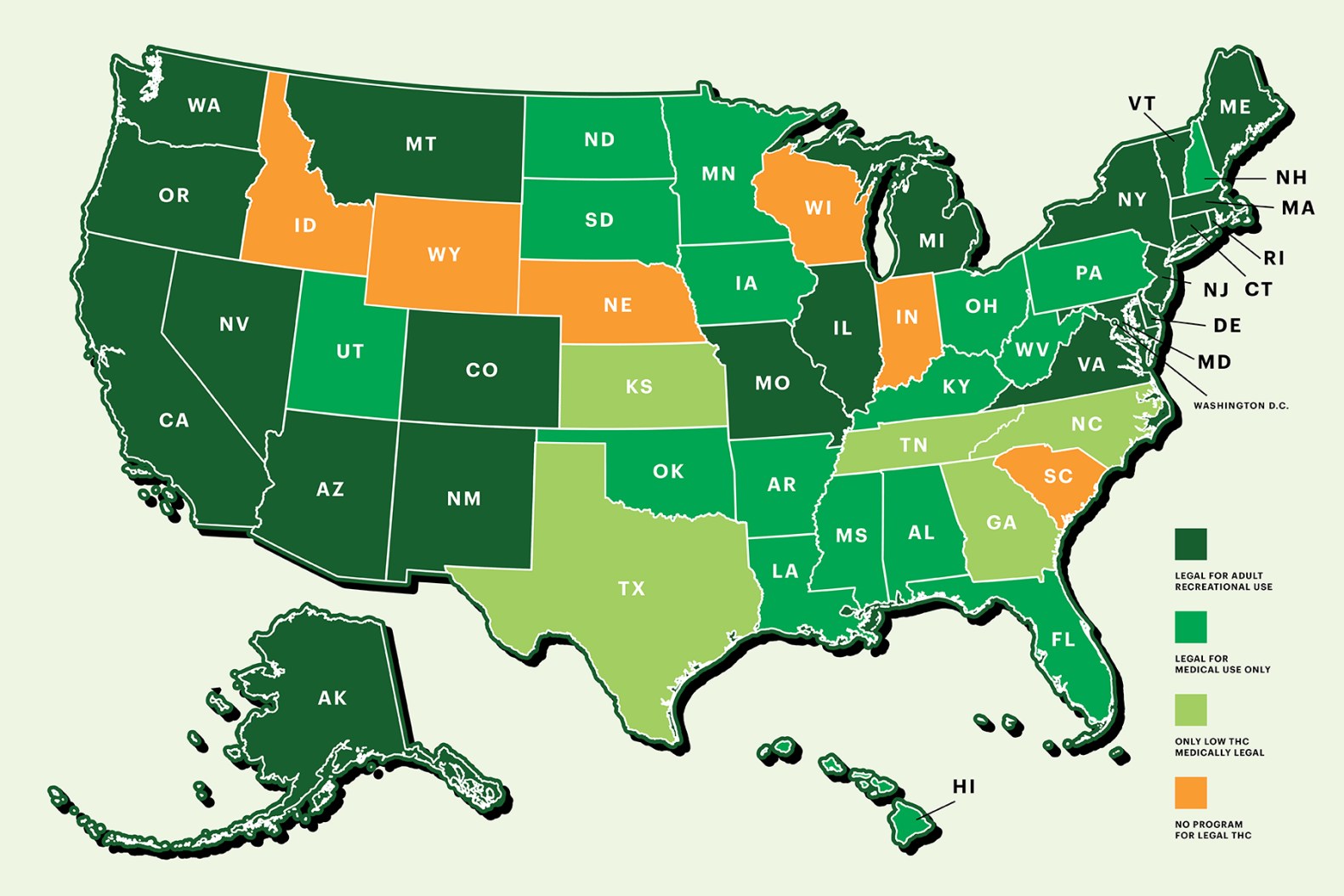
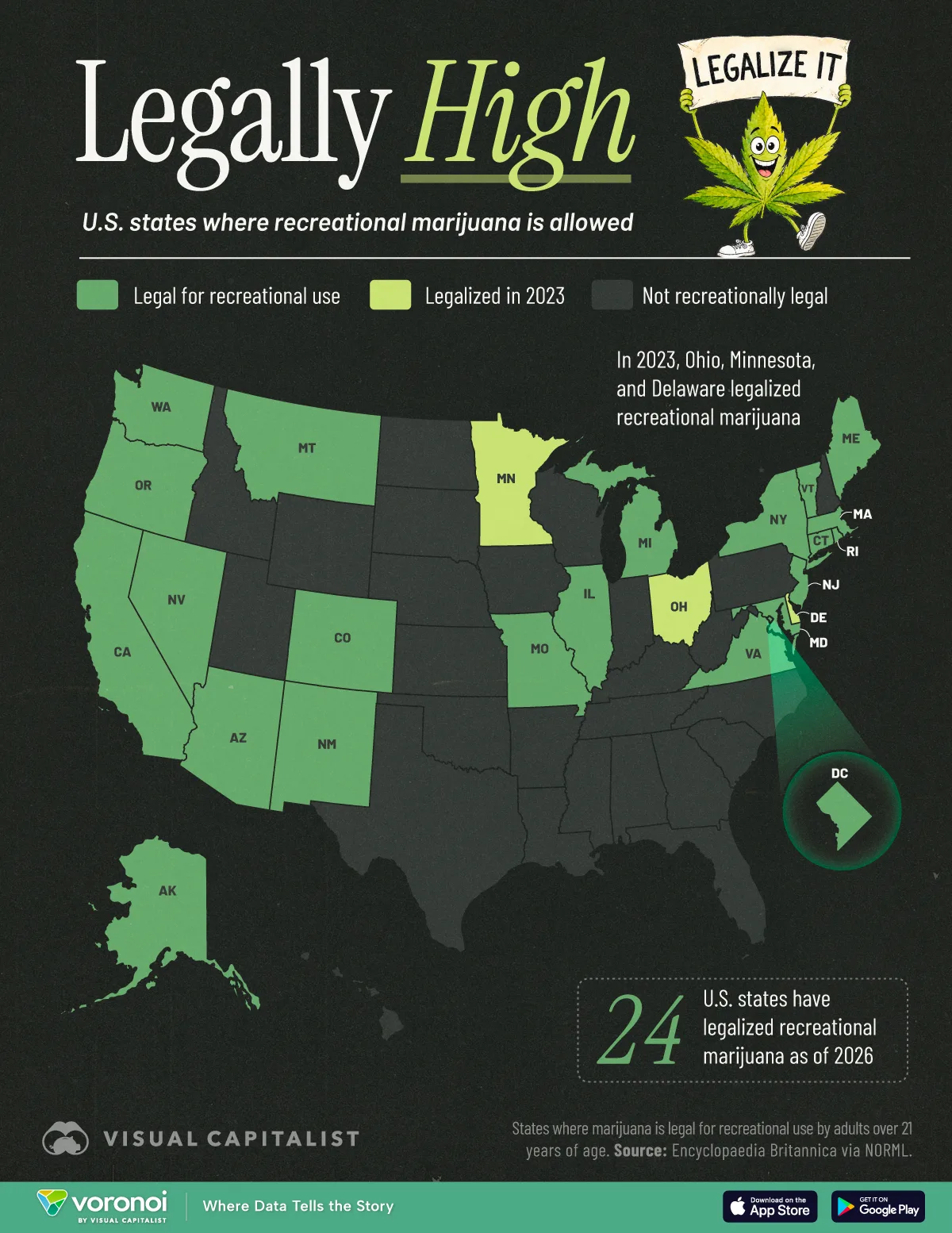
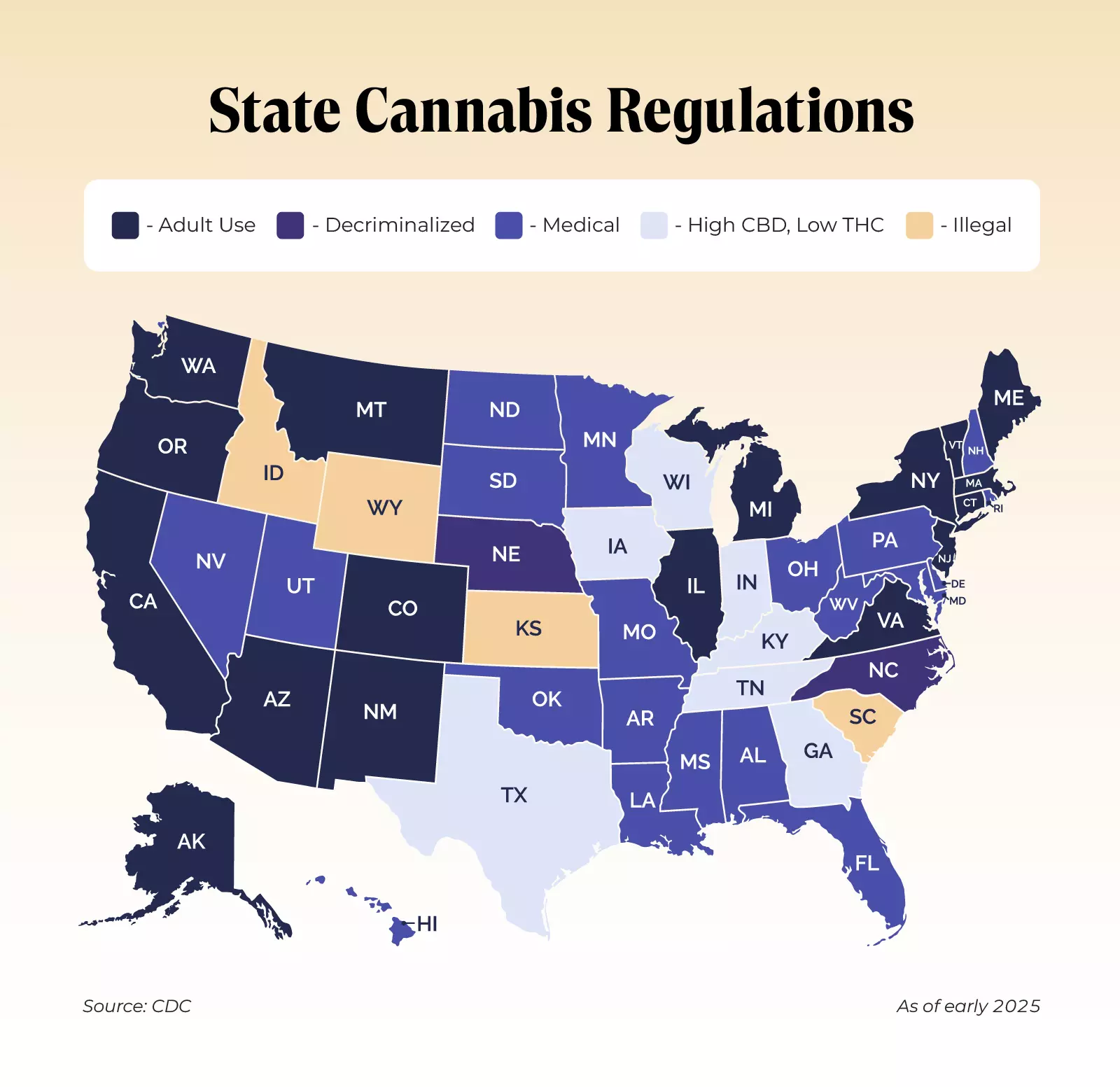
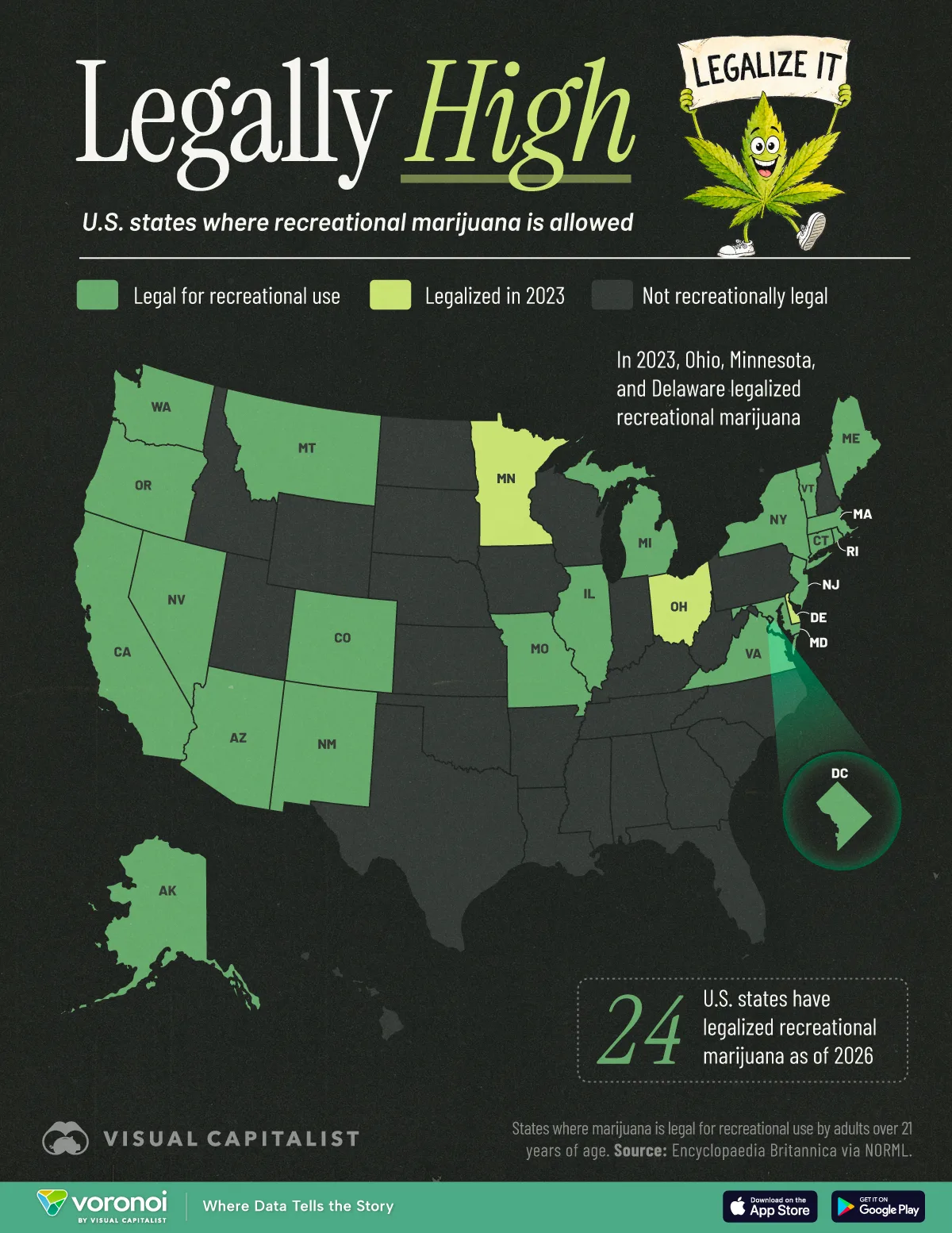
The momentum behind cannabis reform shows no signs of slowing down. Twenty-four states, plus the District of Columbia and two territories, have fully legalized cannabis for adult recreational use, representing a majority of the American population. Meanwhile, thirty-eight states have established comprehensive medical cannabis programs, with an additional nine states offering limited access to CBD or low-THC products for specific medical conditions.
Only three states—Idaho, Kansas, and Nebraska—maintain complete prohibition of cannabis in all forms, making them increasingly isolated in their stance as neighboring states embrace various forms of legalization. This geographic clustering of legal states has created interesting dynamics, with prohibition states often seeing residents cross borders to access legal cannabis in neighboring jurisdictions.
Cannabis Legal Status by State - 2024 Overview
| State | Legal Status | Recreational Launch Date | Medical Program | Key 2024 Changes |
|---|---|---|---|---|
| California | Recreational Legal | January 1, 2018 | Yes (1996) | Expanded social equity programs, revised tax structure |
| Texas | Medical CBD Only | N/A | Limited (2015) | Expanded qualifying conditions for low-THC cannabis |
| Florida | Medical Only | N/A | Yes (2016) | Adult-use ballot measure approved for November 2024 |
| New York | Recreational Legal | December 29, 2022 | Yes (2014) | Continued retail expansion, home cultivation allowed |
| Ohio | Recreational Legal | August 6, 2024 | Yes (2016) | Recreational sales began, home cultivation permitted |
| Minnesota | Recreational Legal | August 1, 2023 | Yes (2014) | First full year of adult-use sales, market stabilization |
| Idaho | Prohibition | N/A | No | No legislative changes, maintains strict prohibition |
| Delaware | Recreational Legal | April 23, 2023 | Yes (2011) | Retail market development ongoing, licensing expansion |
The year 2024 has brought significant changes to the cannabis legal landscape. Several states have implemented new regulations, expanded existing programs, or moved closer to full legalization. Understanding these changes is crucial for anyone involved in the cannabis industry or simply seeking to stay informed about their local laws.
Key trends shaping cannabis laws in 2024 include increased focus on social equity programs, evolving taxation structures, interstate commerce considerations, and workplace safety regulations. Many states are also grappling with banking restrictions, advertising limitations, and the ongoing challenge of operating legal cannabis businesses while the substance remains federally prohibited.
The economic impact of cannabis legalization has been substantial, with legal states generating billions in tax revenue while creating hundreds of thousands of jobs. This economic success has influenced policy discussions in prohibition states, where lawmakers increasingly view cannabis legalization as a potential solution to budget shortfalls and economic development challenges.
However, legalization has also brought new challenges. States must balance public health concerns with personal freedom, establish effective regulatory frameworks, and address issues like impaired driving, youth access prevention, and product safety standards. The lack of federal guidance has forced states to develop their own solutions, leading to significant variation in how cannabis markets operate across different jurisdictions.
As we examine the state-by-state breakdown of cannabis laws, it's important to understand that these regulations are not static. Legislative sessions, ballot initiatives, and regulatory updates continue to reshape the cannabis landscape on an ongoing basis. What remains legal in one state may be prohibited in another, and penalties for violations can range from minor fines to serious criminal charges.
This comprehensive guide will help you navigate the complex world of cannabis laws in 2024, providing detailed information about each state's current regulations, recent changes, and what the future may hold for cannabis reform in America.
State-by-State Cannabis Laws: The Complete 2024 Breakdown
Understanding the complex patchwork of cannabis laws across all 50 states requires examining each jurisdiction's unique approach to marijuana legalization. From full recreational access to complete prohibition, the variation in cannabis regulations reflects the ongoing evolution of American drug policy.
Cannabis Laws by State: Legal Status and Regulations (2024)
| State | Legal Status | Possession Limit (Adults 21+) | Home Cultivation | Dispensary Status |
|---|---|---|---|---|
| California | Recreational & Medical | 1 oz flower, 8g concentrate | 6 plants per adult | Licensed dispensaries operating |
| Colorado | Recreational & Medical | 1 oz flower, 8g concentrate | 6 plants per adult | Licensed dispensaries operating |
| New York | Recreational & Medical | 3 oz flower, 24g concentrate | 6 plants per adult | Licensed dispensaries operating |
| Texas | Medical CBD only | Low-THC products only | Prohibited | Limited medical dispensaries |
| Florida | Medical only | 2.5 oz per 35 days | Prohibited | Licensed medical dispensaries |
| Idaho | Prohibited | Illegal | Prohibited | No dispensaries |
| Virginia | Recreational & Medical | 1 oz flower | 4 plants per household | Medical dispensaries only |
| Illinois | Recreational & Medical | 1 oz flower, 5g concentrate | 5 plants per household | Licensed dispensaries operating |
The geographic distribution of cannabis-friendly states reveals interesting patterns in marijuana legalization trends. Western states led the initial wave of legalization, followed by northeastern states, while much of the Southeast and central regions maintain more restrictive policies.
Understanding Different Legal Categories
Cannabis laws in 2024 fall into four primary categories that determine what residents and visitors can legally do with marijuana products. Recreational legal states allow adults 21 and older to purchase, possess, and often cultivate cannabis for personal use. These 24 states have established regulated markets with licensed dispensaries, though possession limits and home cultivation rules vary significantly.
Medical-only states restrict cannabis access to qualifying patients with specific medical conditions. The 38 states with comprehensive medical programs require patient registration and physician recommendations, with varying lists of qualifying conditions ranging from cancer and epilepsy to PTSD and chronic pain.
CBD-only states represent a limited middle ground, allowing access to low-THC, high-CBD products for specific medical conditions. These nine states typically restrict THC content to 0.3-5% and require products to contain significant CBD levels. Qualifying conditions in CBD-only states are usually limited to severe epilepsy, terminal illnesses, or other serious medical conditions.
Prohibition states maintain complete bans on cannabis possession and use, with only three states—Idaho, Kansas, and Nebraska—maintaining full prohibition as of 2024. Even in these states, some have decriminalized small amounts or allow limited CBD products under specific circumstances.
Key Regulatory Differences Across Legal States
Even among states that have legalized cannabis, significant regulatory differences create a complex landscape for consumers and businesses. Possession limits vary dramatically, with some states allowing up to 2.5 ounces of flower while others cap possession at one ounce. Concentrate limits range from 5 grams to 16 grams, and edible limits can vary from 40mg to several thousand mg of THC.
Home cultivation rules represent another major area of variation. Some recreational states allow no home growing, while others permit up to 12 plants per household. Medical patients often receive higher plant counts or additional cultivation privileges. Security requirements, plant limits, and possession of homegrown cannabis also differ substantially between jurisdictions.
Social consumption laws remain restrictive in most states, with only a handful allowing on-site consumption at licensed venues. Public consumption remains illegal virtually everywhere, though enforcement priorities and penalties vary significantly.
Interstate Commerce and Travel Considerations
One of the most complex aspects of current cannabis laws involves interstate travel and commerce. Federal prohibition means that transporting cannabis across state lines remains illegal, even between two recreational states. This creates unique challenges for consumers traveling between legal states and prevents the development of true interstate commerce.
Some states have begun establishing reciprocity agreements for medical patients, allowing visitors with valid medical cards from other states to purchase cannabis locally. However, these agreements are limited and don't extend to recreational users in most cases.
The lack of federal legalization also means that cannabis businesses cannot operate across state lines, leading to the development of separate, state-contained markets with significant price and product variations. This fragmentation affects everything from product availability to testing standards and labeling requirements.
What's Changing in Cannabis Laws: 2024 Trends and Future Outlook
The cannabis legal landscape continues to evolve rapidly in 2024, with several key trends shaping the future of marijuana legalization across America. From pending legislation to regulatory reforms, understanding these changes is crucial for consumers, businesses, and advocates alike.
Pending Legislation and Ballot Initiatives
Several states are considering significant changes to their cannabis laws in 2024. Florida voters will decide on Amendment 3, which would legalize recreational cannabis for adults 21 and older, potentially making it the 25th state to embrace full legalization. Similarly, Nebraska has medical cannabis initiatives on the ballot that could transform it from a prohibition state to allowing limited medical use.
At the federal level, the SAFE Banking Act continues to gain bipartisan support, potentially allowing cannabis businesses to access traditional banking services. The MORE Act, which would federally deschedule cannabis, remains under consideration, though passage faces significant political hurdles.
Regulatory Changes and Market Maturation
Established legal cannabis states are refining their regulatory frameworks to address market challenges and social equity concerns. California has implemented new social equity programs to support communities disproportionately affected by prohibition, while New York continues to roll out its adult-use market with a focus on justice-involved individuals.
Interstate commerce remains a complex issue, with states like Oregon and California exploring pilot programs for cross-border cannabis trade. These initiatives could set precedents for a future national cannabis market, though federal prohibition still presents significant legal obstacles.
Geographic Distribution of Cannabis Laws
The geographic pattern of cannabis legalization reveals interesting regional trends. Western states continue to lead in comprehensive legalization, while Southern states remain largely restrictive. The Midwest shows a mixed approach, with some states embracing reform while others maintain prohibition.
Economic Impact and Tax Revenue
Legal cannabis states continue to see substantial tax revenue from regulated markets. Colorado has generated over $600 million annually in recent years, while California's market exceeded $5 billion in 2023. These economic benefits are driving conversations in prohibition states about the fiscal advantages of legalization.
However, tax structures vary significantly between states, with some implementing high tax rates that may encourage continued black market activity. States are increasingly examining optimal tax levels that maximize revenue while ensuring competitive legal markets.
Social Equity and Criminal Justice Reform
Social equity remains a central focus in newer legalization efforts. States are implementing expungement programs for past cannabis convictions, with over 2 million records cleared nationwide since 2018. License allocation programs prioritize individuals from communities most impacted by prohibition, though implementation challenges persist.
Criminal justice reform extends beyond expungement, with many states reducing penalties for cannabis violations and redirecting law enforcement resources to more serious crimes. This shift represents a fundamental change in how the justice system approaches cannabis-related offenses.
Looking Ahead: Predictions for Cannabis Laws
Several factors will likely influence cannabis law evolution through 2024 and beyond. Federal rescheduling or descheduling could dramatically accelerate state-level reforms, while continued research into cannabis benefits may convince remaining holdout states to reconsider their positions.
The 2024 election cycle will be crucial, with cannabis initiatives on multiple state ballots and federal candidates increasingly supporting reform. Public opinion continues to favor legalization, with recent polls showing over 70% support for medical cannabis and growing support for recreational use.
As we progress through 2024, the momentum toward cannabis reform shows no signs of slowing. Whether through legislative action, ballot initiatives, or regulatory changes, the legal cannabis landscape will continue evolving, bringing us closer to comprehensive national reform while addressing the complex challenges of implementing effective cannabis policy.
No comments yet. Be the first to share your thoughts!