

Summer 2026: A New High
The air smells like charcoal and possibility. Summer 2026 isn’t just about longer days and warmer weather; it’s about a shift in how we experience both. Cannabis culture has moved beyond hushed tones and back alleys, and infused cooking is now a genuine part of sophisticated entertaining. It feels less like a secret indulgence and more like another ingredient in a memorable gathering.
Weed Almighty’s ongoing coverage of cannabis laws shows a clear trend towards normalization. By 2026, several states are expected to have fully legalized home grows and significantly broadened retail access, making it easier – and more legally sound – to incorporate cannabis into summer festivities. This isn’t just about accessibility, though. People are becoming more discerning, more interested in the craft of cannabis cooking, and less satisfied with simply getting "high."
This summer, we’re seeing a demand for nuance. Cannabis connoisseurs want to pair strains with their BBQ, to understand how terpenes play with flavor profiles, and to create edible experiences that are as refined as they are enjoyable. Forget the mystery brownies of the past. 2026 is about intentionality, responsible consumption, and, frankly, really good food.
Cannabutter 2.0: Infusion Tech Update
Cannabutter is still a workhorse, but it’s far from the only game in town. For years, it was the entry point for most home cooks, but now we have a wider range of infusion methods, each with its strengths and weaknesses. Lecithin, for example, allows for water-based infusions, opening up possibilities for THC-infused cocktails and soups. Coconut oil remains popular for its flavor compatibility and higher fat content, which helps with absorption.
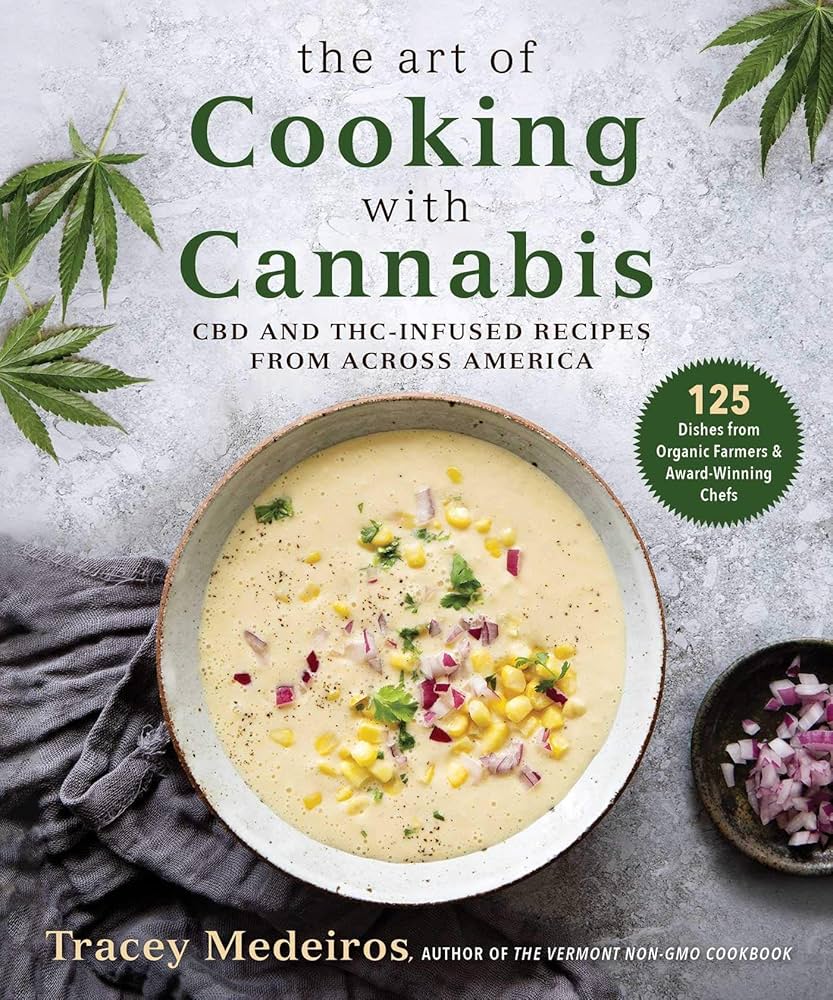
Glycerin is another option, especially for those looking for a more discreet infusion. It’s odorless and tasteless, making it perfect for adding cannabis to beverages without altering their flavor profile. However, glycerin infusions tend to have a lower bioavailability than those made with fats. The Official High Times Cannabis Cookbook remains a solid resource for understanding these foundational techniques, detailing the science behind decarboxylation and the nuances of different solvents.
Looking ahead to 2026, we’re seeing increased interest in ultrasonic extraction as a way to create highly potent and flavorful infusions. It’s still relatively expensive for home use, but the technology is becoming more accessible. Vanessa Lavorato’s work, showcased in her "TH-Cheese Crackers’ video, demonstrates a meticulous approach to home infusion, emphasizing the importance of precise temperature control and high-quality starting material. She really nails the fundamentals. The key takeaway? Don"t skimp on the quality of your flower.
- Lecithin: Water-based infusions, good for beverages.
- Coconut Oil: Flavor compatibility, high fat content for absorption.
- Glycerin: Odorless and tasteless, lower bioavailability.
- Ultrasonic Extraction: Highly potent, requires specialized equipment.
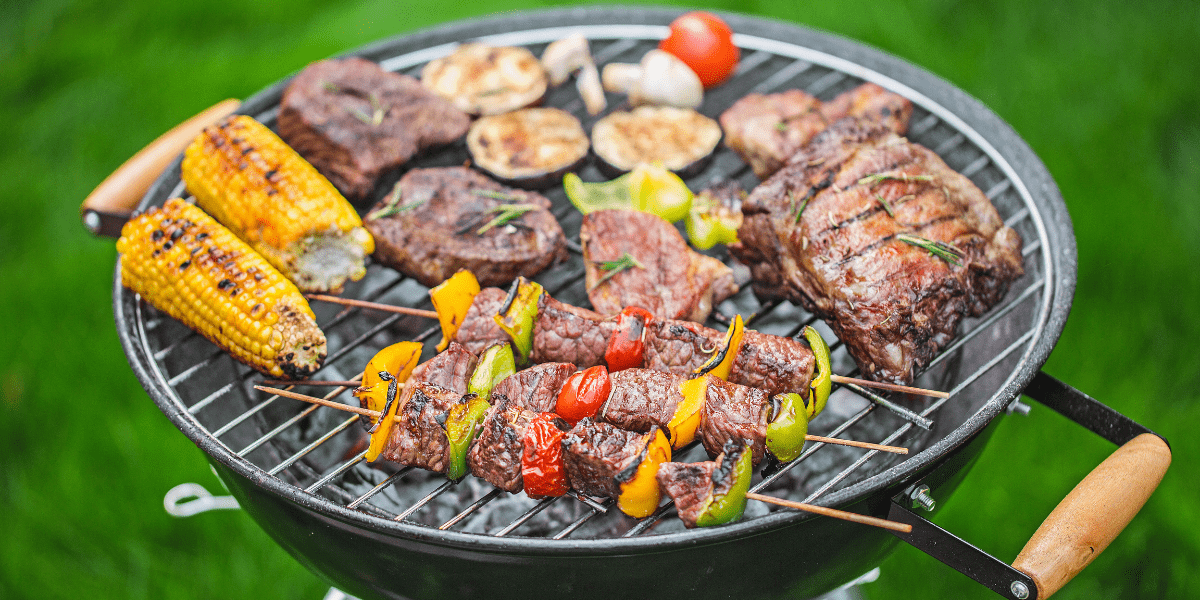
BBQ Beyond Burgers: Infused Grilling
Let’s be honest: infused burgers have had their moment. While still delicious, BBQ offers so much more potential. The key is subtlety. Start with marinades, infusing flavor directly into the meat. A cannabis-infused chimichurri sauce, for example, adds a bright, herbaceous kick to grilled steak without being overwhelming. Use a low dose of cannabutter in the marinade – we're aiming for a gentle enhancement, not a full-blown high.
Sauces are another great vehicle for cannabis. A BBQ sauce with a hint of THC can transform a standard rack of ribs into something truly special. Remember, fat is your friend here; the cannabinoids bind to the fat molecules, increasing absorption. Similarly, rubs can be infused with cannabis-infused oils or finely ground flower. For chicken, consider a marinade with limonene-rich strains – the citrusy terpenes complement the poultry beautifully.
Even grilled fruit can benefit from a cannabis infusion. Peaches, pineapple, and watermelon all pair well with certain strains. Think about the flavor profile of the cannabis and how it will interact with the sweetness of the fruit. Dosage is critical. Start with a very low dose – 2.5mg to 5mg per serving – and wait at least two hours before consuming more. It’s always better to underdo it than overdo it, especially when you’re serving guests. Stink Blossom’s guide to infused grilling recipes offers some great inspiration.
For ribs, I recommend a low and slow cook, using a rub infused with cannabutter and a strain like Blue Dream. The myrcene in Blue Dream will promote relaxation, complementing the rich, smoky flavor of the ribs. Don't forget to let the ribs rest after cooking; this allows the cannabinoids to distribute evenly throughout the meat.
Cocktail Chemistry: Cannabis Mixology
Move over, mojitos – cannabis cocktails are here to stay. The key to success is understanding how cannabis interacts with alcohol. Combining the two can amplify the effects, leading to what some call "greening out’ – a feeling of nausea, anxiety, and disorientation. To avoid this, precise dosing is paramount. Infused simple syrups are a great starting point. They"re easy to make and allow you to control the dosage accurately.
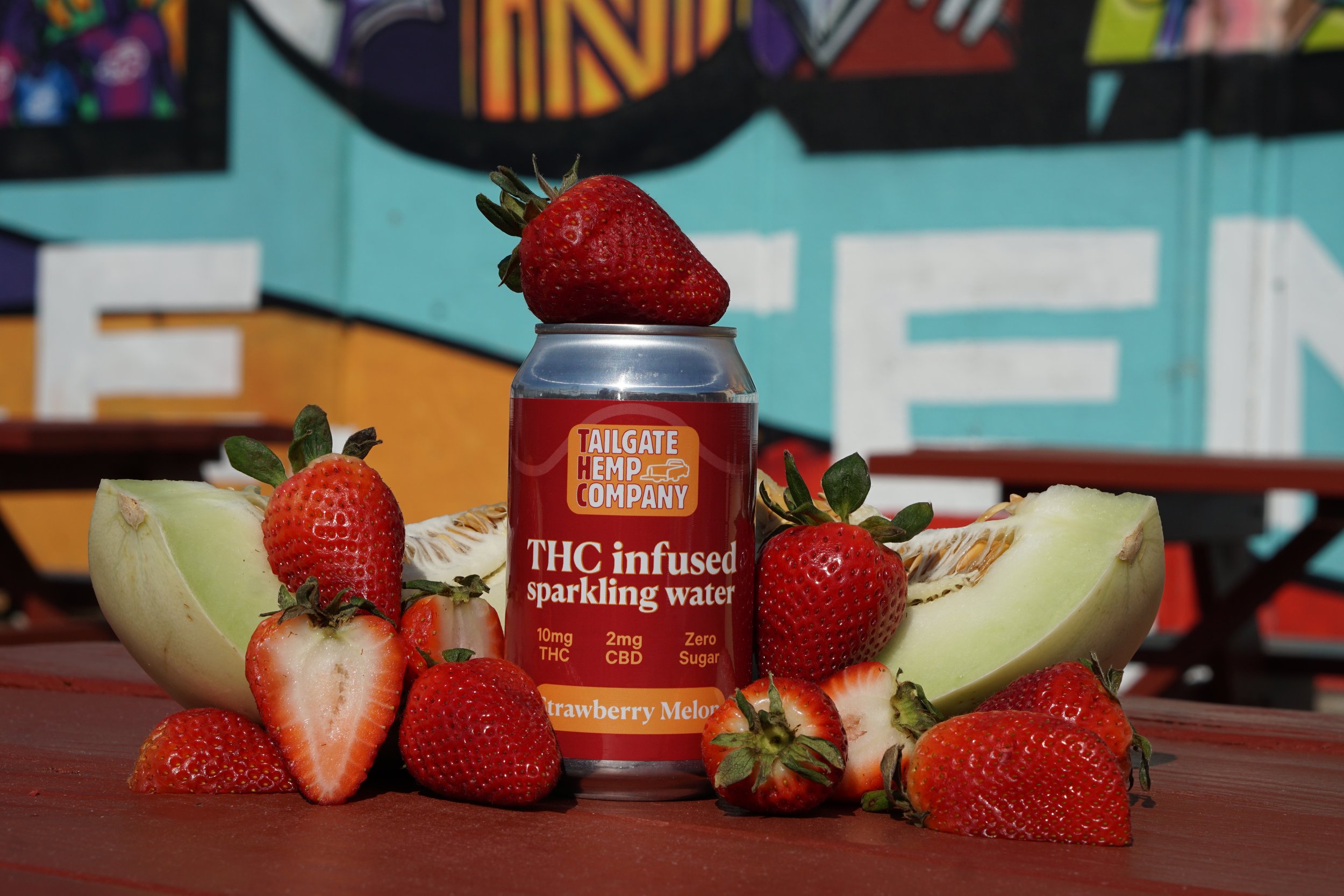
Tinctures are another option, but they can impart a slightly bitter taste. Cannabis-infused ice cubes are a fun and discreet way to add a subtle kick to your drinks. For a cannabis-infused Margarita, try replacing a portion of the triple sec with a cannabis-infused agave nectar. A cannabis-infused Aperol Spritz is also a refreshing choice, using a cannabis-infused prosecco. Remember to start with a very low dose – 2.5mg to 5mg per cocktail – and adjust accordingly.
The "greening out’ effect is a real concern. Alcohol increases the absorption rate of THC, leading to a faster and more intense high. To mitigate this, consume cannabis before drinking alcohol, and pace yourself with both. Hydrate frequently, and avoid sugary mixers, which can exacerbate the effects. It"s also important to be aware of your own tolerance levels.
A classic Mojito with a cannabis twist? Muddle mint leaves, lime juice, and sugar, add white rum, then a precisely measured dose of cannabis-infused simple syrup. Top with soda water and enjoy responsibly.
Dessert Highs: Sweet Endings
Desserts are a classic entry point for cannabis edibles, and for good reason. The high fat content of many desserts helps with absorption, creating a more potent and longer-lasting effect. Brownies and cookies are always popular choices, but don’t be afraid to get creative. Infused fruit tarts, cheesecakes, and even ice cream can be a delightful way to end a summer meal.
Accurate dosing is crucial. When baking, it’s best to use cannabutter or cannaoil that you’ve made yourself, so you know exactly how much THC is in each batch. Start with a low dose – 5mg to 10mg per serving – and increase gradually if needed. Presentation matters too. A beautifully decorated dessert will elevate the experience and show your guests that you’ve put thought into the details.
Fat content significantly impacts the intensity of the high. Desserts with a higher fat content will generally produce a stronger and more prolonged effect. Consider using full-fat ingredients and incorporating ingredients like nuts and chocolate to enhance the experience. A light and airy mousse will have a different effect than a rich and decadent chocolate cake.
Dosage Demystified: A Summer Guide
Understanding cannabis dosage is the most important aspect of responsible consumption. It’s not a one-size-fits-all equation. Factors like body weight, metabolism, and individual tolerance all play a role. THC and CBD dosages also differ. THC is the psychoactive compound responsible for the "high," while CBD is non-psychoactive and offers potential therapeutic benefits.
Here’s a general guideline for THC dosage (remember, start low and go slow): 1-2.5mg: subtle effects, slight relaxation. 2.5-5mg: mild euphoria, increased appetite. 5-10mg: moderate euphoria, altered perception. 10-15mg: strong euphoria, potential anxiety. 15mg+: intense effects, potential paranoia. CBD dosages are generally higher, ranging from 5mg to 25mg for mild effects and 25mg to 50mg for more pronounced benefits.
It's crucial to remember that edibles take longer to kick in than inhaled cannabis – typically 30 minutes to two hours. Be patient and avoid taking more until you’ve given the initial dose enough time to take effect. Always consume cannabis responsibly and in a safe environment. Never drive or operate machinery under the influence. This information is for educational purposes only and does not constitute medical advice.
Strain Pairings: Flavor & Effect
A true cannabis connoisseur understands the art of strain pairing. Different strains offer different flavor profiles and effects, and matching them to your summer activities can elevate the experience. For an active beach day, consider a sativa-dominant strain like Jack Herer. Its uplifting and energizing effects will keep you motivated and engaged.
For a relaxing evening BBQ, an indica-dominant strain like Granddaddy Purple is a great choice. Its calming and sedating effects will help you unwind and enjoy the company of friends. Pay attention to the terpene profiles. Limonene, found in strains like Lemon Haze, offers a citrusy aroma and uplifting effects. Myrcene, found in strains like Blue Dream, promotes relaxation and sleepiness.
Pinene, found in strains like Jack Herer, offers a piney aroma and may help improve focus and memory. Understanding these nuances will allow you to curate a cannabis experience that is tailored to your individual preferences and needs. It’s about more than just getting high; it’s about enhancing the moment.
- Jack Herer (Sativa): Energizing, uplifting, citrusy.
- Blue Dream (Indica): Relaxing, calming, blueberry aroma.
- Granddaddy Purple (Indica): Sedating, calming, grape aroma.
Summer Strain & Pairing Guide for Elevated BBQ & Cocktails
| Strain Name | Dominant Terpenes | Typical Effects | Suggested Food Pairing | Potential Cocktail Complement |
|---|---|---|---|---|
| Lemon Haze | Terpinolene, Limonene, Caryophyllene | Energetic, Uplifting, Creative | Grilled Lemon Herb Chicken | Lemon Drop Martini |
| Blue Dream | Myrcene, Pinene, Caryophyllene | Relaxing, Euphoric, Balanced | BBQ Ribs with Blueberry Glaze | Blue Hawaiian Cocktail |
| Sour Diesel | Myrcene, Limonene, Caryophyllene | Fast-acting, Cerebral, Energizing | Spicy Jerk Chicken | Diesel-inspired Citrus Vodka Tonic |
| Gelato | Limonene, Caryophyllene, Linalool | Relaxed, Happy, Creative | Grilled Peach and Prosciutto Salad | Peach Bellini |
| OG Kush | Myrcene, Limonene, Caryophyllene | Relaxing, Euphoric, Appetite Stimulating | Classic Cheeseburger & Fries | Old Fashioned |
| Durban Poison | Terpinolene, Myrcene, Ocimene | Energetic, Uplifting, Focused | Grilled Seafood Skewers | Gin & Tonic with Grapefruit |
| Wedding Cake | Caryophyllene, Myrcene, Limonene | Relaxing, Happy, Sedative (in higher doses) | Chocolate BBQ Brownies | White Russian |
Illustrative comparison based on the article research brief. Verify current pricing, limits, and product details in the official docs before relying on it.
No comments yet. Be the first to share your thoughts!