

Cannabis in 2026: a shift in focus
2026 is a big year for cannabis. More states are legalizing, and the Justice Department's move to Schedule III finally acknowledges medical benefits. This shift helps with research funding, though federal prohibition still makes banking and shipping across state lines a mess.
What’s really interesting to me is the subtle shift in how people are thinking about cannabis. We're moving past the initial 'green rush' and seeing a growing emphasis on wellness, personalized experiences, and targeted effects. It’s less about getting high and more about integrating cannabis into a holistic health routine. This isn’t to say recreational use is disappearing, but the industry is increasingly catering to a more discerning consumer.
California's updated regulations, effective January 1, 2026, enforce stricter testing and track-and-trace systems. It's a move toward accountability that makes the market feel less like the Wild West and more like a standard health industry.
Nano-emulsions and faster absorption
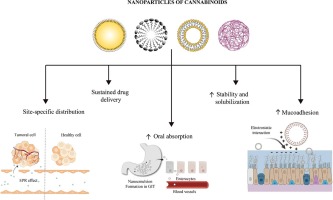
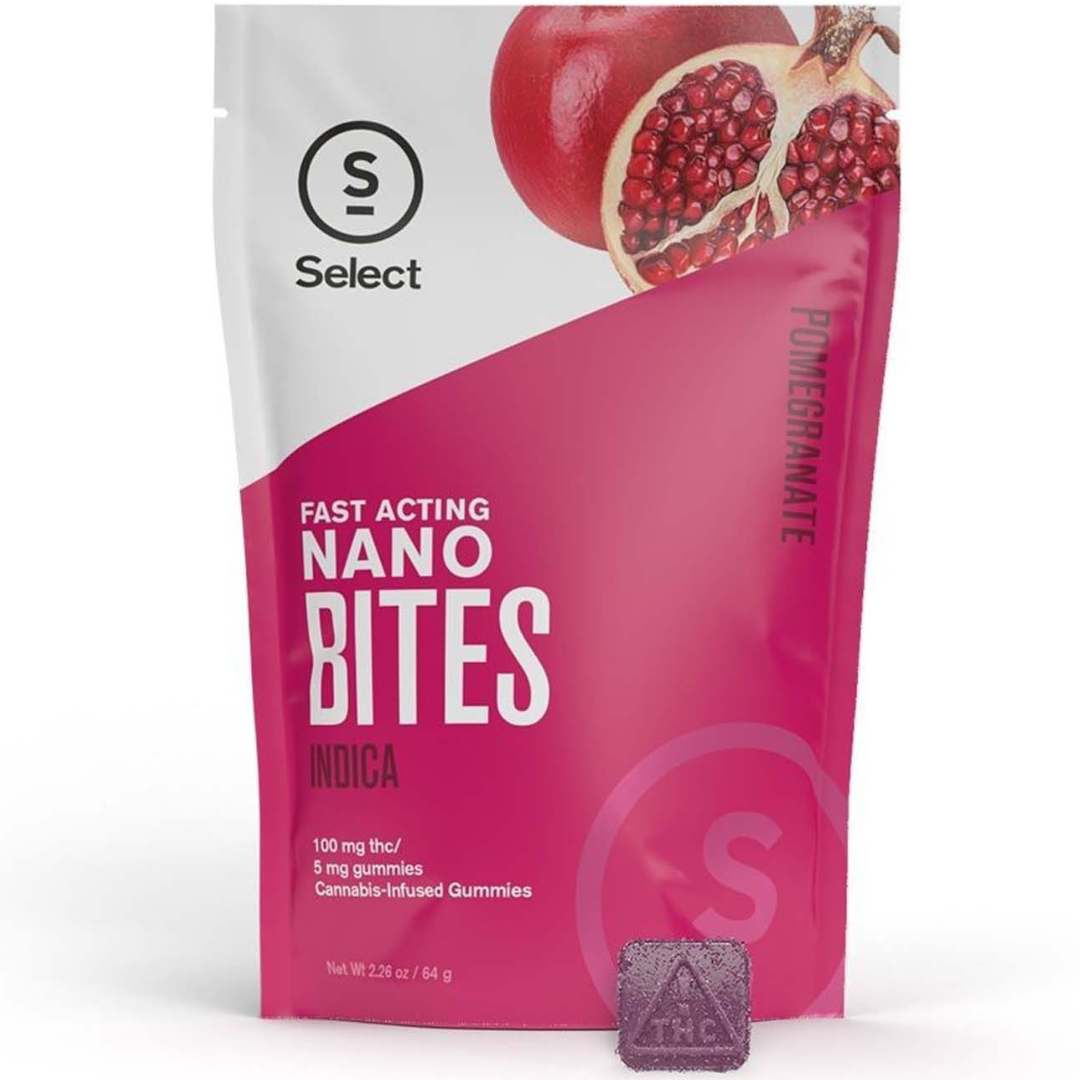
You’ve probably heard the term "nano-emulsion’ thrown around, especially when discussing edibles and beverages. Essentially, it"s a process of breaking down cannabis compounds – like THC and CBD – into incredibly small droplets, then dispersing them in a liquid. These droplets are so tiny that they become water-soluble, even though cannabinoids are naturally oil-based. This is a big deal because it dramatically improves bioavailability, meaning more of the cannabinoid actually gets absorbed into your system.
The benefits go beyond just absorption. Nano-emulsions lead to a much faster onset of effects compared to traditional edibles. Instead of waiting an hour or more to feel anything, you can experience effects within 15-30 minutes, more akin to vaping or smoking. Different types of nano-emulsions exist, including those designed for water-based products and others optimized for oil-based formulations. This allows manufacturers to tailor the delivery system to the specific product.
I know some people are hesitant about anything labeled "nano’ – there’s a natural worry about the long-term effects of consuming such small particles. Right now, research is still ongoing, and it’s a valid concern. However, the current consensus is that the particles are generally broken down and eliminated by the body without accumulating. It"s something to keep an eye on, but the potential benefits of improved bioavailability and faster onset are significant.
Personalized dosing tech
The future of cannabis consumption isn’t just about what you’re consuming, but how you’re consuming it. We’re seeing a surge in technologies aimed at personalized dosing, moving away from the "start low and go slow" approach to a more data-driven experience. Wearable sensors, for example, can monitor biomarkers like heart rate variability, brainwave activity, and even cannabinoid levels in your bloodstream to provide real-time feedback.
Smart vaporizers are also becoming more sophisticated. Some models allow you to adjust the temperature and airflow with incredible precision, tailoring the experience to your specific preferences. Others are beginning to incorporate sensors that can detect your inhalation patterns and adjust the dosage accordingly. Apps are emerging that track your consumption, the effects you experience, and even suggest optimal dosages based on your individual profile. These apps are gathering a lot of data, which raises legitimate privacy concerns.
The potential for AI-driven dose recommendations is huge. Imagine an app that learns your unique response to different cannabinoids and strains, then suggests the optimal dosage for a desired effect. The challenges are significant – ensuring the accuracy of sensors, developing robust algorithms, and protecting user data. I’m not aware of any publicly available SDKs for these devices yet, but I expect to see more open platforms emerge as the technology matures. It's a complex area, and accuracy is paramount.
Self-reported data is often biased. If you expect to feel relaxed, your brain might trick you into thinking you are. Objective biomarkers like heart rate are better, but they aren't perfect yet.
Transdermal patches and micro-dosing
Transdermal cannabis patches are gaining traction as a discreet and convenient way to consume cannabinoids. Unlike edibles, which are metabolized by the liver, patches deliver cannabinoids directly into the bloodstream through the skin, bypassing that first-pass metabolism. This results in a more consistent and predictable effect, with a delayed onset that can last for several hours.
Micro-dosing – consuming very small, sub-perceptual doses of cannabis – is another growing trend. The goal isn’t to get high, but to experience subtle benefits like reduced anxiety, improved focus, or pain management. People experimenting with micro-dosing often use tinctures or capsules to carefully control the dosage. Transdermal patches are also well-suited for micro-dosing, as they provide a slow and steady release of cannabinoids.
While anecdotal evidence suggests potential therapeutic applications, it’s important to be realistic about the limitations of current research. There’s still a lot we don’t know about the optimal dosages for micro-dosing, and the effects can vary significantly from person to person. It’s not a magic bullet, but it’s a promising area of exploration for those seeking alternative wellness solutions.
Cannabis beverages get functional
The first wave of cannabis beverages was… underwhelming, to put it mildly. Mostly sugary sodas with a vague cannabis flavor. Thankfully, things have evolved. Cannabis Beverages 2.0 are focused on functionality and flavor, offering targeted effects and sophisticated palates. We're seeing beverages designed for focus, relaxation, sleep, and even athletic recovery.
Manufacturers are incorporating functional ingredients like adaptogens (ashwagandha, rhodiola) and nootropics (lion’s mane mushroom, L-theanine) alongside cannabinoids to enhance the desired effects. This isn’t just about getting high; it’s about creating beverages that can help you achieve specific goals. Creating stable and palatable cannabis beverages is still a significant challenge. Cannabinoids are hydrophobic, meaning they don’t mix well with water, which is where nano-emulsions come in.
Brands like Cann and Wyld are making drinks that actually taste good and hit the same way every time. I like their consistency, but since these are new, we don't know the long-term effects of drinking nano-emulsified THC daily. Start with a low dose.
Featured Products

Creates 8 marijuana leaf-shaped ice cubes · Made from flexible and durable silicone · Easy to release ice cubes
Add a thematic touch to cannabis-infused beverages with these fun, marijuana leaf-shaped ice cubes.
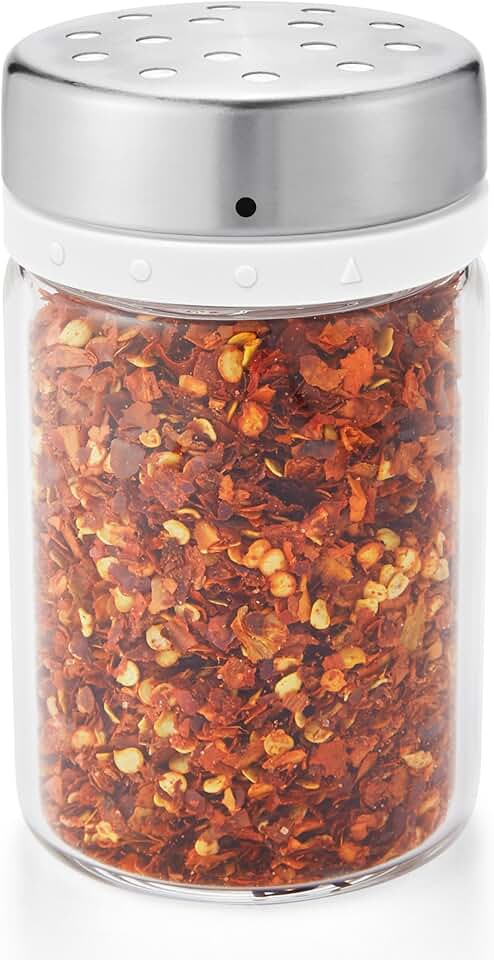
Adjustable shaker with three settings: pour, sprinkle, and shake · Clear window to easily see contents · Non-slip grip for comfortable handling
Precisely dispense cannabis-infused powders or finely ground herbs for consistent dosing in edibles and beverages.

Set of 100 translucent, freezable drink pouches · Reclosable zipper for secure storage · Includes 100 matching straws
Offer a convenient and portable way to enjoy cannabis-infused drinks, perfect for on-the-go consumption or parties.

Pack of three 10ml syringes with caps · Designed for precise liquid measurement and dispensing · Suitable for oral or scientific use
Enable accurate and controlled dosing of cannabis tinctures and liquid edibles for personalized consumption.

Automated machine for decarboxylation and infusion · Capable of making butter, oil, and tinctures · Includes recipes and accessories for a complete setup
Simplify the process of activating cannabis compounds and infusing them into oils or butter for homemade edibles and topicals.
As an Amazon Associate I earn from qualifying purchases. Prices may vary.
The move toward novel cannabinoids
For years, THC and CBD dominated the cannabis conversation. But now, we’re starting to explore the potential of other, lesser-known cannabinoids – CBG, CBN, THCV, and many more. These compounds interact with the endocannabinoid system in unique ways, offering a wider range of potential effects. CBG, for example, is being studied for its potential anti-inflammatory and neuroprotective properties. CBN is known for its sedative effects and may be helpful for sleep.
THCV is particularly interesting because it’s thought to suppress appetite, which could have implications for weight management. However, research on these novel cannabinoids is still in its early stages. Sourcing and manufacturing these compounds can be challenging, as they’re often present in very low concentrations in the cannabis plant. Extraction and purification processes can be expensive and time-consuming.
I want to be clear: we’re not talking about miracle cures here. These cannabinoids show promise, but more research is needed to fully understand their effects and potential therapeutic applications. It's exciting to see the industry exploring these new frontiers, but it’s important to approach them with a healthy dose of skepticism.
Regulation hurdles
The biggest hurdle facing cannabis tech innovation is regulation. The patchwork of state and federal laws creates a complex and uncertain landscape for businesses. Even with the rescheduling to Schedule III, federal prohibition remains a significant barrier to entry for many investors and companies. Navigating these regulations is expensive and time-consuming, slowing down the pace of innovation.
California’s updated regulations, as outlined in the document from cdn.cannabis.ca.gov, demonstrate a commitment to consumer safety and quality control, but they also add another layer of complexity for businesses. The interplay between federal and state laws is particularly challenging. For example, while cannabis may be legal in California, it remains illegal under federal law, creating conflicts for banking and interstate commerce.
The future of cannabis tech will depend on how these regulatory issues are resolved. I anticipate that we’ll see more federal guidance and potentially even legislation in the coming years. This could unlock significant investment and accelerate the development of new products and technologies. The industry needs clear and consistent regulations to thrive, and a more rational approach to cannabis policy is long overdue.
Cannabis Tech Regulatory Landscape: California, Colorado, and Canada (as of January 2026)
| State/Province | Edible Regulations | Delivery Regulations | Testing Requirements | Novel Cannabinoid Approval |
|---|---|---|---|---|
| California | Moderate | Moderate | Restrictive | Moderate |
| Colorado | Moderate | Permissive | Moderate | Moderate |
| Canada | Permissive | Permissive | Permissive | Moderate |
Illustrative comparison based on the article research brief. Verify current pricing, limits, and product details in the official docs before relying on it.

No comments yet. Be the first to share your thoughts!