

Superfood Meets Cannabis: A New Era
Cannabis consumption used to mean sugary edibles or smoking flower. Now, people are blending cannabis with nutrient-dense superfoods to enhance wellness and create a more mindful experience.
Consumers want functional benefits like improved sleep, reduced anxiety, and enhanced focus, not just psychoactive effects. This leads to lower doses, carefully selected strains, and a focus on the entourage effect where cannabinoids and terpenes work together.
The 'stoner food' stereotype is fading. Cannabis is now integrated into a holistic lifestyle, with adaptogenic mushrooms paired with cannabis for stress relief, or berries with a microdose of THC for an antioxidant boost. This sophisticated approach focuses on nourishment, not just intoxication.
This trend is here to stay. The market for cannabis-infused products is growing, and health-conscious consumers want to know where their cannabis comes from and what it does for their bodies.
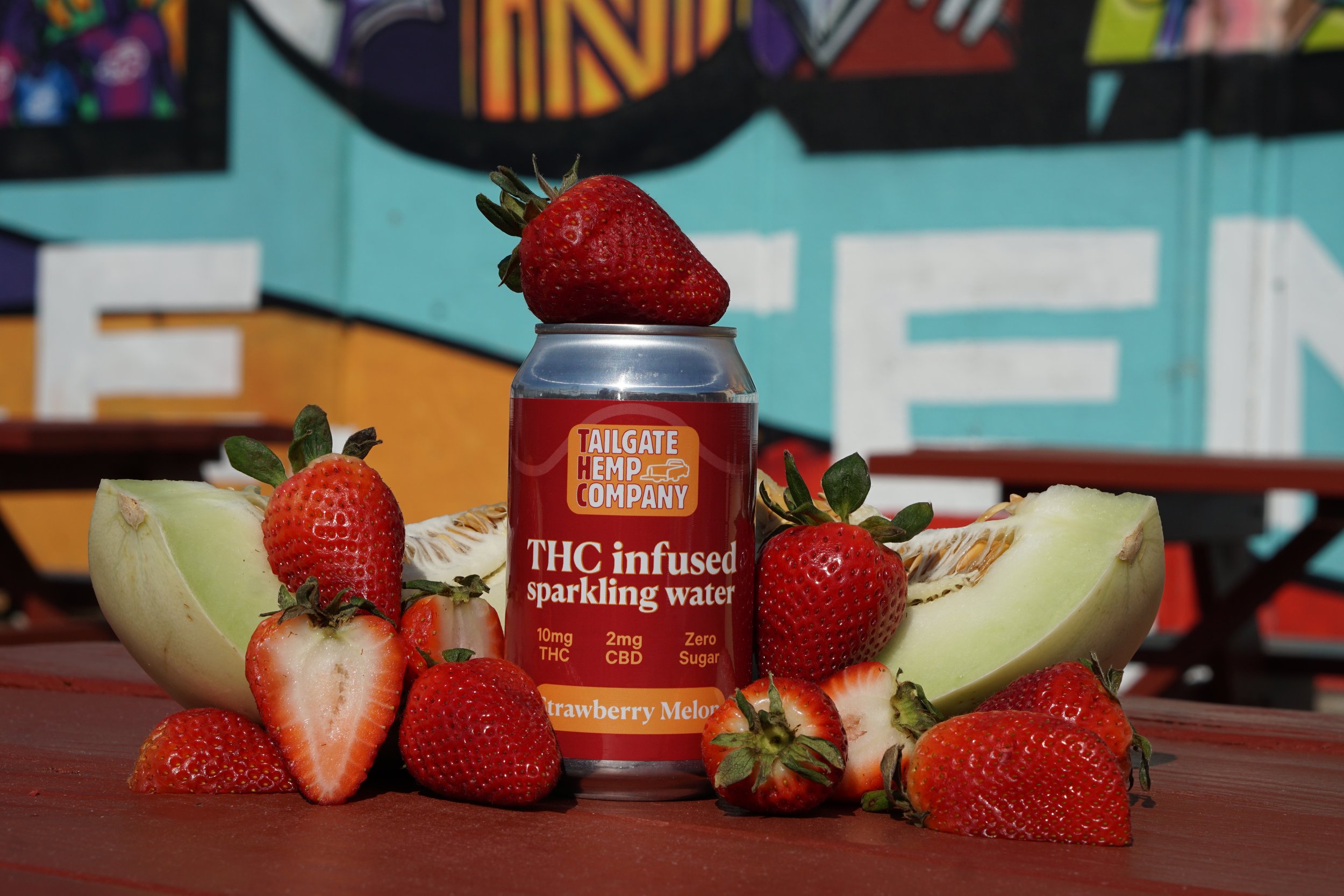
Infusion Methods: Beyond the Butter
Cannabutter is a classic, but other infusion methods offer more culinary possibilities. Oil infusions are versatile and work well with superfoods.
Olive oil, coconut oil, and avocado oil can all be infused with cannabis. Each oil imparts a different flavor profile. Coconut oil is effective for baking, while olive oil works well in savory dishes. Low heat is best during oil infusion to avoid degrading cannabinoids.
Tinctures, made by soaking cannabis in high-proof alcohol, can be added to smoothies, dressings, or yogurt for precise dosing. Lecithin-based infusions are useful for water-based recipes, as lecithin binds oil-soluble cannabinoids to water for a consistent dose.
Tinctures are more potent than lecithin infusions, which offer a subtler effect. Consider these factors, your recipe, and desired outcome when selecting an infusion technique. Experiment to find what works best.
Berry Bliss: Antioxidant & Cannabinoid Synergy
Berries like blueberries, raspberries, and strawberries are packed with antioxidants and vitamins. Their versatility makes them an excellent base for cannabis-infused recipes, complementing cannabis flavors and potentially counteracting oxidative stress from THC.
Try a cannabis-infused berry smoothie with frozen berries, almond milk, protein powder, and cannabis oil or tincture. A berry compote with honey and cannabis-infused coconut oil is also great over yogurt, oatmeal, or pancakes.
Terpene profiles matter. Strains high in myrcene pair well with blueberries for relaxation, while limonene's citrusy aroma complements raspberries. Experimenting with strains and berry combinations can create unique flavor and effect pairings.
High Times offers superfood cannabis recipes, including berry options, showing the growing popularity of this combination.
Green Power: Leafy Greens & Cannabis
Leafy greens like spinach, kale, and chard are healthy staples. Incorporating cannabis into recipes with these greens can be tricky due to flavor clashes, but careful planning makes it achievable.
Try a cannabis-infused green smoothie with spinach or kale, fruits like banana or mango, a liquid base, and cannabis tincture or infused oil. The fruit's sweetness masks the green flavor. A cannabis-infused kale salad dressing with olive oil, lemon juice, and herbs is another option.
Balancing flavors is key, as cannabis can overpower delicate greens. Complementary flavors like garlic, ginger, and lemon can help. Using a milder cannabis strain also prevents an overly strong flavor.
Experiment with different green combinations and flavorings. The nutritional benefits of combining cannabis with leafy greens are substantial.
Seed to Plate: Nuts, Seeds, and Cannabis
Nuts and seeds like chia, flax, hemp, walnuts, and almonds are nutritional powerhouses, offering healthy fats, protein, and fiber. They are satisfying, provide sustained energy, and are a great base for cannabis infusion in snackable formats.
Cannabis-infused energy balls are popular. Combine dates, nuts, seeds, cannabis oil, and flavorings like cacao, coconut, or cinnamon in a food processor, then roll into balls. Cannabis-infused nut butter, made with almond or peanut butter and cannabis tincture, is also a simple spread for toast or fruit.
Cannabis can enhance satiety and nutritional absorption from nuts and seeds. Cannabinoid receptors in the gut may improve digestion and nutrient uptake, creating a synergistic effect.
Royal Queen Seeds highlights hemp seeds for their versatility and nutritional value. Hemp seeds are a complete protein source and provide omega-3 and omega-6 fatty acids.
Strain Pairings for Nutty Flavors
- ACDC - This high-CBD, low-THC strain offers a subtle earthy flavor with hints of pine and a surprisingly pleasant nutty undertone. Its terpene profile is dominated by myrcene, pinene, and caryophyllene, leading to a calming, focused effect that won't impair functionality. Ideal for adding to seed-based breakfasts.
- Harlequin - Another CBD-rich strain, Harlequin presents a sweet and fruity aroma with a distinct nutty finish. Its terpene profile includes myrcene, pinene, and limonene, providing a balanced experience that’s both relaxing and uplifting. Pairs well with chia seed puddings or hemp-based smoothies.
- Sour Diesel - While known for its pungent, diesel-like aroma, Sour Diesel can also exhibit a subtle nuttiness, especially when paired with foods containing healthy fats. Dominant terpenes are myrcene, limonene, and caryophyllene, resulting in a cerebral, energizing high. Consider using it in a cannabis-infused pesto with walnuts.
- Girl Scout Cookies (GSC) - This popular hybrid often displays a sweet, earthy flavor with a hint of brown sugar and, importantly, a noticeable nutty aftertaste. Its terpene profile is rich in caryophyllene, humulene, and limonene, offering a relaxing yet euphoric effect. Excellent for incorporating into date and nut-based energy bites.
- Blue Dream - A classic hybrid, Blue Dream features a sweet berry aroma with a subtle earthiness and a hint of walnut. Its terpene profile, featuring myrcene, pinene, and caryophyllene, delivers a balanced effect – relaxing the body while uplifting the mind. Works well in recipes with sunflower seeds or almond butter.
- Cannatonic - Renowned for its high CBD content, Cannatonic offers a mild, sweet flavor with earthy and nutty undertones. Its terpene profile is characterized by myrcene and limonene, providing a calming and therapeutic experience. Suitable for adding to flaxseed-based baked goods.
- OG Kush - Though primarily known for its pine and diesel notes, OG Kush can exhibit a subtle, earthy nuttiness. Dominated by myrcene, limonene, and caryophyllene, it delivers a potent, relaxing effect. Use sparingly with recipes containing sesame seeds.
Mushroom Magic: Adaptogens & Cannabis
Medicinal mushrooms like reishi, lion's mane, and chaga are recognized for their adaptogenic properties, helping the body adapt to stress. Combining them with cannabis is a growing trend, as their effects may be synergistic. Lion's mane is thought to support cognitive function, while reishi is known for calming properties.
Try a warming cannabis-infused mushroom broth by simmering mushrooms with vegetable broth, herbs, and cannabis-infused oil. A mushroom-based superfood blend, combining dried mushrooms and cannabis, can be added to smoothies or soups.
This combination may reduce anxiety, improve sleep, boost immunity, and enhance focus. However, research is ongoing, and more studies are needed to understand their interactions.
Buffalo Dreams offers a range of cannabis products, representing the growing market for innovative cannabis consumables. Consumers are seeking more holistic and functional options.
Dosage & Safety: Navigating the New Landscape
Responsible consumption is paramount, especially when combining cannabis with superfoods. Edibles, in particular, can be unpredictable in their effects. It’s crucial to start low and go slow, especially if you’re new to cannabis or to a particular strain.
Individual tolerance varies significantly based on factors like body weight, metabolism, and prior cannabis use. A dose that feels mild to one person could be potent to another. Begin with a very small dose – 2.5mg to 5mg of THC – and wait at least two hours before considering a higher dose.
Accurate dosage calculation is essential. Know the THC content of your cannabis product and carefully measure your dose. Be aware of potential drug interactions. Cannabis can interact with certain medications, so consult with a healthcare professional if you have any concerns.
Sourcing cannabis from reputable providers is also vital. Ensure the product has been tested for potency and contaminants. Look for brands that prioritize quality and transparency. Always store cannabis products safely and out of reach of children and pets.
Looking Ahead: 2026 Trends & Predictions
The cannabis-infused superfood market is poised for significant growth. We can expect to see more personalized nutrition approaches, with recipes tailored to individual cannabinoid profiles and even genetic predispositions. Imagine a future where you can optimize your cannabis dosage based on your unique biological makeup.
More sophisticated infusion techniques are also on the horizon. Nanoemulsion technology, which creates incredibly stable and bioavailable cannabis infusions, will likely become more widespread. Novel ingredient combinations – incorporating exotic fruits, adaptogenic herbs, and other superfoods – will continue to emerge.
Technology will play an increasingly important role. Apps and devices may help track dosage, monitor effects, and provide personalized recommendations. Data analysis will be used to optimize recipes and dosages for maximum benefit.
The evolving regulatory landscape will also shape the future of this market. As cannabis laws become more relaxed, we can anticipate greater innovation and accessibility. However, it’s essential to maintain a focus on safety, quality, and responsible consumption as the industry matures.

No comments yet. Be the first to share your thoughts!