

Moving past the brownie
Cannabis cooking isn't just about masking the grassy taste of a brownie anymore. I've found that treating the plant like a high-end botanical—similar to saffron or truffle—changes the entire meal. We're moving toward dishes where the infusion is a deliberate flavor choice, not a chore.
The history of cannabis in cooking is surprisingly long. Evidence suggests its use in ancient cultures for both medicinal and culinary purposes. But the modern perception was largely shaped by its association with counterculture in the 20th century. Now, with legalization spreading and a growing understanding of the plant’s complexities, chefs and home cooks are rediscovering its potential.
Accessibility is a huge factor driving this change. Quality cannabis products – from full-spectrum extracts to precisely dosed oils – are becoming more readily available. This allows for greater control and consistency in cooking. People are seeking experiences, and a beautifully prepared cannabis-infused meal offers something truly unique. I've noticed a distinct move away from simply getting 'high' and towards a more nuanced appreciation of the plant’s effects when paired with food.
The stigma surrounding cannabis is also fading. As more research emerges about its potential benefits, and as more people openly discuss their experiences, the taboo is lifting. This allows for a more open and creative exploration of its culinary applications. We’re entering a golden age for cannabis cuisine, and the possibilities are genuinely exciting.
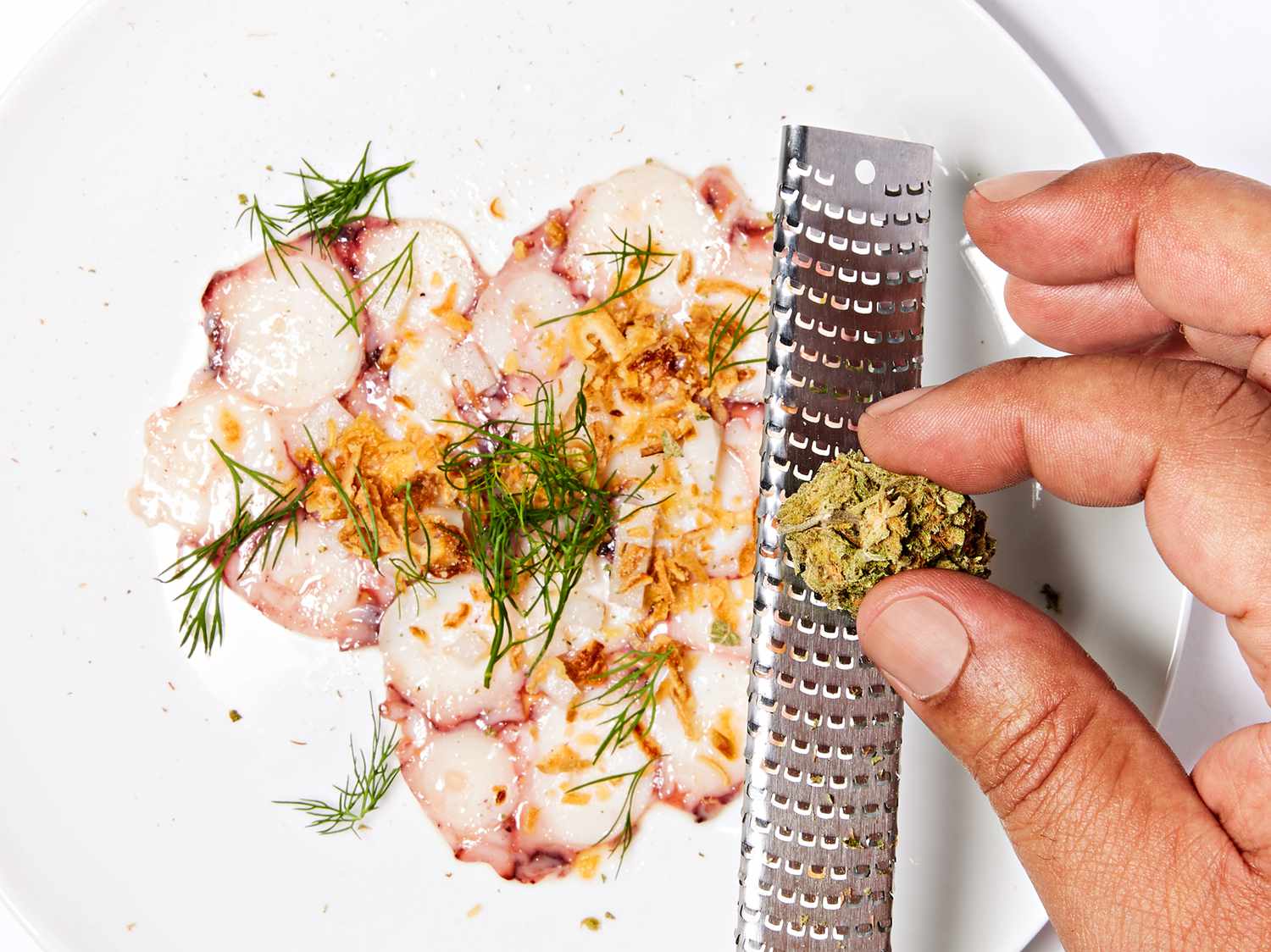
How to decarboxylate and infuse
Before you can even think about infusing cannabis into your food, you need to understand decarboxylation. Raw cannabis contains tetrahydrocannabinolic acid (THCA), which isn’t psychoactive. Decarboxylation is the process of heating the cannabis to convert THCA into tetrahydrocannabinol (THC), the compound responsible for the intoxicating effects. This happens naturally over time, but accelerating it with heat is essential for cooking.
The science is pretty straightforward: heat removes a carboxyl group from THCA molecules. Too little heat, and you won’t fully activate the THC. Too much, and you risk degrading the cannabinoids. A common mistake is using too high a temperature for too long, resulting in a burnt, less potent infusion. Around 240°F (115°C) for 30-40 minutes is a good starting point, though adjusting the time based on your material and oven is important.
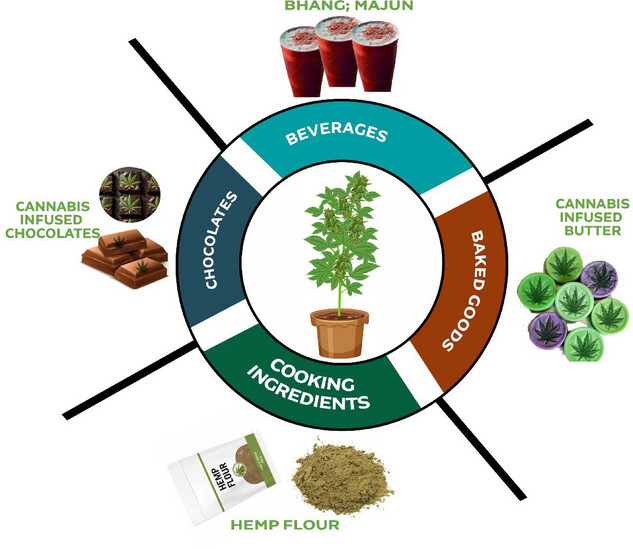
Once decarboxylated, you have several infusion options. Cannabutter is arguably the most classic. Simply melt butter and add your decarboxylated cannabis, simmering gently for a few hours. Canna-oil offers more versatility. Olive oil is great for savory dishes, while coconut oil works well in desserts. Avocado oil is another option, offering a mild flavor and healthy fats.
Tinctures are a different beast altogether. They involve soaking cannabis in high-proof alcohol to extract the cannabinoids. This creates a potent liquid that can be added to foods or taken sublingually. Tinctures are excellent for precise dosing, but require careful handling of alcohol. The choice of method depends on your desired outcome – flavor, potency, and application.
Your kitchen will smell. Open a window or turn on the fan before you start heating your flower. Since potency varies wildly between a 15% THC strain and a 30% one, I always test a small teaspoon of my finished oil before using it in a full recipe. It beats ruining a dinner party because the lobster bisque was twice as strong as intended.
- Cannabutter is the standard for baking, though it carries the strongest herbal scent.
- Olive oil works best for savory drizzles and doesn't overpower the terpenes.
- Canna-oil (Coconut): Works well in desserts, noticeable coconut flavor.
- Tincture: Potent, precise dosing, requires alcohol handling.
15 Recipes: Cannabis-Infused Fine Dining
This is where things get really interesting. These recipes aren’t about hiding the cannabis; they’re about integrating it into a refined culinary experience. Dosage suggestions are provided, but always start low and go slow. Remember, individual tolerance varies significantly. These are suggestions only, and responsible consumption is crucial.
1. Cannabis-Infused Lobster Bisque (Dosage: 5-10mg THC): A rich, creamy bisque elevated with a subtle cannabis infusion. Infuse the cream with 7-10mg of THC and pair with a crisp Sauvignon Blanc. The delicate seafood flavor balances beautifully with the cannabis.
2. Lavender-Infused Duck Breast with Cherry Reduction (Dosage: 8-12mg THC): Duck breast seared to perfection, complemented by a lavender-infused cannabis oil and a sweet-tart cherry reduction. A Pinot Noir would be a lovely pairing. The floral notes of lavender and cannabis create a sophisticated flavor profile.
3. Saffron Risotto with Cannabis-Infused Parmesan (Dosage: 6-10mg THC): A classic risotto, enhanced with saffron and a subtle cannabis-infused Parmesan cheese. Pair with a dry Italian white wine. The creamy texture and umami flavors are wonderfully complemented by the cannabis.
4. Dark Chocolate Avocado Mousse with Chili-Lime Cannabis Oil (Dosage: 5-8mg THC): A decadent mousse with a surprising kick. Infuse avocado oil with chili and lime, then add a small amount of cannabis. A dessert wine or a strong coffee would be a good accompaniment.
5. Cannabis-Infused Scallops with Lemon-Butter Sauce (Dosage: 7-10mg THC): Pan-seared scallops with a bright lemon-butter sauce infused with cannabis. A Chardonnay would pair nicely. The delicate sweetness of the scallops is enhanced by the citrus and cannabis.
6. Truffle Mac and Cheese with Cannabis-Infused Breadcrumbs (Dosage: 8-12mg THC): A grown-up take on a comfort food classic. Infuse the breadcrumbs with cannabis and add truffle oil for an extra layer of indulgence. A light-bodied red wine would be a good match.
7. Cannabis-Infused Gazpacho (Dosage: 5-7mg THC): A refreshing cold soup, perfect for a summer evening. Infuse the olive oil with cannabis for a subtle, cooling effect. A dry Rosé would complement the flavors.
8. Spicy Tuna Tartare with Cannabis-Infused Soy Sauce (Dosage: 4-6mg THC): A vibrant and flavorful tartare with a kick. Infuse soy sauce with cannabis for a unique umami experience. A crisp Sake would be an excellent pairing.
9. Cannabis-Infused Mushroom Wellington (Dosage: 10-15mg THC): A show-stopping vegetarian main course. Infuse the mushroom duxelles with cannabis for a savory and satisfying dish. A full-bodied Merlot would be a perfect match.
10. Cannabinoid-Infused Carrot Cake (Dosage: 5-8mg THC): A classic carrot cake with a subtle cannabis twist. Infuse the cream cheese frosting with cannabis for a delightful dessert. A sweet dessert wine would be a lovely accompaniment.
11. Cannabis-Infused French Onion Soup (Dosage: 6-10mg THC): A comforting classic, elevated with a subtle cannabis infusion in the broth. Pair with a dry Sherry.
12. Cannabis-Infused Paella (Dosage: 8-12mg THC): A vibrant Spanish rice dish, infused with cannabis-infused olive oil. Pair with a Spanish Albariño.
13. Cannabis-Infused Shrimp Scampi (Dosage: 7-10mg THC): Classic scampi, but with a subtle, delightful kick. A Pinot Grigio would be a perfect pairing.
14. Cannabis-Infused Crème brûlée (Dosage: 5-7mg THC): A rich and creamy custard base, with an infused vanilla bean. Pair with a Moscato d'Asti.
15. Cannabis-Infused Beef Bourguignon (Dosage: 10-15mg THC): A hearty French beef stew, infused with cannabis-infused red wine. Pair with a Cabernet Sauvignon.
Pairing flavors with terpenes
Cannabis isn't just about getting high; it has a complex flavor profile influenced by terpenes – aromatic compounds responsible for the plant's scent and taste. Understanding how these terpenes interact with food is crucial for creating harmonious pairings. For example, limonene, found in citrusy strains, complements bright, acidic dishes like salads and ceviche.
Myrcene, a common terpene with earthy and musky notes, pairs well with hearty stews, roasted meats, and root vegetables. Pinene, with its piney aroma, works well with savory dishes and can enhance the flavors of herbs like rosemary and thyme. Linalool, known for its floral scent, complements desserts and lighter fare.
Consider the overall effect you're aiming for. A citrusy strain might enhance creativity and energy, making it ideal for a brunch dish. An earthy strain could promote relaxation, making it a good choice for a calming evening meal. Experimentation is key, but a basic understanding of terpene profiles can guide your choices.
It's also important to be mindful of potential clashes. Certain terpenes might not pair well with specific ingredients. For example, a particularly pungent strain might overwhelm the delicate flavors of a fish dish. I've found that subtle infusions often work best, allowing the cannabis to enhance rather than dominate the flavor profile.
Cannabis Terpene Flavor Profiles & Food Pairings
| Terpene | Dominant Flavor Profile | Suggested Food Pairings | Potential Culinary Application |
|---|---|---|---|
| Myrcene | Earthy, musky, herbal | Roasted meats, root vegetables, dark chocolate, red wine reductions | Infused into savory sauces, braised dishes, or paired with rich desserts. |
| Limonene | Citrusy, bright, lemon-like | Seafood, salads with citrus vinaigrettes, lemon desserts, poultry | Enhances the zest in marinades, complements light and refreshing dishes, or adds a bright note to baked goods. |
| Pinene | Piney, woody, fresh | Game meats, rosemary-infused dishes, pine nuts, cheeses | Pairs well with roasted vegetables, savory pastries, or can be subtly incorporated into herbal rubs. |
| Caryophyllene | Spicy, peppery, clove-like | Indian cuisine, barbecue, dark chocolate, black pepper-crusted steak | Complements spicy dishes, adds depth to savory sauces, or enhances the warmth of baked goods. |
| Linalool | Floral, lavender-like, slightly spicy | Berries, chamomile tea, lavender honey, light pastries | Infused into delicate desserts, floral-infused beverages, or paired with fruit-based dishes. |
| Humulene | Earthy, woody, hoppy | Potatoes, mushrooms, dark beers, roasted chicken | Suits hearty stews, root vegetable preparations, or savory snacks. |
| Terpinolene | Floral, herbal, citrusy | Apples, pears, green vegetables, fresh herbs | Enhances fruit-forward dishes, complements salads, or adds a refreshing element to beverages. |
Illustrative comparison based on the article research brief. Verify current pricing, limits, and product details in the official docs before relying on it.
Dosage & Safety: A Responsible Approach
Let’s be clear: responsible cannabis consumption is non-negotiable. Edibles, in particular, can be unpredictable. The effects are often delayed, taking 30-90 minutes to manifest, and can be significantly more potent than smoking. Starting with a low dose and waiting patiently is critical.
A general guideline is 2.5-5mg of THC for a beginner, increasing gradually as needed. Dosage is highly individual and depends on factors like body weight, metabolism, and tolerance. A helpful, though imperfect, calculation is 0.05mg of THC per pound of body weight. However, this is just a starting point – individual responses vary enormously.
Potential side effects include anxiety, paranoia, dizziness, and nausea. If you experience any of these, stop consuming cannabis and seek support. It’s also crucial to be aware of the legal status of cannabis in your area and to comply with all applicable laws and regulations.
Disclaimer: The dosage information provided here is for general guidance only and should not be considered medical advice. Always consult with a healthcare professional before consuming cannabis, especially if you have any underlying health conditions or are taking any medications. Resources for responsible use can be found at
Cannabis & Fat Solubility: Maximizing Absorption
Cannabis compounds, particularly THC, are lipophilic – meaning they dissolve in fats. This has a significant impact on how your body absorbs and processes them. Consuming cannabis on an empty stomach can lead to a faster, more intense, and potentially unpredictable experience. The THC enters your bloodstream quickly, resulting in a stronger high.
To optimize absorption and create a more controlled experience, consume cannabis-infused foods alongside healthy fats. Think avocados, nuts, seeds, or olive oil. These fats help to bind to the THC and slow down its absorption, resulting in a longer-lasting, more manageable effect.
Lecithin, an emulsifier found in egg yolks and soybeans, can also enhance bioavailability. It helps to break down fats and allows the THC to be more easily absorbed. Adding a small amount of lecithin to your cannabis infusions can potentially increase their potency. It’s a subtle adjustment, but one worth considering.
No comments yet. Be the first to share your thoughts!