

The end of the brownie era
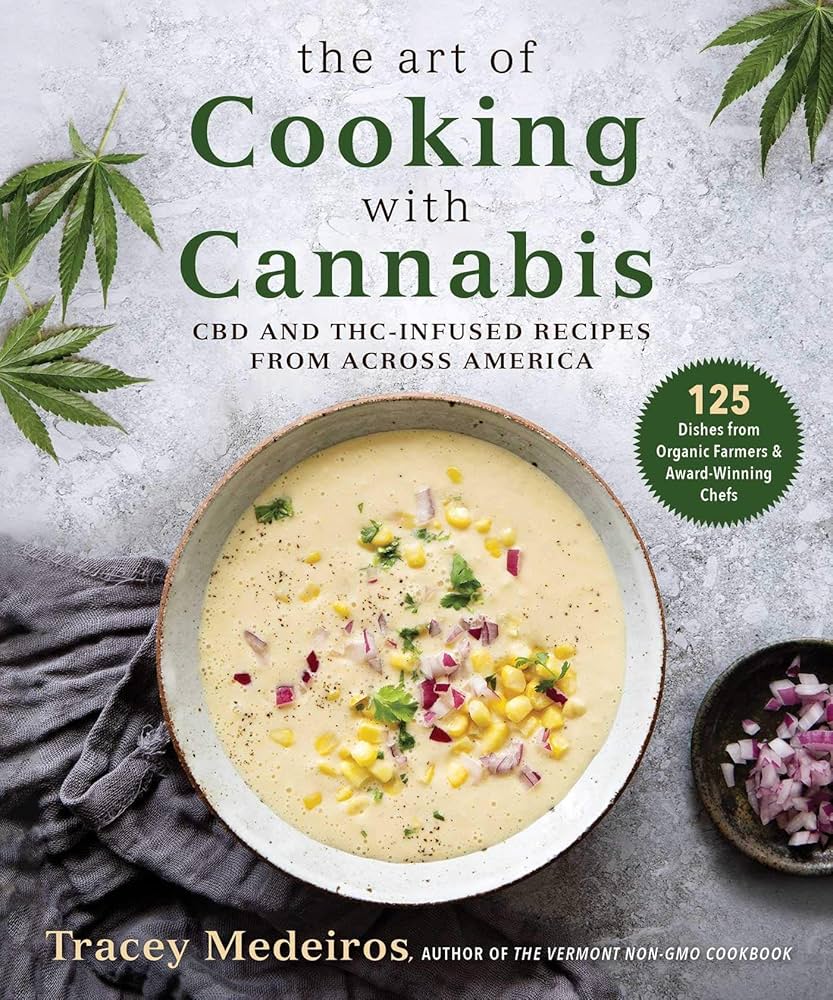
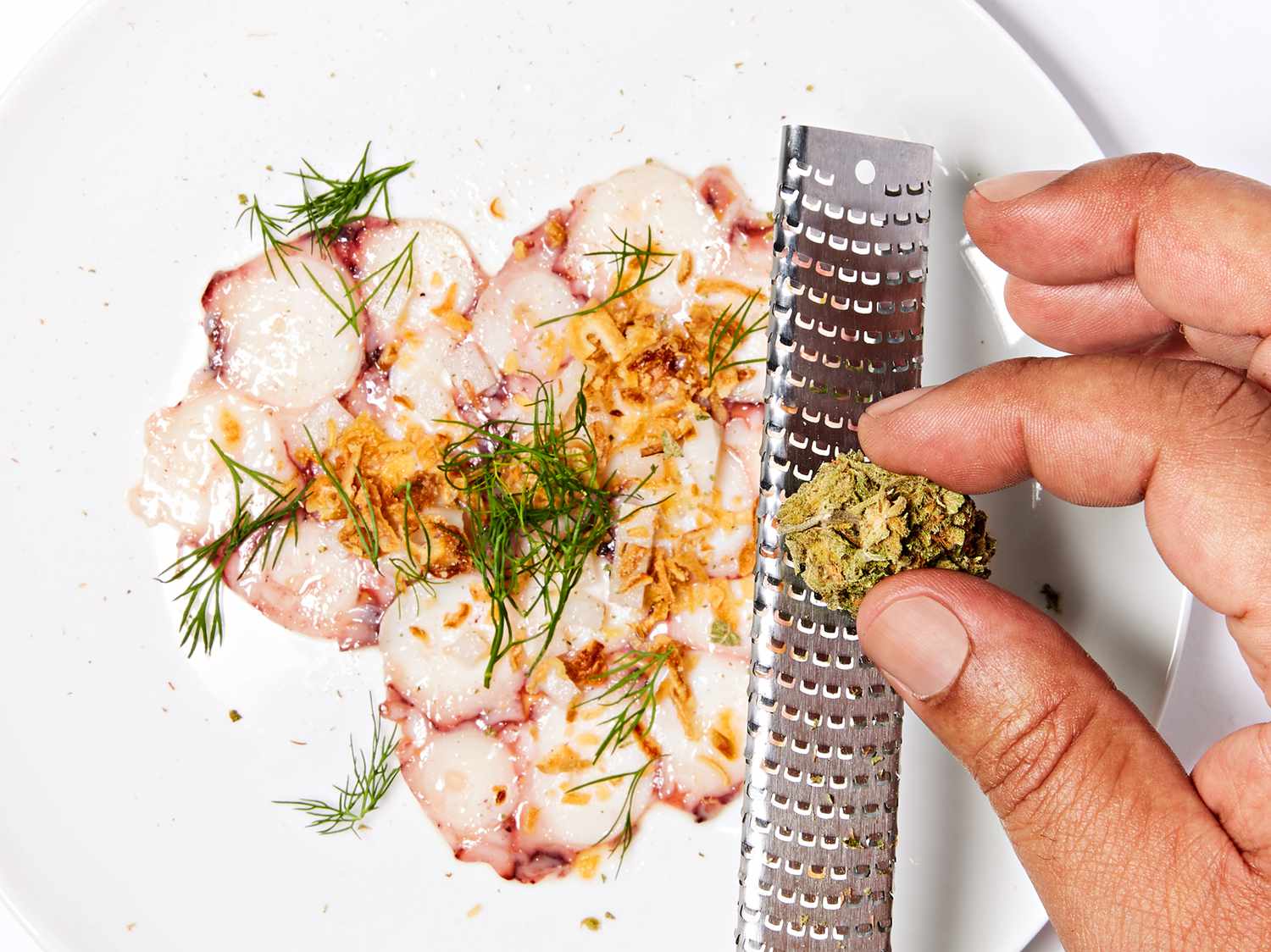
Cannabis edibles used to mean dry brownies and unpredictable highs. That's changing. As legalization spreads, the kitchen is becoming a lab for chefs who want to treat the plant like a fine spice rather than a hidden additive.
This shift isn’t just about perception; it’s about capability. Traditional methods of infusion, while effective, have limitations. Relying solely on butter or oil infusions can mask subtle flavors and often result in uneven distribution of cannabinoids. The potency can also be unpredictable. These drawbacks are driving chefs and enthusiasts to explore more advanced techniques borrowed from the world of molecular gastronomy, seeking precision, control, and a more refined culinary experience.
We’re seeing a move away from simply including cannabis and towards truly integrating it. Think cannabis-infused sauces with complex flavor profiles, delicate foams, and visually stunning presentations. The goal is no longer just to get high; it’s to enjoy a delicious, nuanced, and memorable meal. This change has been gradual, but the momentum is undeniable, and 2026 promises an even more exciting evolution.
Better infusions through lipid science
The foundation of any cannabis edible is, of course, infusion. But understanding how cannabinoids interact with different substances is critical. Cannabinoids like THC and CBD are lipophilic – meaning they dissolve in fats, not water. This explains why butter and oil have traditionally been the go-to infusion mediums. The challenge is maximizing extraction and achieving a consistent, flavorful result.
Different lipid sources offer varying benefits. Coconut oil, for example, has a high saturated fat content, which aids in cannabinoid absorption, but can impart a distinct coconut flavor. MCT oil, a concentrated form of medium-chain triglycerides, is flavorless and rapidly absorbed, potentially leading to a quicker onset of effects. Clarified butter (ghee) offers a rich, buttery flavor without the milk solids that can shorten shelf life.
Newer extraction methods like supercritical CO2 extraction are gaining traction. This process uses carbon dioxide under high pressure and low temperature to extract cannabinoids and terpenes, resulting in a pure, solvent-free concentrate ideal for culinary applications. While it requires specialized equipment, the quality and consistency are unmatched. Decarboxylation – heating the cannabis to convert THCA into psychoactive THC – remains a vital step, and precise temperature control is crucial for maximizing potency.
Spherification and flavor bursts
Molecular gastronomy offers a toolbox of techniques to elevate cannabis cuisine, and spherification is one of the most visually striking. This process creates small spheres with a liquid center, encapsulating flavor and, in this case, cannabis infusion. It’s a playful texture that surprises and delights the palate.
The basic principle involves reacting sodium alginate – derived from seaweed – with calcium chloride. A cannabis-infused liquid is mixed with sodium alginate, then dropped into a calcium chloride bath. The alginate reacts with the calcium, forming a gel membrane around the liquid, creating a sphere. Precise measurements are key; too much alginate results in thick-walled spheres, while too little leads to breakage.
Here’s a basic recipe for cannabis-infused citrus 'caviar': Combine 100ml of cannabis-infused simple syrup (ensure accurate dosage!), 1.5g sodium alginate, and the zest of one lemon. Blend well, let sit to remove bubbles, and drop into a bath of 500ml water mixed with 2.5g calcium chloride. Rinse the spheres in water before serving. A challenge is maintaining potency over time, as the alginate can slowly degrade. Proper storage and immediate consumption are recommended.
- Mix 100ml infused syrup with 1.5g sodium alginate and lemon zest.
- Blend well and let sit to remove bubbles.
- Drop mixture into a calcium chloride bath (500ml water, 2.5g calcium chloride).
- Rinse spheres in water before serving.
Foams, Airs & Emulsions: Lightness & Aroma
Cannabis-infused foams and airs offer a way to deliver subtle flavors and aromas without the heavy sensation of traditional edibles. These light, airy textures are created by stabilizing air bubbles in a liquid, and the key is using an emulsifier to prevent the bubbles from collapsing.
Lecithin, derived from soybeans or sunflowers, is a common emulsifier used in molecular gastronomy. It reduces surface tension, allowing air bubbles to form and remain stable. Other options include xanthan gum and methylcellulose, each with slightly different properties and applications. The science lies in creating a stable emulsion: evenly dispersing fat droplets within a water-based liquid.
Consider a cannabis-infused herb foam to accompany a mushroom consommé. Infuse 50ml of heavy cream with cannabis (using a suitable infusion method). Blend the cream with 1g lecithin, 20g chopped fresh herbs (thyme, parsley), and a pinch of salt. Use an immersion blender to create a stable foam. The foam adds a delicate cannabis flavor and aromatic complexity to the earthy consommé.
Gels & Noodles: Textural Transformation
Gelling agents open up a world of textural possibilities. Agar-agar, derived from seaweed, creates firm, brittle gels, while gelatin offers a more elastic texture. These can be used to create cannabis-infused noodles, jellies, or even edible "soils" to accompany savory dishes. The key is understanding the properties of each gelling agent and how they respond to temperature and liquid ratios.
Controlling firmness and clarity requires precise measurements and temperature control. Agar-agar needs to be boiled to activate its gelling properties, while gelatin requires blooming in cold water before heating. Adding acid (like lemon juice) can affect the gelling process, so experimentation is key. Remember that the cannabis infusion needs to be compatible with the gelling agent – oil-based infusions won't work well in water-based gels.
Try cannabis-infused fruit gels served with a complementary sauce. Blend 200ml of fruit puree (mango or passionfruit work well) with 1g agar-agar and a precisely measured dose of cannabis tincture. Heat gently, stirring constantly, until the agar-agar dissolves. Pour into a mold and chill until set. Serve with a coconut cream sauce and a sprinkle of toasted coconut.
Deconstruction & Reassembly: Plating for Impact
Molecular gastronomy isn’t just about techniques; it’s about artistry. Deconstructing classic dishes and reassembling them with cannabis-infused components allows for a playful and sophisticated presentation. The goal is to challenge expectations and elevate the dining experience.
Balancing flavors and textures is paramount. A deconstructed cheesecake, for example, might feature a cannabis-infused graham cracker crumble, a creamy cheesecake mousse, a fruit compote, and a delicate cannabis-infused white chocolate shard. Each component is prepared separately, allowing for precise control over flavor and texture. The presentation is key – think abstract arrangements and contrasting colors.
When you pull a cheesecake apart, you can control the dose in each element. I like using infused butter for the graham crumble and a tincture for the mousse. It lets you layer the experience so the guest isn't hit with the full dose in one bite.
Dosage and safety
Accurate dosage control is absolutely crucial when working with advanced cannabis cooking techniques. Molecular gastronomy allows for incredibly precise infusions, but it also introduces complexity. Calculating potency in a dish with multiple cannabis-infused components requires careful attention to detail. It’s easy to underestimate or overestimate the effects.
Start with low doses and gradually increase as needed. Always clearly label dishes containing cannabis with the precise dosage per serving. Responsible consumption is paramount. Educate your guests about the effects of cannabis and encourage them to consume responsibly. Be mindful of potential interactions with other medications or underlying health conditions.
It’s essential to be aware of local regulations regarding cannabis consumption and sales. Legal requirements vary widely, and it’s your responsibility to comply with all applicable laws. Consult with a healthcare professional before consuming cannabis, especially if you have any pre-existing medical conditions or are taking any medications.
No comments yet. Be the first to share your thoughts!