

Federal reclassification shifts in 2026
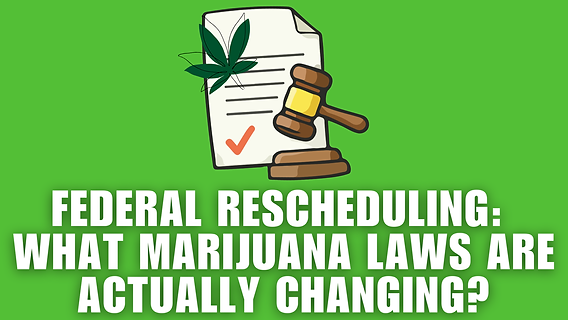
The landscape of cannabis law in 2026 is defined by a significant, though incomplete, shift at the federal level. While the market has largely operated under the assumption that rescheduling was imminent, the Drug Enforcement Administration (DEA) and the Department of Justice have maintained cannabis as a Schedule I controlled substance. This classification, which places cannabis in the same category as heroin and LSD, has historically hindered research, banking access, and interstate commerce.
However, the regulatory environment has softened. Federal enforcement priorities have shifted away from prosecuting low-level possession and state-compliant businesses, focusing instead on preventing diversion to minors and unlicensed interstate trafficking. This de-prioritization has allowed state-legal markets to stabilize and expand, creating a dual system where federal illegality coexists with robust state-level regulation. The DEA has not yet moved cannabis to Schedule III or IV, but the political momentum and ongoing reviews by the Department of Health and Human Services suggest that a formal rescheduling decision is likely within the near future.
For consumers and businesses, this transitional period means navigating a complex patchwork of rules. Federal laws regarding possession on federal lands, such as national parks and forests, still strictly prohibit cannabis use, regardless of state laws. Similarly, federal restrictions on firearm ownership and certain employment practices remain in effect. Understanding these nuances is critical for compliance.
As we move through 2026, the primary focus for stakeholders is monitoring the official announcements from the DEA and the White House. Any change in scheduling will have profound implications for taxation, interstate commerce, and scientific research. Until then, the market continues to operate in a state of legal limbo, adapting to federal non-enforcement while preparing for potential legislative changes.
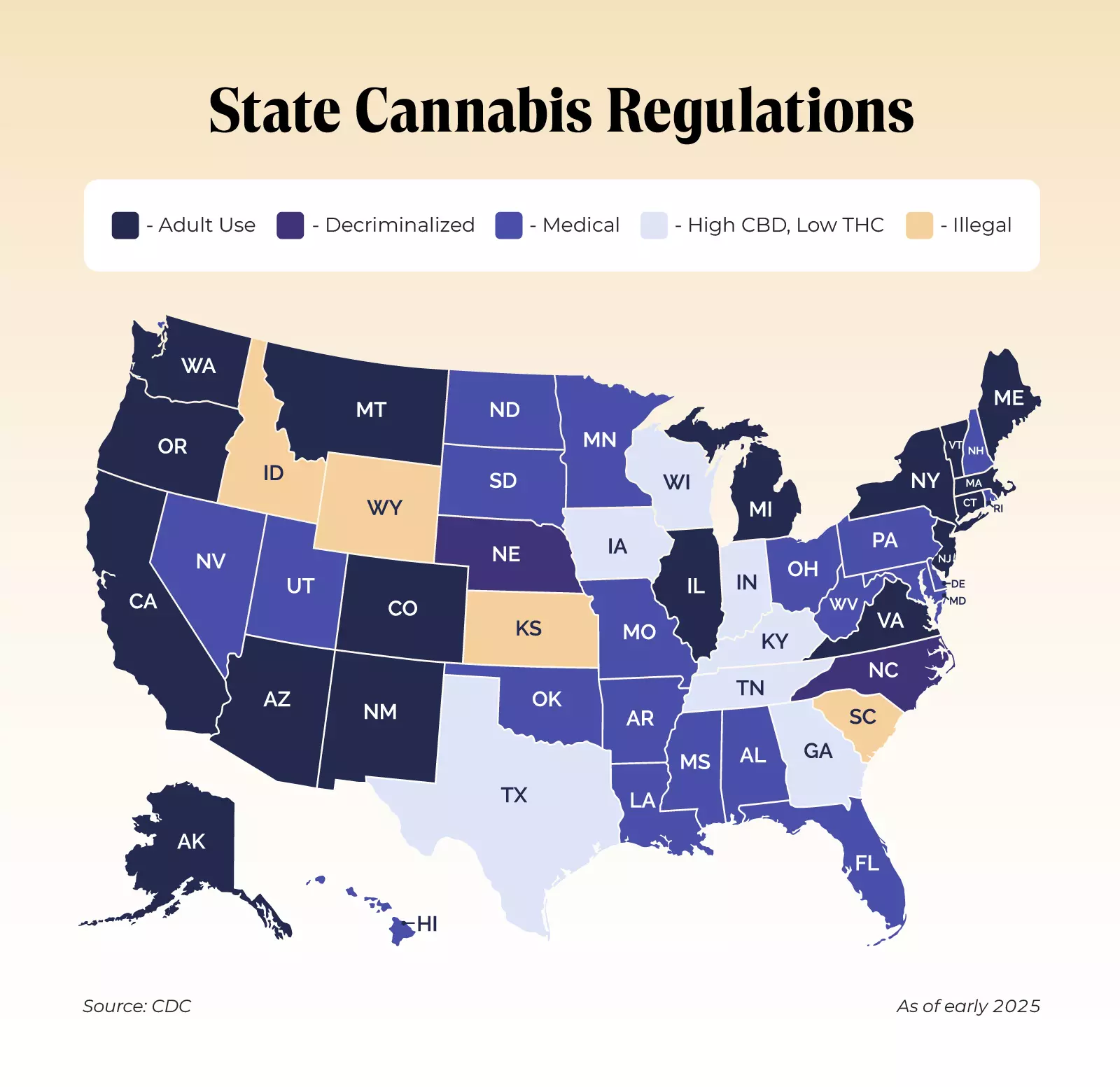
How state cannabis laws vary across the U.S.
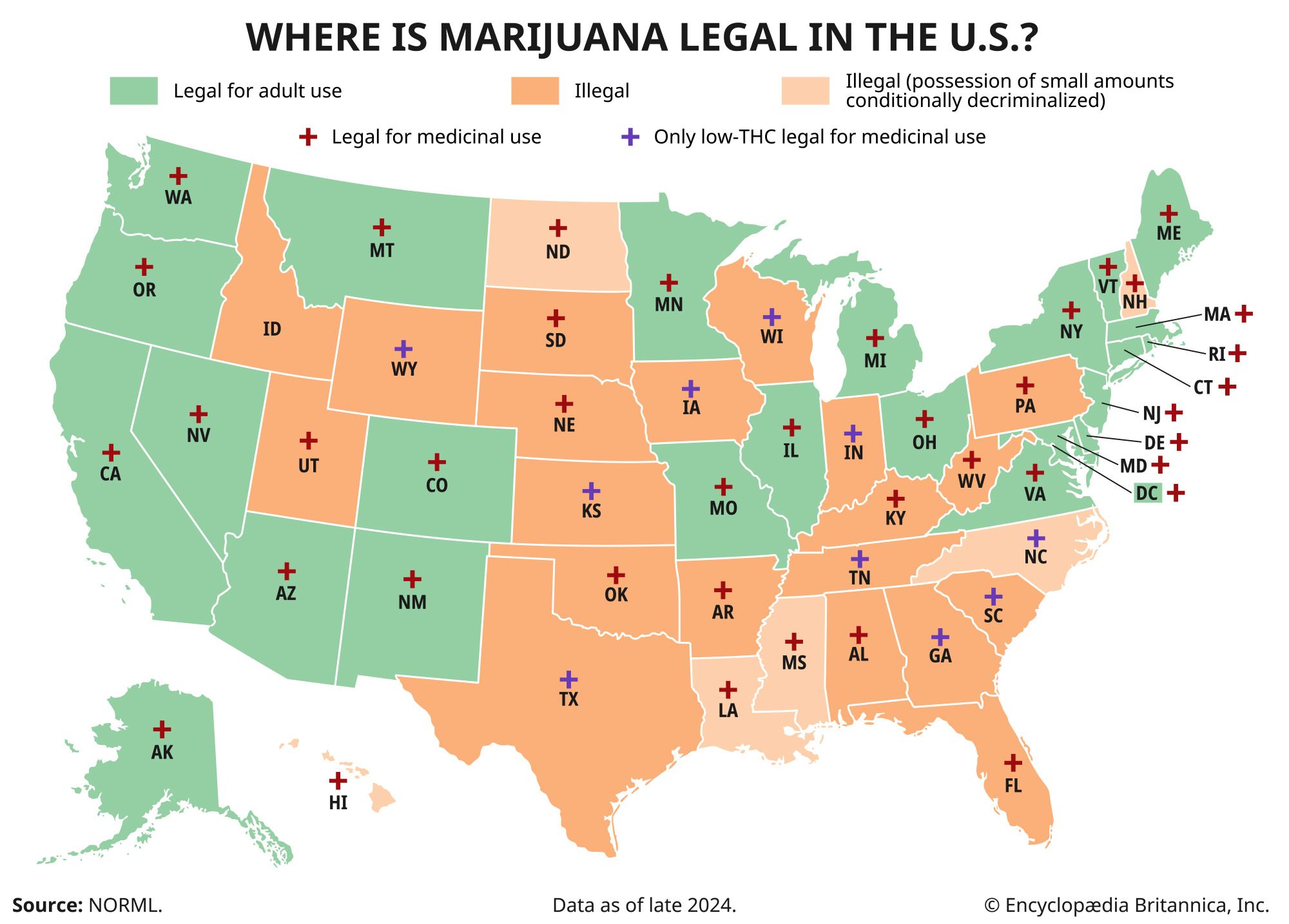
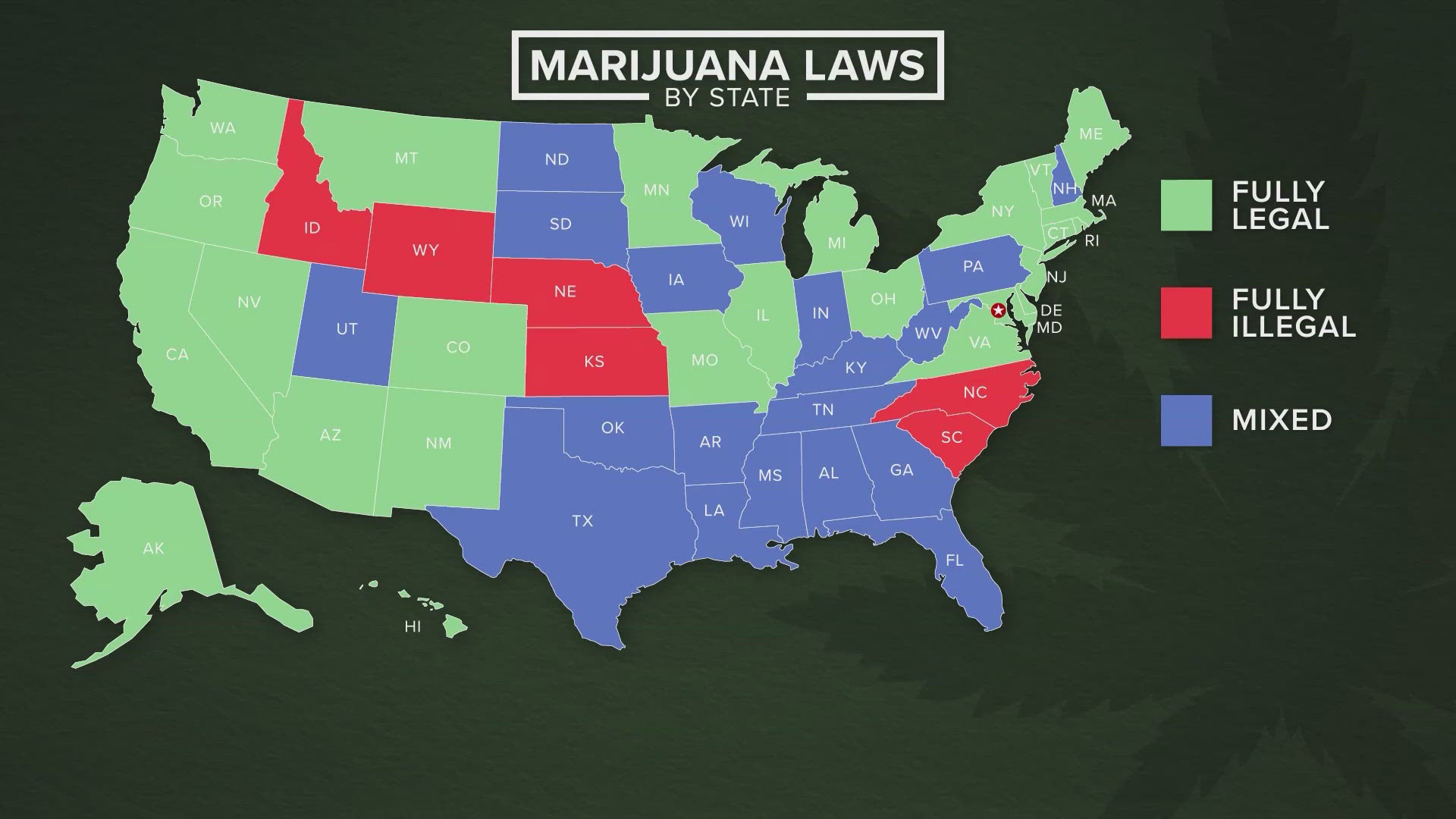
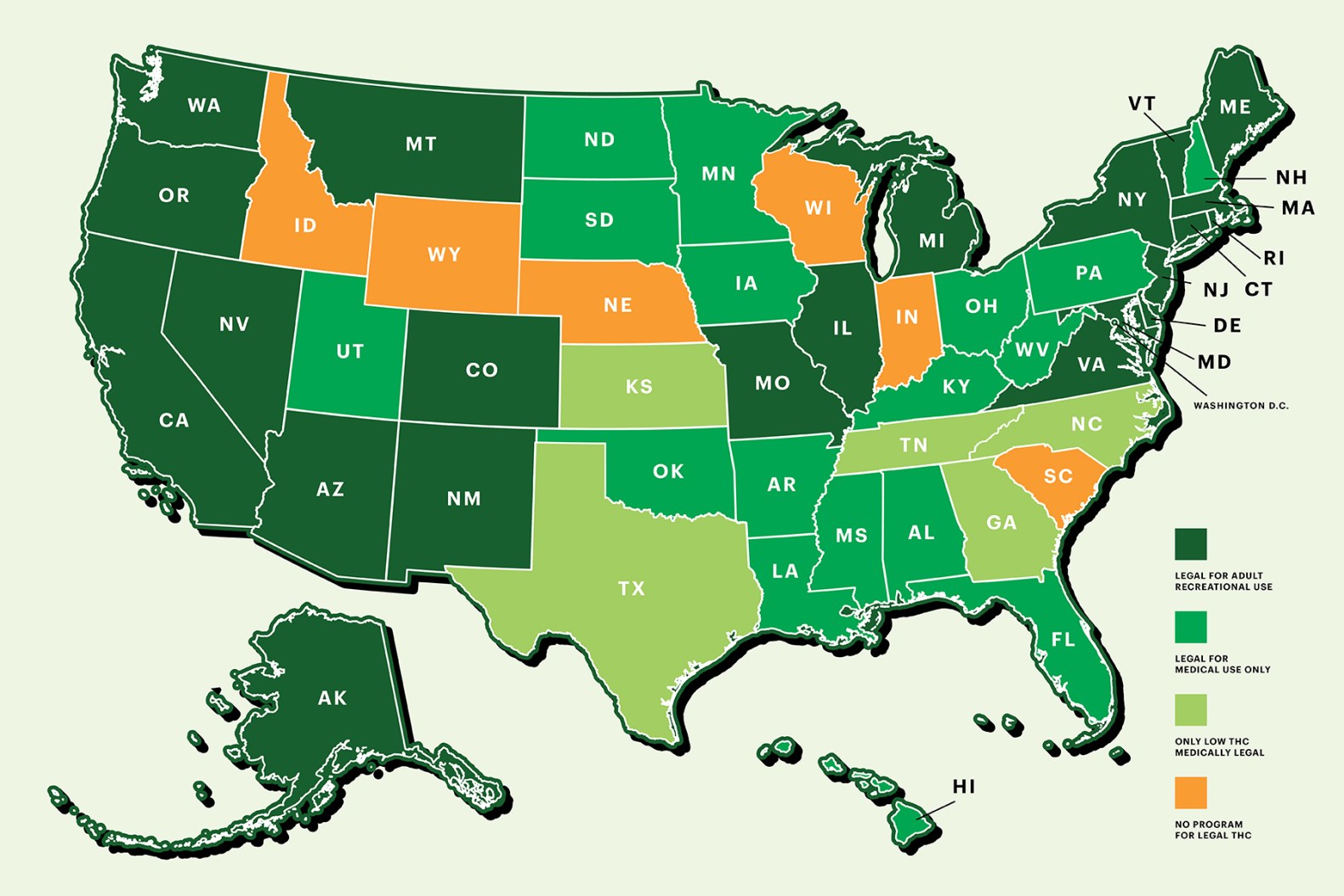
Federal law classifies cannabis as a Schedule I controlled substance, but individual states have charted their own paths. This divergence creates a complex patchwork where legality depends entirely on your location. Some states have fully legalized recreational and medical use, while others maintain strict prohibitions or limited medical-only programs.
Major Markets vs. Restrictive States
The gap between progressive and restrictive states is widening. In states like California and New York, the legal cannabis industry is mature, with extensive retail networks and robust tax structures. Conversely, states like Texas and Florida have historically resisted full recreational legalization, though some are expanding medical access for specific conditions.
Understanding these differences is critical for consumers and businesses alike. A product that is legal to purchase in one state may be illegal to transport across state lines, even if the destination state has legalized cannabis. Interstate commerce of cannabis remains prohibited under federal law.
Key Regulatory Differences
The table below highlights the primary distinctions between three representative states. These categories reflect general regulatory frameworks as of 2026 and are subject to change as legislation evolves.
| State | Recreational | Medical | Home Grow |
|---|---|---|---|
| California | Legal | Legal | Allowed (4 plants) |
| New York | Legal | Legal | Allowed (3 adult/3 plant) |
| Texas | Illegal | Limited (Low-THC) | Illegal |
| Florida | Illegal | Legal | Illegal |
These variations impact everything from tax rates to packaging requirements. Consumers should always verify local ordinances before purchasing or consuming cannabis. The legal landscape continues to shift, so staying informed through official state resources is the best way to ensure compliance.
How 2026 Laws Reshape Vaping and Portables
The 2026 regulatory landscape does not treat all cannabis products equally. While edible restrictions have dominated headlines, the rules governing portable vaporizers and vaping devices are shifting in ways that directly impact product availability and safety standards. For brands like Weed Almighty, this means navigating a patchwork of requirements that vary significantly by jurisdiction.
One of the most significant changes in 2026 involves stricter safety testing for hardware. States are increasingly requiring rigorous battery safety certifications and material purity tests for devices that come into contact with cannabis concentrates or dry herb. This is not just about preventing fires; it is about ensuring that no harmful byproducts leach into the vapor.
These new standards affect popular devices like the Mighty+. As a leading dry herb vaporizer, the Mighty+ must now comply with specific manufacturing and labeling requirements in states with mature cannabis markets. This includes clear disclosure of heating elements and battery specifications, ensuring consumers know exactly what they are inhaling.
The impact on device types is also noticeable. Regulations are pushing manufacturers toward more durable, repairable designs to reduce electronic waste, a growing concern for state legislators. This shift favors robust, high-quality portables over cheap, disposable alternatives, aligning with broader environmental goals in cannabis policy.
For consumers, this means that the devices available in 2026 will likely be safer and more transparently labeled than those from previous years. However, it also means that availability may fluctuate as manufacturers adjust to the new compliance requirements. Staying informed about state-specific rules is essential for both retailers and users.
As regulations continue to evolve, the focus remains on consumer safety and product integrity. The 2026 updates ensure that portable vaping devices meet higher standards, protecting users while maintaining the quality and consistency that Weed Almighty and other reputable brands strive to deliver.
Compliance checklist for consumers
Navigating the patchwork of state cannabis laws requires a moment of due diligence before you purchase or consume. While federal decriminalization debates continue, state-level enforcement varies significantly. Use this checklist to verify your local status, ensuring your activities align with current regulations in your jurisdiction.
Start by confirming whether cannabis is legal for medical or adult use in your state. Resources like the National Conference of State Legislatures (NCSL) provide up-to-date maps and summaries of state laws. Do not rely on federal status alone, as possession can still be a state-level offense in prohibited areas.
Most legal markets require consumers to be 21 years or older. Dispensaries will strictly enforce this with government-issued ID. Some states have medical programs for patients 18 and older with a valid recommendation. Ensure you have the correct documentation before attempting to purchase.
Each state sets specific limits on how much cannabis you can possess at one time. These limits often differ for flower, concentrates, and edibles. Exceeding these amounts, even within your own state, can lead to legal penalties. Check your state’s Department of Health or Cannabis Control Commission website for exact gram or ounce limits.
Laws regarding where you can consume cannabis are as important as possession limits. In most states, smoking or vaping in public spaces, parks, or on sidewalks is prohibited. Some states allow consumption in designated lounges or private residences. Violating public consumption laws can result in fines similar to public intoxication.
Transporting cannabis across state lines is a federal crime, regardless of the individual states’ laws. Even if you are traveling between two legal states, do not transport cannabis. This includes placing it in checked or carry-on luggage for flights, which are under federal jurisdiction.
Frequently asked questions about 2026 cannabis laws
Navigating the patchwork of state regulations requires checking official sources for the most current rules, as laws shift frequently. This section addresses common queries regarding legality, travel, and product safety.
No comments yet. Be the first to share your thoughts!