

Decoding the THC Spectrum
Cannabinoids are a complex group of compounds found in cannabis plants, and THC is arguably the most well-known. But it’s not as simple as just THC. It’s a family of molecules, each with slightly different structures and effects. We’re going to focus on three prominent members: Delta-9 THC, Delta-8 THC, and Delta-10 THC.
These aren't radically different substances, but the placement of a double bond within their molecular structure changes how they interact with your body. That seemingly small difference leads to variations in potency, effects, and—importantly—legal status. It’s a confusing landscape, and regulations are in constant flux.
This guide isn’t about declaring one THC type 'better' than another. Instead, we'll break down the key differences between Delta-9, Delta-8, and Delta-10 to help you navigate the world of cannabis products with more knowledge. This is marijuana education for the discerning cannabis connoisseur.
The legal situation is, frankly, a mess. Federal legality remains a major hurdle, while state laws vary wildly. We'll touch on these legal nuances as we go, but keep in mind that this information is subject to change. Always check your local regulations before purchasing or using any THC product.
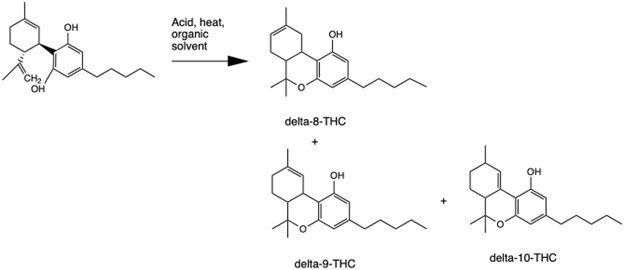
Delta-9 THC: The Classic Experience
Delta-9 THC is what most people think of when they hear "THC.’ It’s the primary psychoactive component in cannabis responsible for the classic ‘high.’ Effects typically include euphoria, altered perception, increased appetite (the infamous ‘munchies"), and relaxation. However, it's not always a purely positive experience.
For some, Delta-9 can induce anxiety, paranoia, or even panic attacks. These effects are influenced by dosage, individual tolerance, and the specific strain or product being used. It interacts strongly with the body’s endocannabinoid system, primarily binding to CB1 receptors in the brain and central nervous system.
Legally, Delta-9 THC remains federally illegal in the United States, classified as a Schedule I controlled substance. However, many states have legalized it for medical and/or recreational use. The specifics of these laws vary significantly, covering possession limits, sales regulations, and licensing requirements.
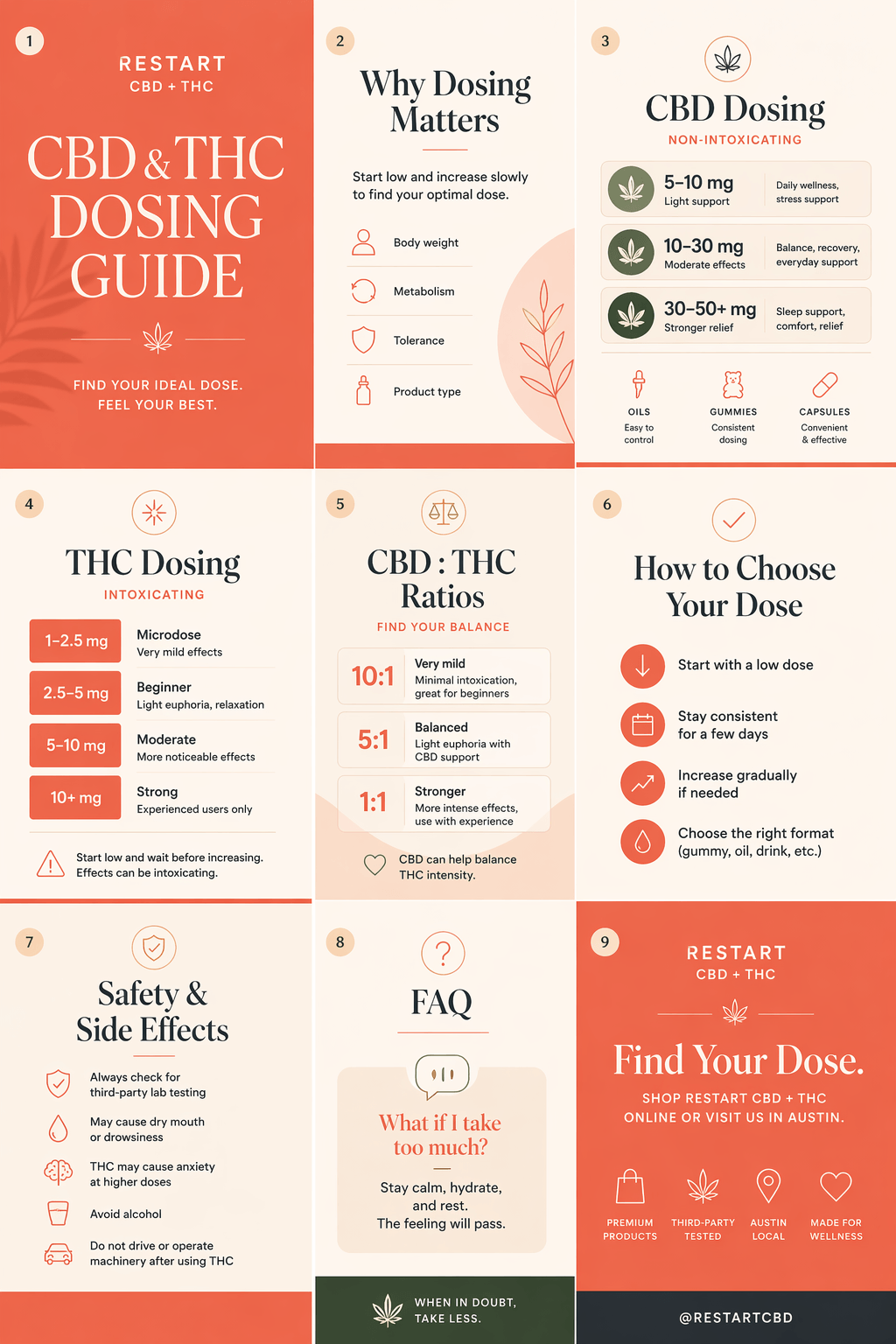
Common consumption methods include smoking cannabis flower, vaping concentrates or distillates, and ingesting edibles. The potency of Delta-9 products varies wildly. Flower can range from 15% to over 30% THC, while edibles can contain anywhere from 5mg to 100mg or more per serving. Start low and go slow, especially with edibles.
Delta-8 THC: The Milder Alternative
Delta-8 THC has gained popularity as a milder alternative to Delta-9. It’s often derived from CBD extracted from hemp, a process that involves isomerization – chemically converting CBD into Delta-8. This is a key point for legal considerations.
The effects of Delta-8 are generally less potent than Delta-9, often described as more relaxed and less likely to induce anxiety or paranoia. Users report a clearer-headed high with a body buzz. However, individual experiences vary, and it can still produce psychoactive effects.
Delta-8 binds to CB1 receptors, but with a lower affinity than Delta-9. This weaker binding is believed to contribute to its less intense effects. Some users find it allows them to enjoy the benefits of THC without the unwanted side effects.
The legal status of Delta-8 is a complex gray area. Because it can be derived from hemp (which was federally legalized with the 2018 Farm Bill), some argue it's legal federally. However, the DEA has issued interim rules suggesting that synthetically derived Delta-8 remains a controlled substance. State laws also differ, with some states explicitly banning Delta-8 while others allow it.
- Potency: Generally 50-70% as potent as Delta-9 THC
- Effects: Relaxing, less anxiety-inducing, clearer-headed
- Binding Affinity: Lower affinity for CB1 receptors
- Legal Status: Gray area, dependent on source and state laws
Delta-8, Delta-9, and Delta-10 THC Comparison (2026)
| THC Type | Potency | Anxiety Potential | Federal Legality | State Legality (as of late 2023/early 2024) | Common Effects |
|---|---|---|---|---|---|
| Delta-9 THC | High | Medium to High | Schedule I Controlled Substance | Varies significantly by state. Legal for recreational and/or medicinal use in many states, but illegal federally. | Euphoria, relaxation, altered perception, increased appetite. |
| Delta-8 THC | Medium to Low | Low to Medium | Legal gray area – derived from hemp, but federal legality is contested. | Varies by state, generally more widely available than Delta-9 in states where Delta-9 is restricted. Some states are beginning to ban or regulate it. | Mild euphoria, relaxation, pain relief, often described as less intense than Delta-9. |
| Delta-10 THC | Low to Medium | Low | Legal gray area – derived from hemp, similar federal status to Delta-8. | State legality is evolving, often mirroring Delta-8 regulations. Availability is generally lower than Delta-8 and Delta-9. | Uplifting, energetic, cerebral effects, less likely to induce sedation. |
| Combined Delta-8 & Delta-10 | Medium | Low to Medium | Legal gray area – dependent on source and state regulations. | State legality varies, often treated similarly to Delta-8. | Balanced effects, combining some of the relaxing qualities of Delta-8 with the energizing effects of Delta-10. |
| Delta-9 (Medical) | High | Medium | Schedule I Controlled Substance (federally), legal with medical card in many states | Legal in states with medical cannabis programs with a valid patient card. | Targeted symptom relief, pain management, appetite stimulation, and other therapeutic benefits as directed by a physician. |
| Delta-8 (Hemp-Derived) | Medium to Low | Low to Medium | Federal legality debated, often considered legal if derived from compliant hemp. | State laws are rapidly changing; check local regulations. | Milder psychoactive effects, potentially useful for those seeking relief without strong intoxication. |
Illustrative comparison based on the article research brief. Verify current pricing, limits, and product details in the official docs before relying on it.
Delta-10 THC: The Uplifting Buzz
Delta-10 THC is the least potent and least researched of the three THC types we're discussing. It’s often found in small amounts in cannabis plants and is typically derived from hemp using similar isomerization processes as Delta-8.
Users report that Delta-10 provides an uplifting, energetic, and cerebral high. It's often described as more stimulating than Delta-8, with a focus on creativity and sociability. It's important to note that anecdotal reports make up the bulk of the information available about Delta-10.
Like Delta-8, Delta-10 has a lower binding affinity for CB1 receptors than Delta-9. This contributes to its milder effects. However, scientific research on its effects is limited, and more studies are needed.
Delta-10 faces similar legal ambiguities as Delta-8, often falling into the same gray area depending on its source and state regulations. Due to the limited research, it's crucial to exercise caution and purchase products from reputable sources. I'm not sure about long-term effects at this time.
Product Spotlight: What's Available Now (2026)
The market for cannabis products containing Delta-8, Delta-9, and Delta-10 is rapidly evolving. As of late 2026, you can find these compounds in a wide range of product types, including vapes, gummies, tinctures, and even flower.
Looking at Dutchie.com (as of November 21, 2026), High Almighty in Franklin Township, NJ, carries 'Just a Woman Cannabis’ Delta-8 gummies, alongside options from &Shine, Anthem, and Bosky Labs. This provides a glimpse into the product diversity available in at least one legal market.
Delta-9 products are, of course, prevalent in states with legal cannabis. You’ll find a huge variety of flower strains, concentrates, and edibles. Delta-8 and Delta-10 products are often marketed as alternatives where Delta-9 is restricted. Expect to see pre-rolls infused with Delta-8 or Delta-10, as well as disposable vape pens.
Availability varies significantly by location. What’s legal and available in California will be different from what’s available in Texas. Always check your local laws before making a purchase. You’ll also find a growing number of brands experimenting with combinations of these THC types – for example, Delta-8 and Delta-9 blends.
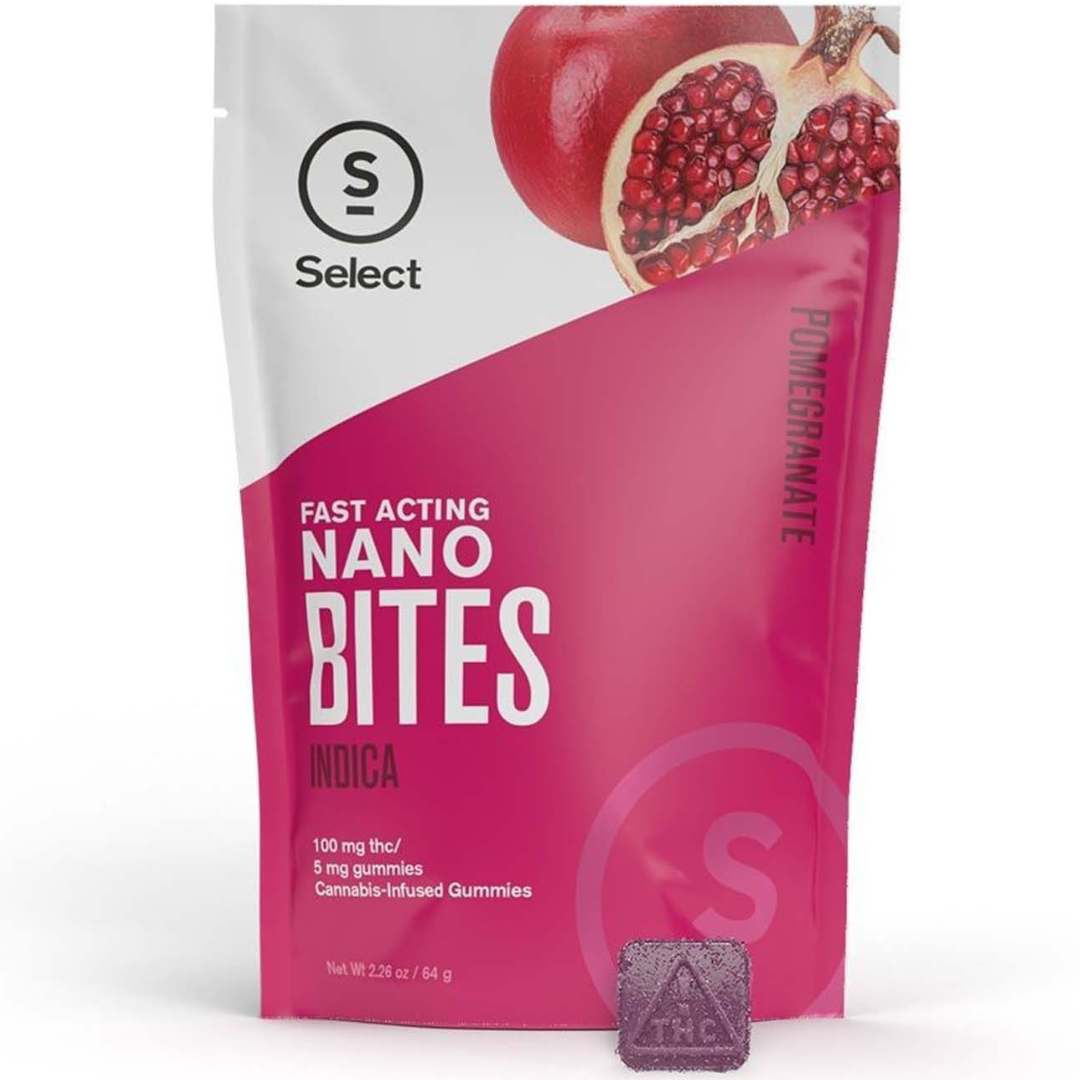
Tinctures offer a discreet and precisely dosed method of consumption. Gummies provide a convenient and palatable option, but be mindful of delayed onset and potential overconsumption. Vapes deliver a fast-acting experience, but it’s important to use high-quality hardware to minimize health risks.
Featured Products
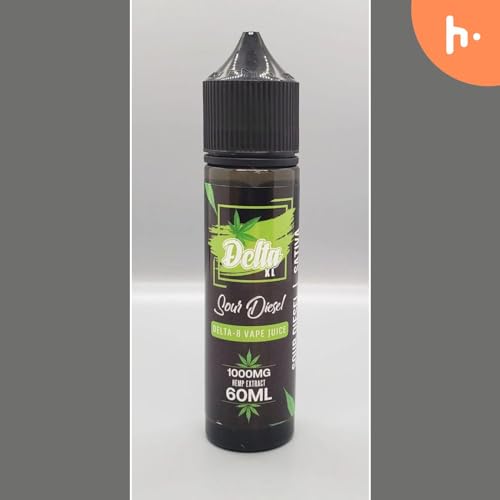
Contains 1 gram of Delta-8 THC distillate · Features a ceramic coil for consistent vapor production · Third-party lab tested for purity and potency
These highly-rated Delta-8 THC vape cartridges offer readers a convenient and accessible way to explore the effects of this popular cannabinoid, directly complementing the comparison guide.

Nicotine-free herbal inhaler · Contains natural ingredients like apple, thyme, and mullein · Designed for lung detox and cleanser support
This product offers a nicotine-free alternative for those seeking to quit smoking, providing a different type of inhaler experience that may appeal to some readers.
Contains 1 gram of high-potency Delta-8 THC distillate · Utilizes a CCELL ceramic cartridge for optimal performance · Manufactured in a GMP-certified facility
These highly-rated Delta-8 THC vape cartridges offer readers a convenient and accessible way to explore the effects of this popular cannabinoid, directly complementing the comparison guide.

Organic hemp seed oil with 600,000mg concentration · Natural berry flavor · THC-free, Non-GMO, Gluten-Free
This THC-free hemp oil provides a different product category within the hemp-derived market, focusing on wellness benefits like sleep and discomfort reduction.
As an Amazon Associate I earn from qualifying purchases. Prices may vary.
Testing & Safety: What to Look For
Third-party lab testing is absolutely essential for all three THC types. Because the industry is often unregulated, it’s crucial to verify the contents and purity of your products. Don’t trust products without a Certificate of Analysis (COA).
A COA should include a cannabinoid profile, listing the amounts of Delta-9, Delta-8, Delta-10, and other cannabinoids present. It should also include a terpene profile, which can provide insights into the product’s effects. Importantly, it should demonstrate contaminant testing for heavy metals, pesticides, and residual solvents.
The risks of unregulated products are significant. Contaminated products can pose serious health risks. Investing in tested products is an investment in your safety. Look for COAs that are readily available on the manufacturer’s website or at the point of sale.
When it comes to vaporizing, using quality hardware is paramount. Storz & Bickel, for example, is a trusted source for vaporizers. Their MIGHTY+ model is known for its precision temperature control and reliable performance, minimizing the risk of harmful byproducts. Using a well-made vaporizer can significantly improve your experience and reduce potential health concerns.
- Cannabinoid Profile: Verify the THC content.
- Terpene Profile: Understand the potential effects.
- Contaminant Testing: Ensure the product is free of harmful substances.
The Future of THC Regulations
The future of THC regulations is uncertain, but several trends are emerging. There’s growing momentum towards federal cannabis legalization, which could dramatically reshape the landscape. If Delta-9 THC were removed from Schedule I, it could impact the legal status of Delta-8 and Delta-10.
The Farm Bill, which is renewed periodically, also plays a crucial role. Changes to the Farm Bill could clarify or further complicate the legality of hemp-derived cannabinoids like Delta-8 and Delta-10. The ongoing debate centers around whether these compounds are truly 'hemp' products or synthetic derivatives.
It’s likely that we’ll see increased regulation at the state level, with more states adopting comprehensive cannabis laws. This could lead to stricter testing requirements, labeling standards, and age restrictions. However, the pace of change will likely vary significantly from state to state.

No comments yet. Be the first to share your thoughts!